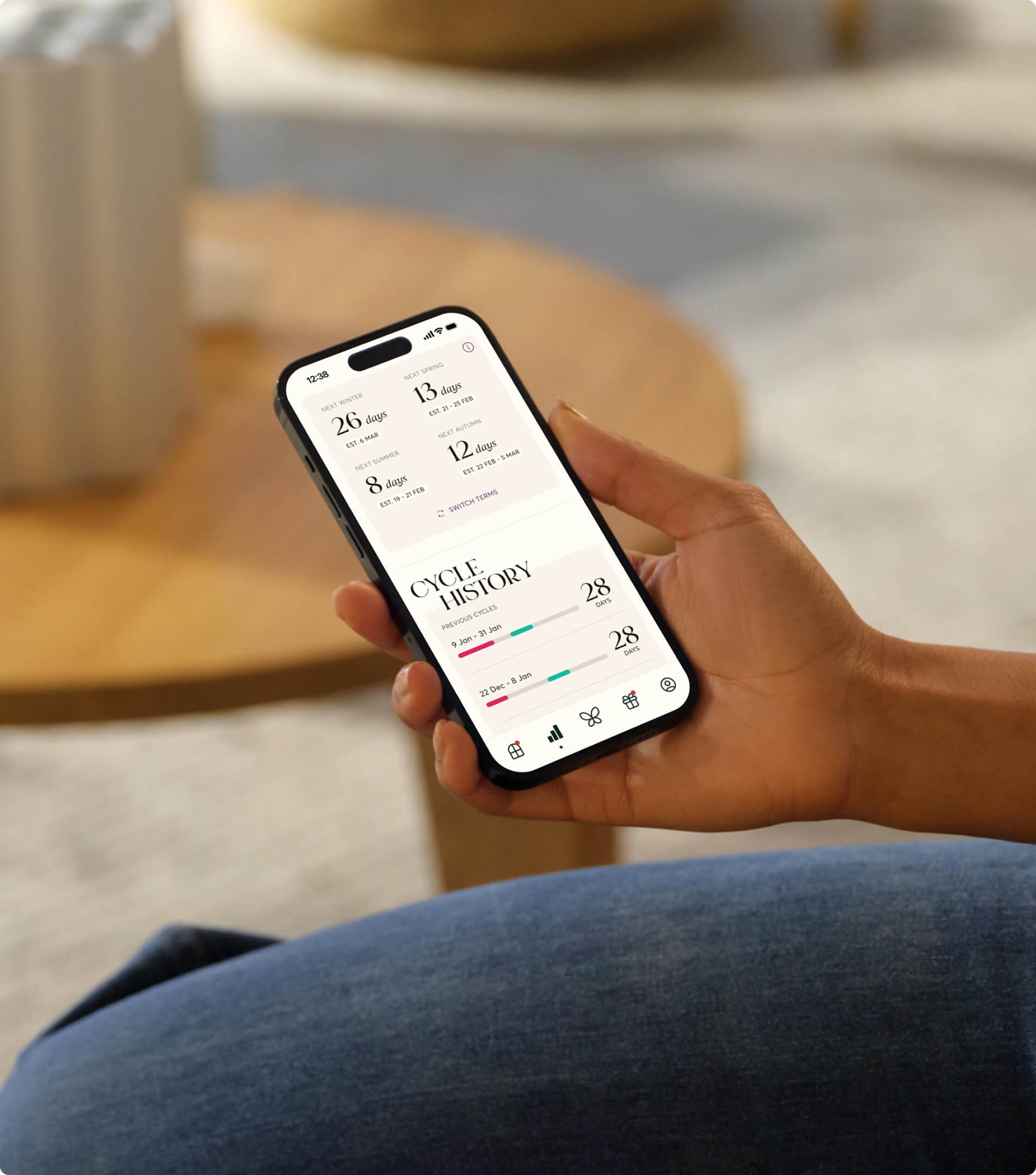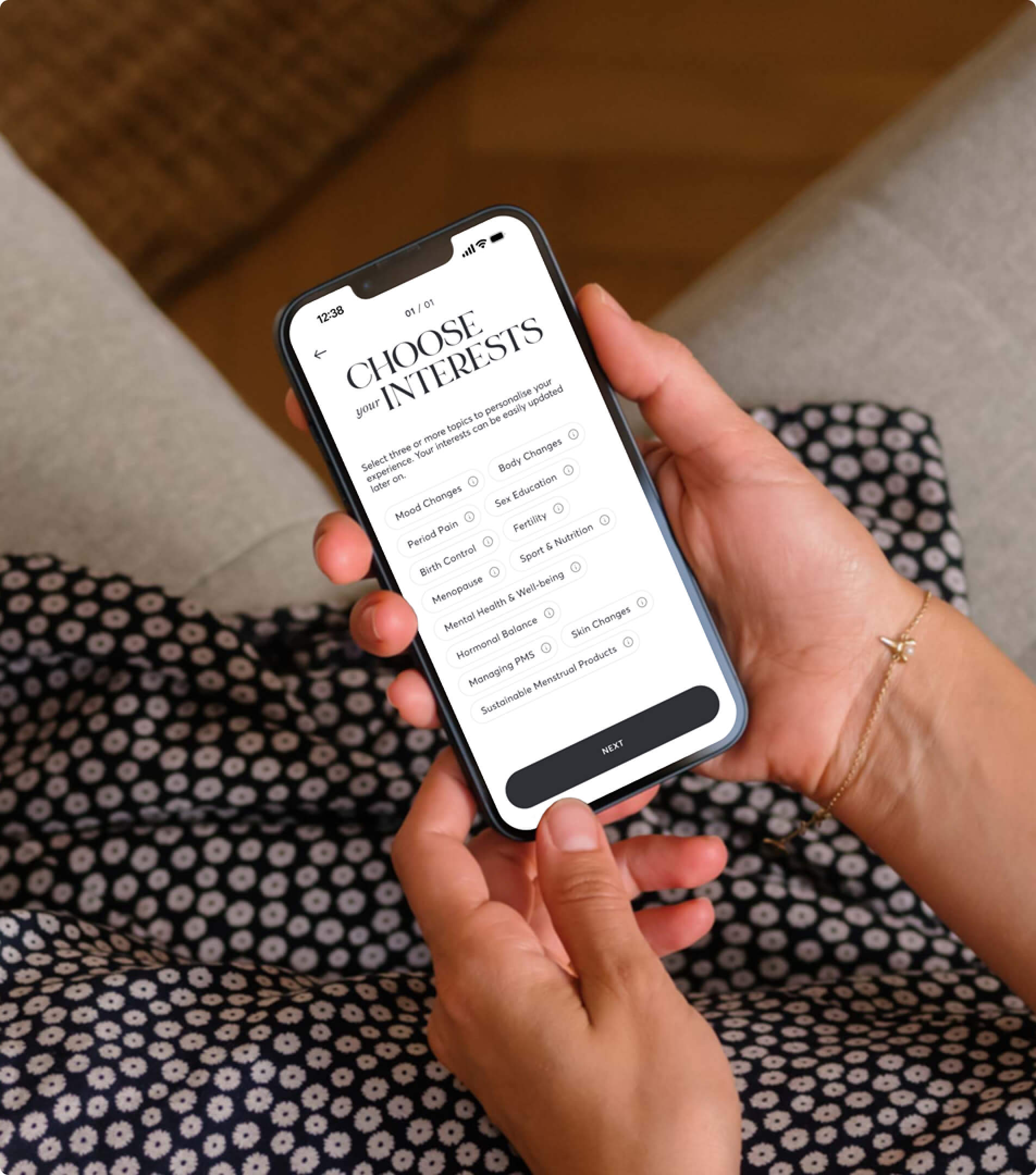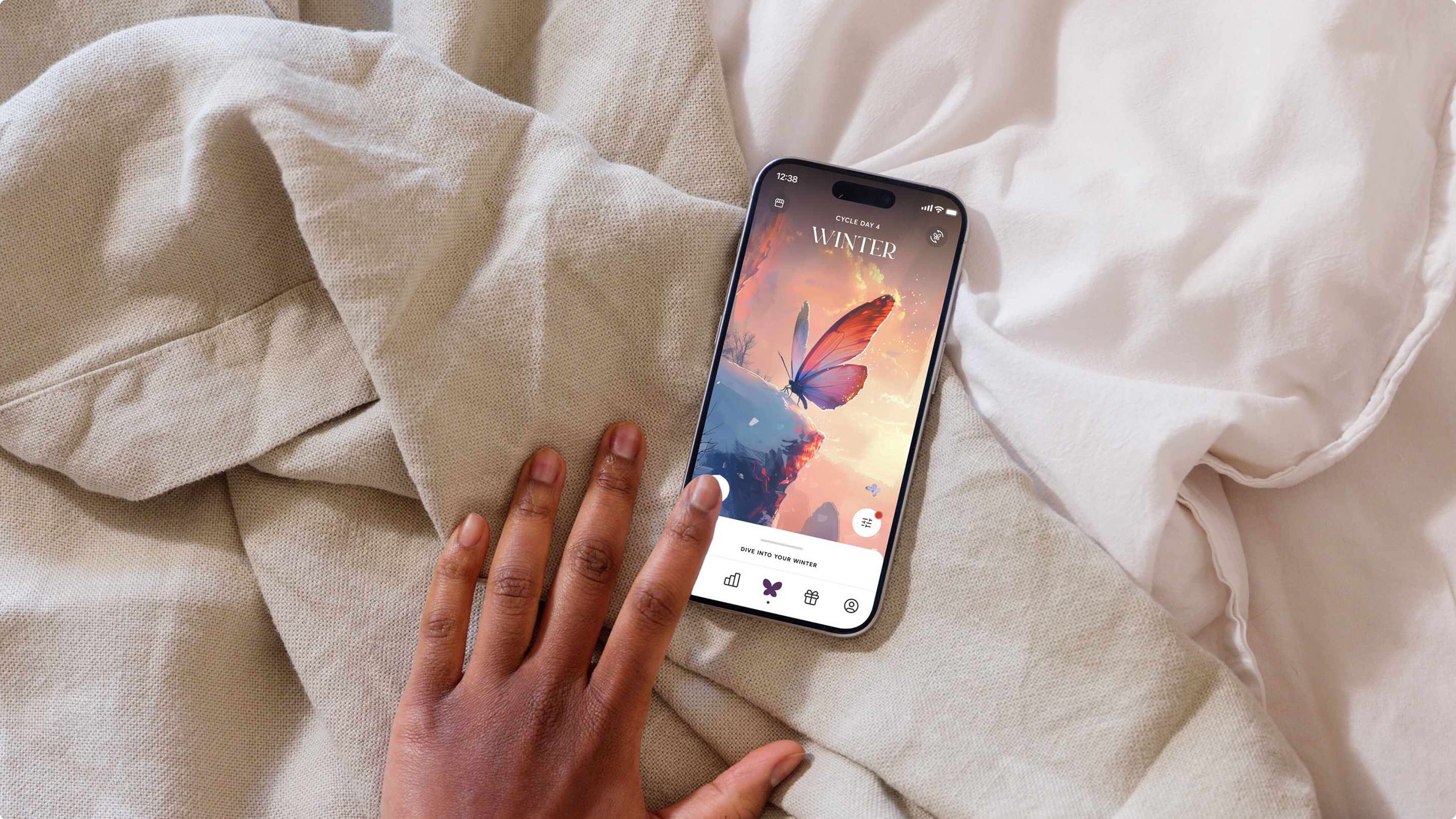
Hero image featuring the app on a phone device

28x

Mobile App

How I refined the UX of a women’s menstrual health app to deliver privacy-first, empowering experiences at scale

©

2024

Challenge: Addressing privacy & accessibility in menstrual health tracking

Menstrual health apps have long struggled with balancing user needs, privacy, and accessibility. Many existing solutions suffer from:

Lack of privacy protections – Users worry about their data being sold or misused.

Paywalls restricting access – Critical menstrual health education is often locked behind subscriptions.

One-size-fits-all design – Most apps fail to account for cultural sensitivity, age-appropriate content, or inclusivity in menstrual tracking.

Feature-first thinking without a clear mental model – Early concepts prioritised functionality over helping users understand their bodies in a coherent, trustworthy way.

28x aimed to be a privacy-first, free-to-use menstrual health app that would empower users with education and self-awareness without compromising their data or requiring subscriptions.

However, as a startup with limited UX foundations, initial designs were feature-driven rather than user-driven. The challenge was to introduce a UX structure, simplify complexity, and create a design that truly serves users, while ensuring compliance with medical accuracy and ethical guidelines.

Challenge: Addressing privacy & accessibility in menstrual health tracking

Menstrual health apps have long struggled with balancing user needs, privacy, and accessibility. Many existing solutions suffer from:

Lack of privacy protections – Users worry about their data being sold or misused.

Paywalls restricting access – Critical menstrual health education is often locked behind subscriptions.

One-size-fits-all design – Most apps fail to account for cultural sensitivity, age-appropriate content, or inclusivity in menstrual tracking.

Feature-first thinking without a clear mental model – Early concepts prioritised functionality over helping users understand their bodies in a coherent, trustworthy way.

28x aimed to be a privacy-first, free-to-use menstrual health app that would empower users with education and self-awareness without compromising their data or requiring subscriptions.

However, as a startup with limited UX foundations, initial designs were feature-driven rather than user-driven. The challenge was to introduce a UX structure, simplify complexity, and create a design that truly serves users, while ensuring compliance with medical accuracy and ethical guidelines.
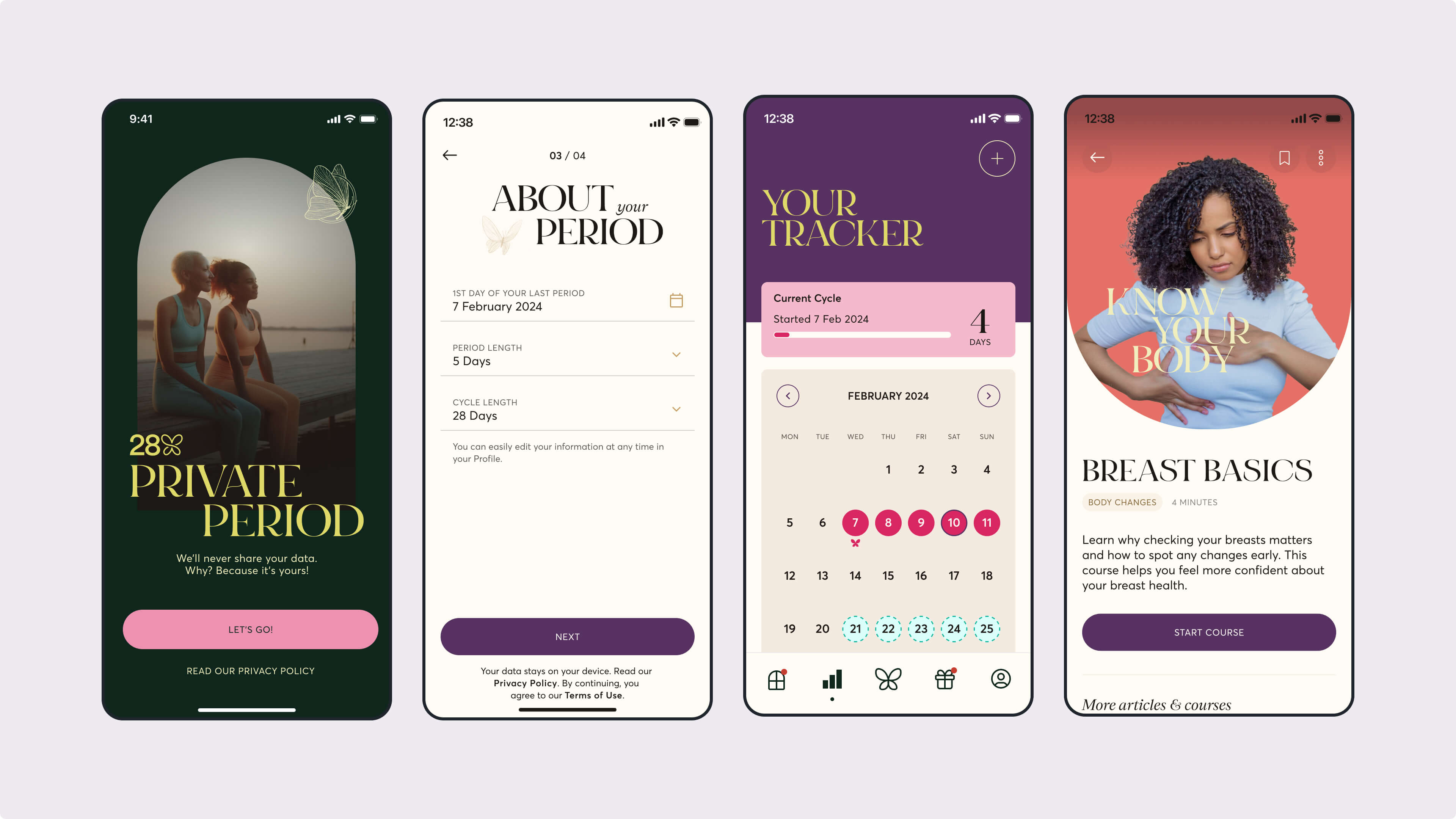
Role & Approach: Applying UX best practices to a vision-led startup

I was responsible for shaping the end-to-end app experience, ensuring usability, clarity, and privacy-first design. My contributions included:

I was responsible for shaping the end-to-end app experience, ensuring usability, clarity, and privacy-first design. My contributions included:

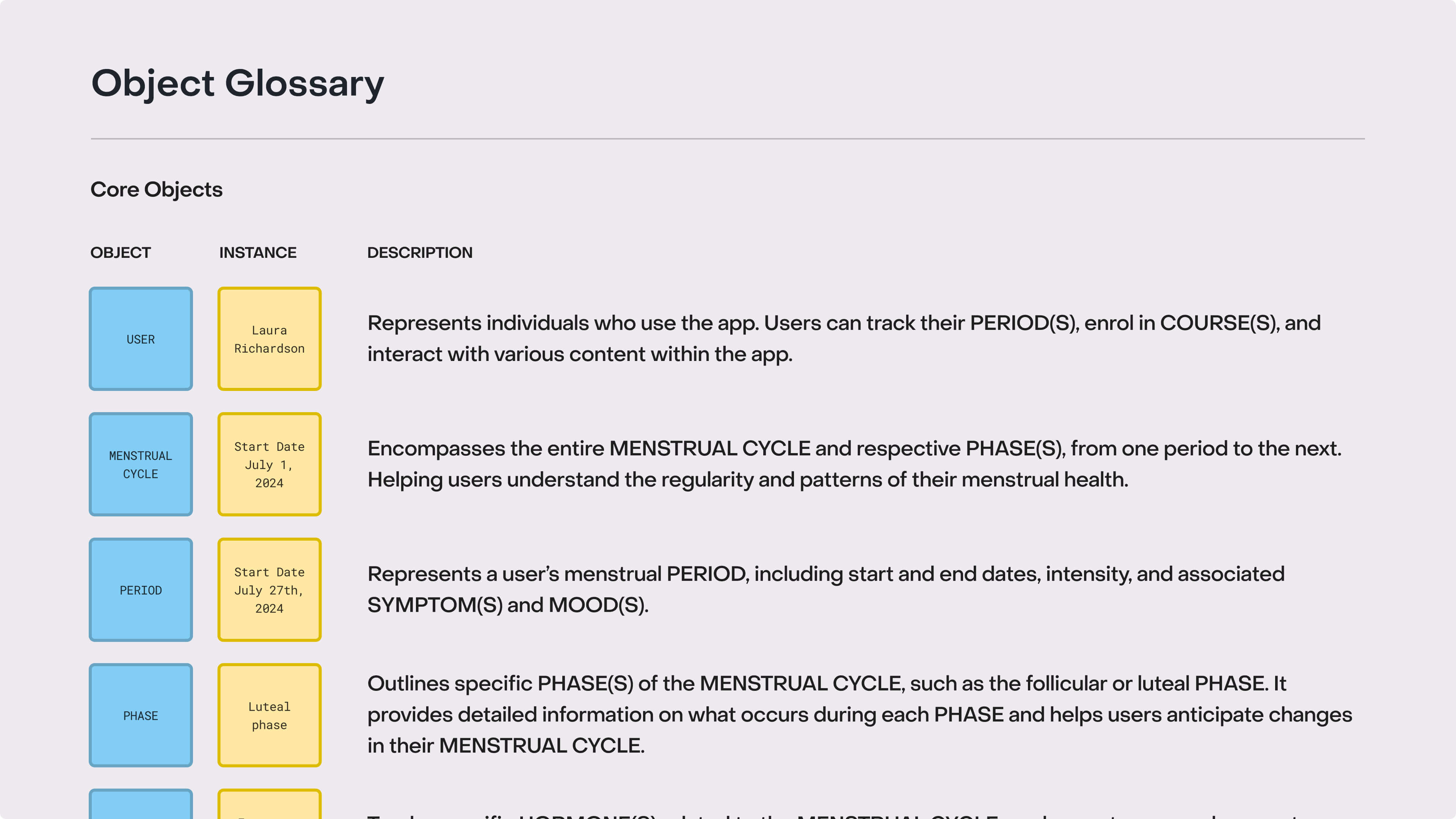
Defining the app’s core structure – Using Object-Oriented UX (OOUX) to identify and map key content and interactions.

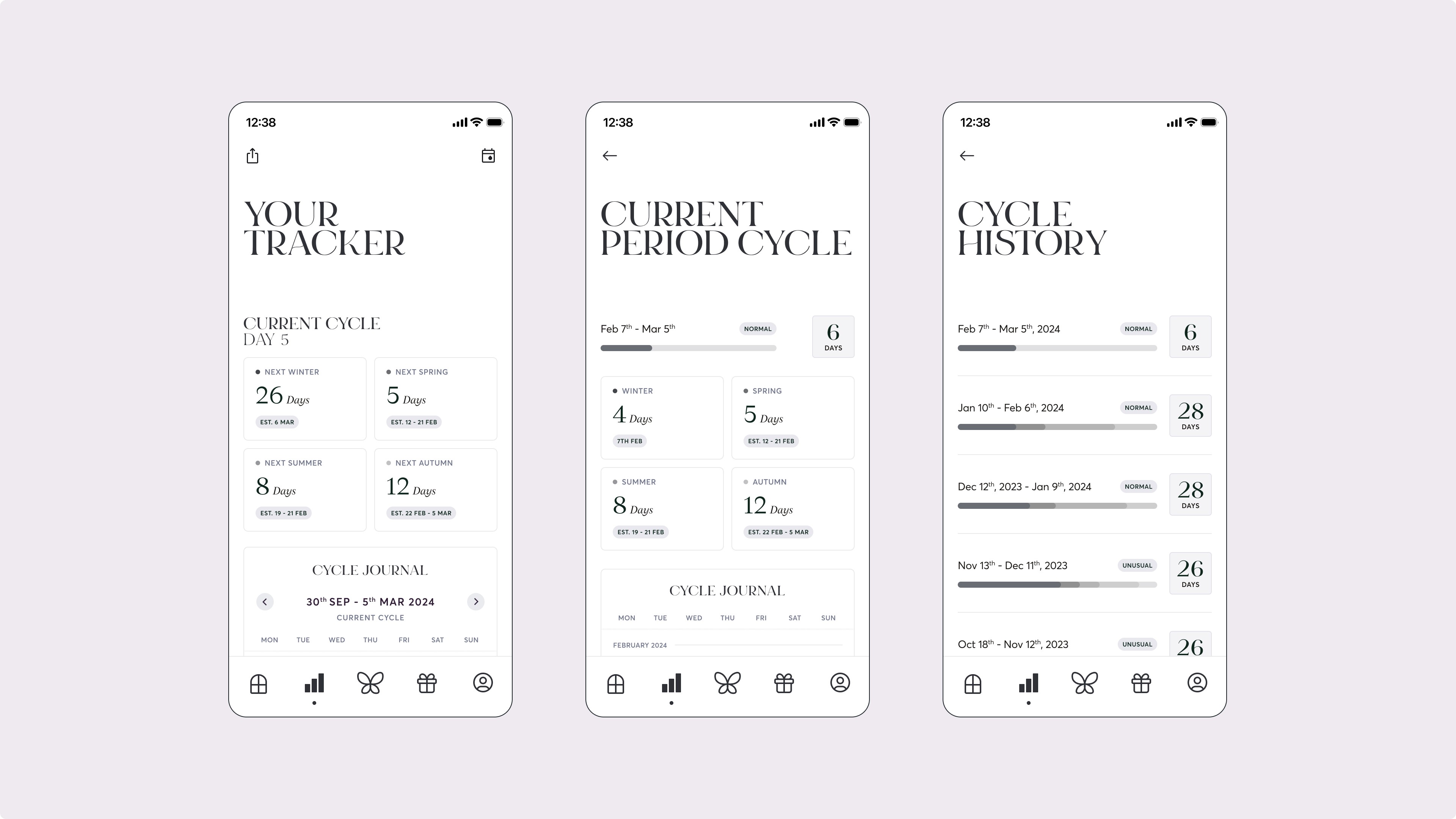
Designing wireframes & interaction flows – Ensuring the experience was intuitive, supportive, and empowering.

Facilitating privacy-focused design – Creating a user experience that aligned with the founder’s vision of zero data collection and no server storage.

Collaborating with the founder & clinical review team – Ensuring the app adhered to medical accuracy and addressed underserved menstrual health needs.

Conducting informal guerrilla usability testing – Validating core interactions and the emotional response to the app’s structure and messaging.

Given the sensitive nature of menstrual health, my approach centred on designing an experience that felt safe, non-judgmental, and highly usable, while maintaining a strong ethical stance on privacy.

Given the sensitive nature of menstrual health, my approach centred on designing an experience that felt safe, non-judgmental, and highly usable, while maintaining a strong ethical stance on privacy.

Role & Approach: Applying UX best practices to a vision-led startup

I was responsible for shaping the end-to-end app experience, ensuring usability, clarity, and privacy-first design. My contributions included:

Defining the app’s core structure – Using Object-Oriented UX (OOUX) to identify and map key content and interactions.

Designing wireframes & interaction flows – Ensuring the experience was intuitive, supportive, and empowering.

Facilitating privacy-focused design – Creating a user experience that aligned with the founder’s vision of zero data collection and no server storage.

Collaborating with the founder & clinical review team – Ensuring the app adhered to medical accuracy and addressed underserved menstrual health needs.

Conducting informal guerrilla usability testing – Validating core interactions and the emotional response to the app’s structure and messaging.

Given the sensitive nature of menstrual health, my approach centred on designing an experience that felt safe, non-judgmental, and highly usable, while maintaining a strong ethical stance on privacy.

Key Insights & Decisions: Designing for trust & accessibility

Through my work on 28x, several key UX insights emerged:

Through my work on 28x, several key UX insights emerged:

Users were highly sceptical of “privacy-first” claims – Given the history of data leaks in health tech, users needed transparent explanations on how 28x protects their data.

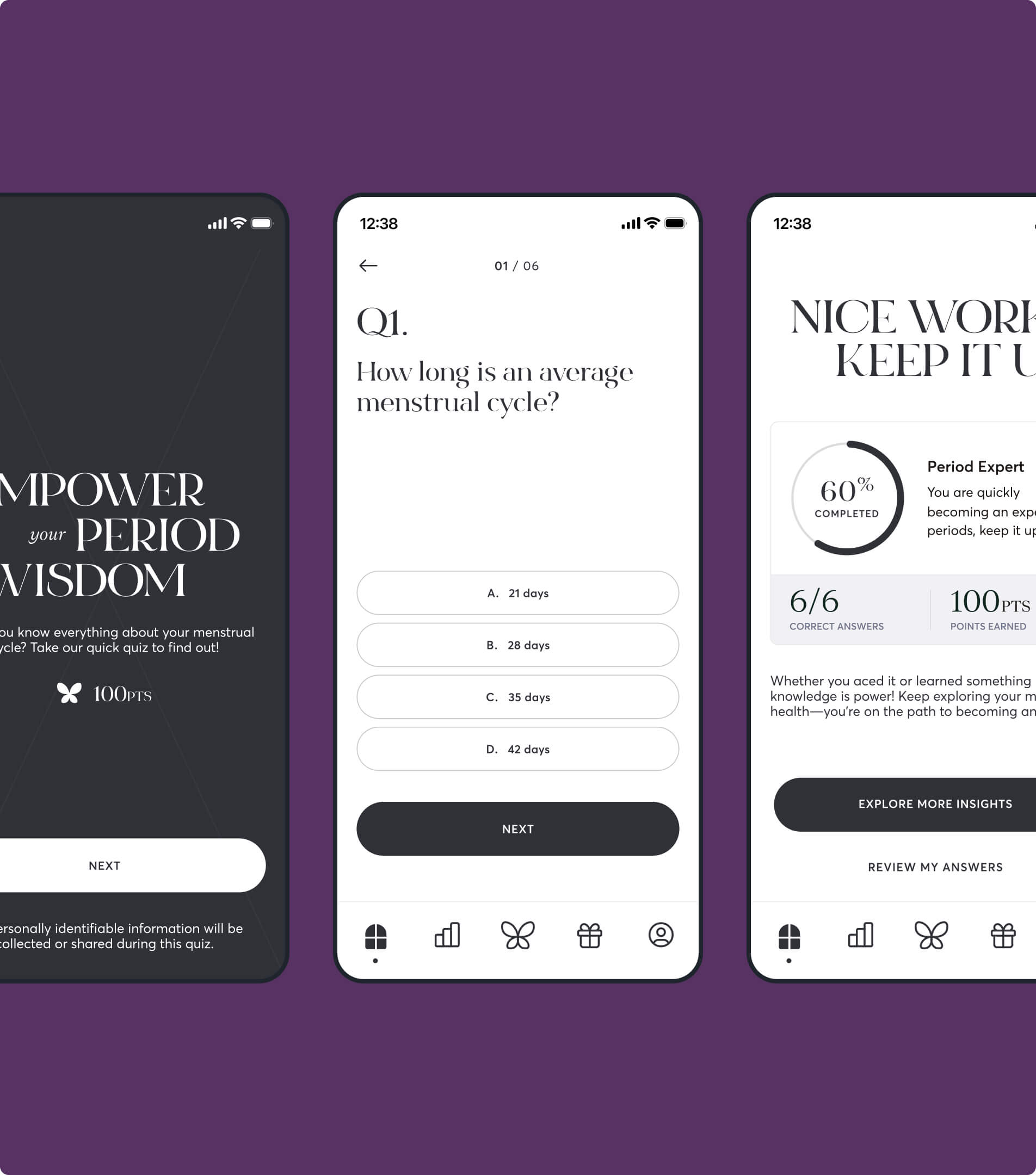
A guided, educational experience was crucial – Many users were unaware of key menstrual health concepts, reinforcing the need for bite-sized, supportive learning moments throughout the app.

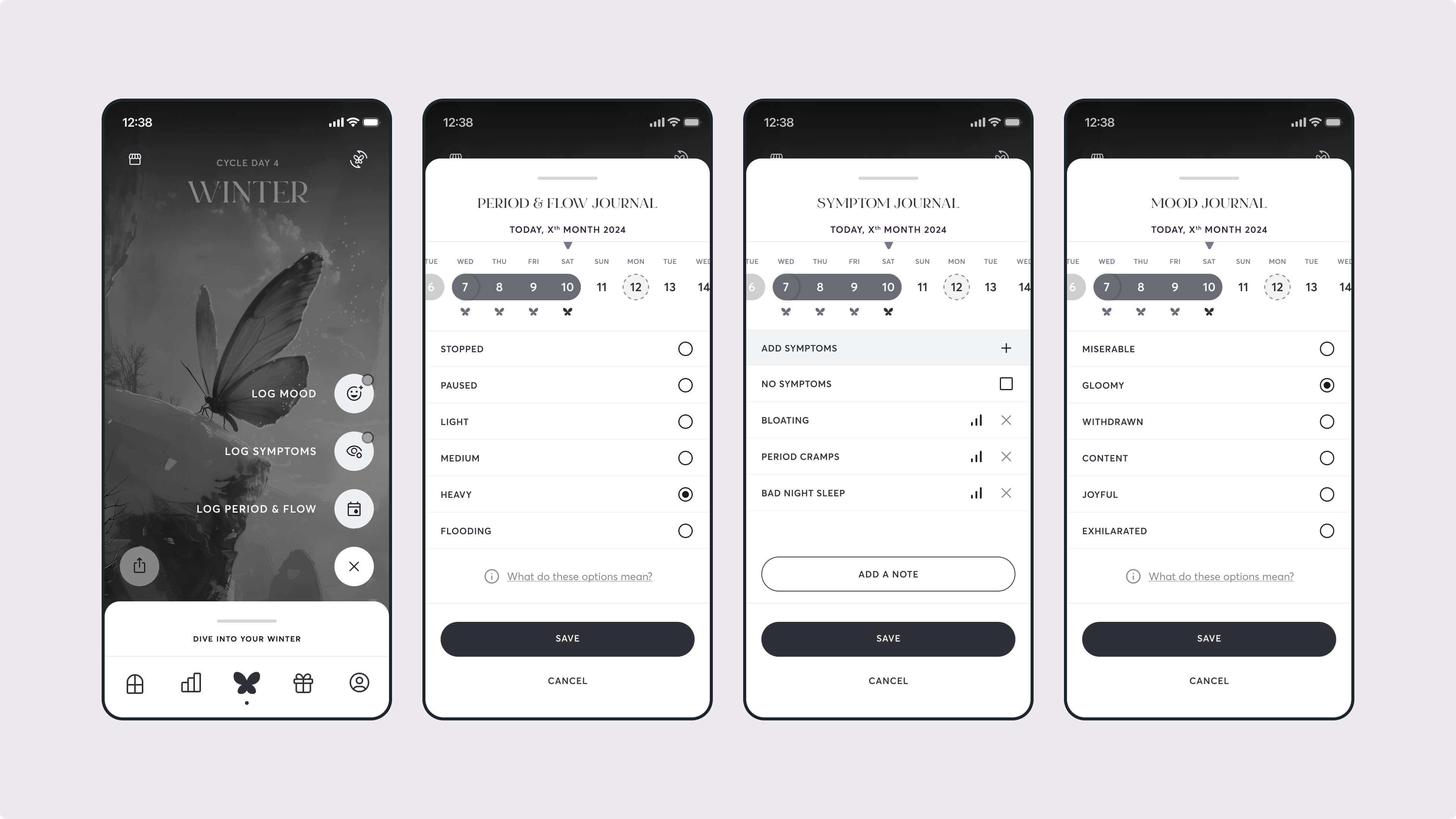
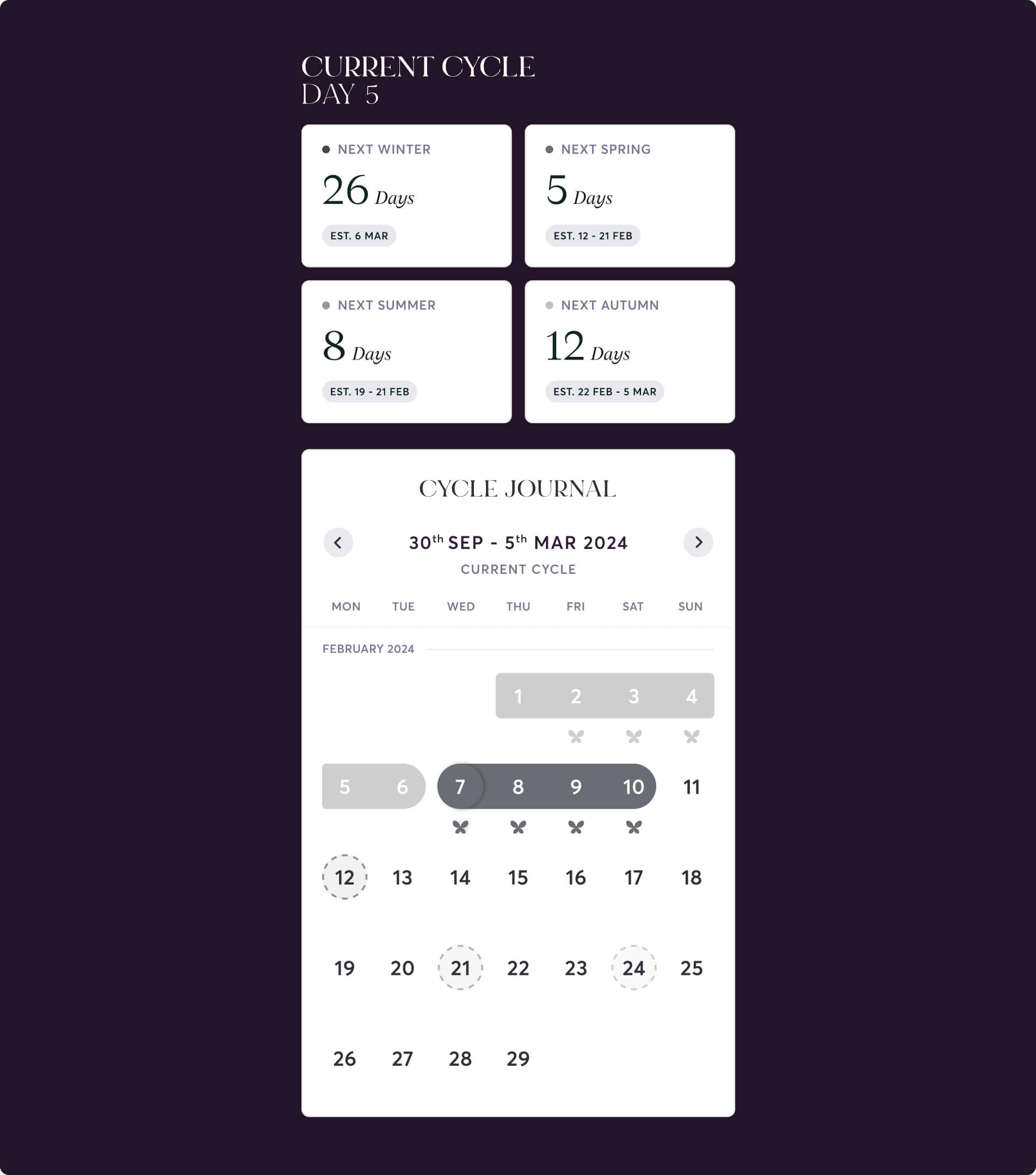
Tracking moods, symptoms & cycle phases needed to feel intuitive – Users preferred quick, seamless inputs with clear visual feedback, leading to an elegant logging experience inspired by behavioural psychology principles.

Cultural sensitivity and inclusive design mattered – Users from different backgrounds had varying levels of comfort with tracking and terminology, requiring flexible content and UI adaptations.

Navigating Trade-Offs & Constraints:

Navigating Trade-Offs & Constraints:

Research limitations – While I conducted early usability testing, no formal user research was conducted before design began, so UX recommendations had to be grounded in industry best practices and stakeholder feedback.

Feature prioritisation – With limited resources, I had to balance the founder’s vision with practical design execution, ensuring the most critical features were well-structured first.

Avoiding feature bloat – The founder had ambitious goals, but I advocated for a lean, well-scoped MVP to ensure usability wasn’t compromised.

Key Insights & Decisions: Designing for trust & accessibility

Through my work on 28x, several key UX insights emerged:

Users were highly sceptical of “privacy-first” claims – Given the history of data leaks in health tech, users needed transparent explanations on how 28x protects their data.

A guided, educational experience was crucial – Many users were unaware of key menstrual health concepts, reinforcing the need for bite-sized, supportive learning moments throughout the app.

Tracking moods, symptoms & cycle phases needed to feel intuitive – Users preferred quick, seamless inputs with clear visual feedback, leading to an elegant logging experience inspired by behavioural psychology principles.

Cultural sensitivity and inclusive design mattered – Users from different backgrounds had varying levels of comfort with tracking and terminology, requiring flexible content and UI adaptations.

Navigating Trade-Offs & Constraints:

Research limitations – While I conducted early usability testing, no formal user research was conducted before design began, so UX recommendations had to be grounded in industry best practices and stakeholder feedback.

Feature prioritisation – With limited resources, I had to balance the founder’s vision with practical design execution, ensuring the most critical features were well-structured first.

Avoiding feature bloat – The founder had ambitious goals, but I advocated for a lean, well-scoped MVP to ensure usability wasn’t compromised.

Solution: A privacy-first menstrual health experience

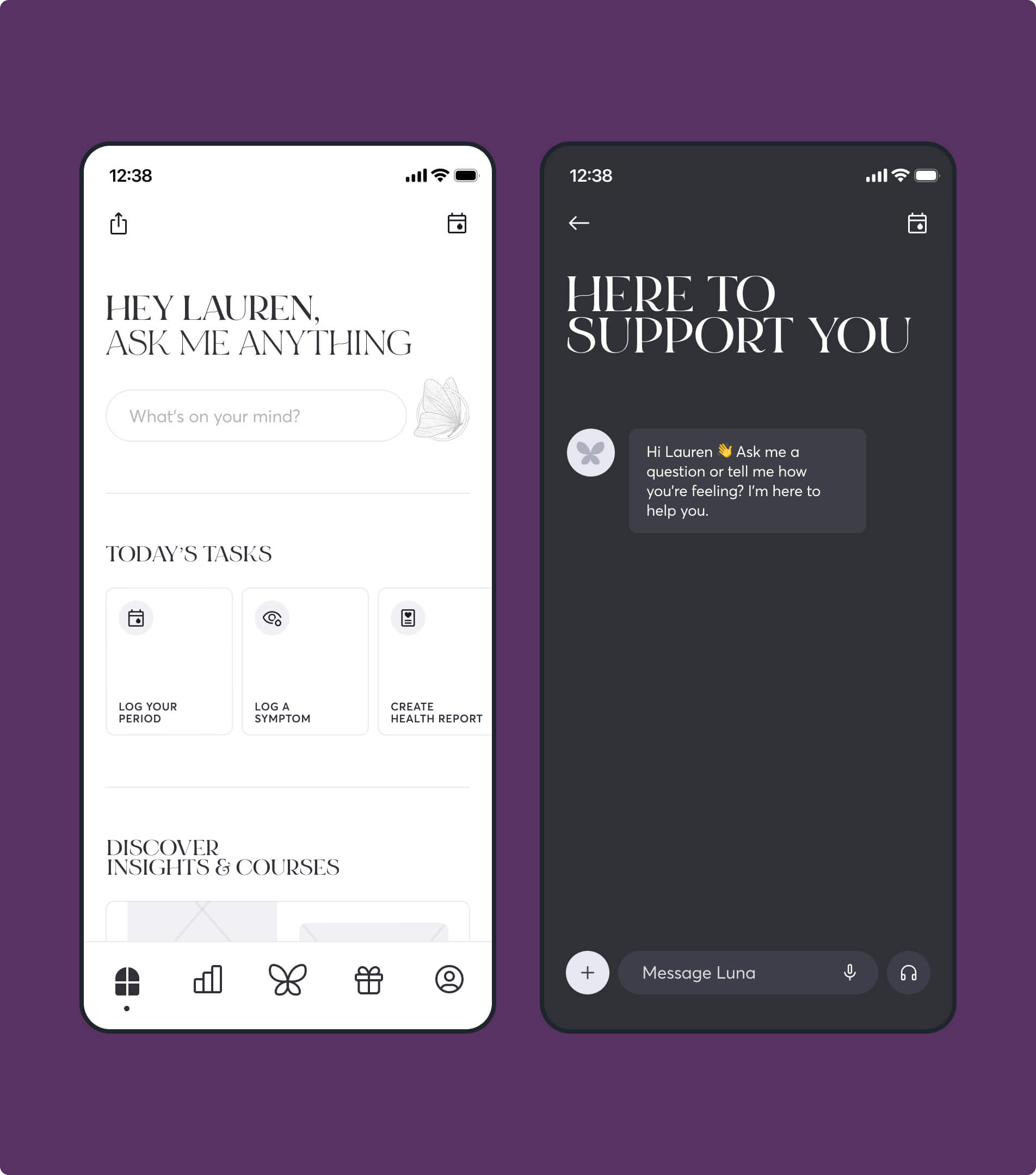
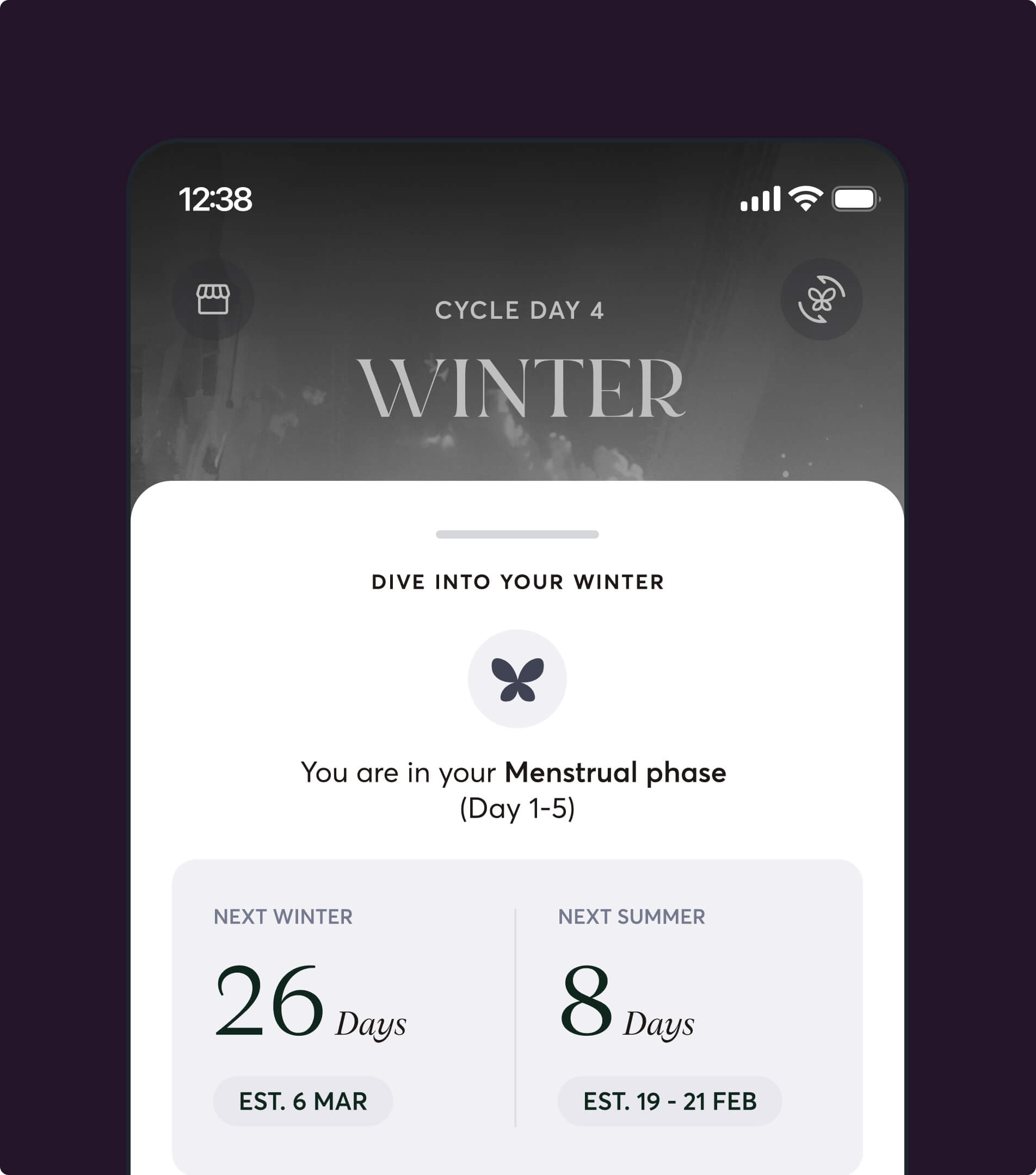
Simplified Tracking & Logging – Users could easily track their mood, flow, and symptoms, with supportive educational insights integrated seamlessly.

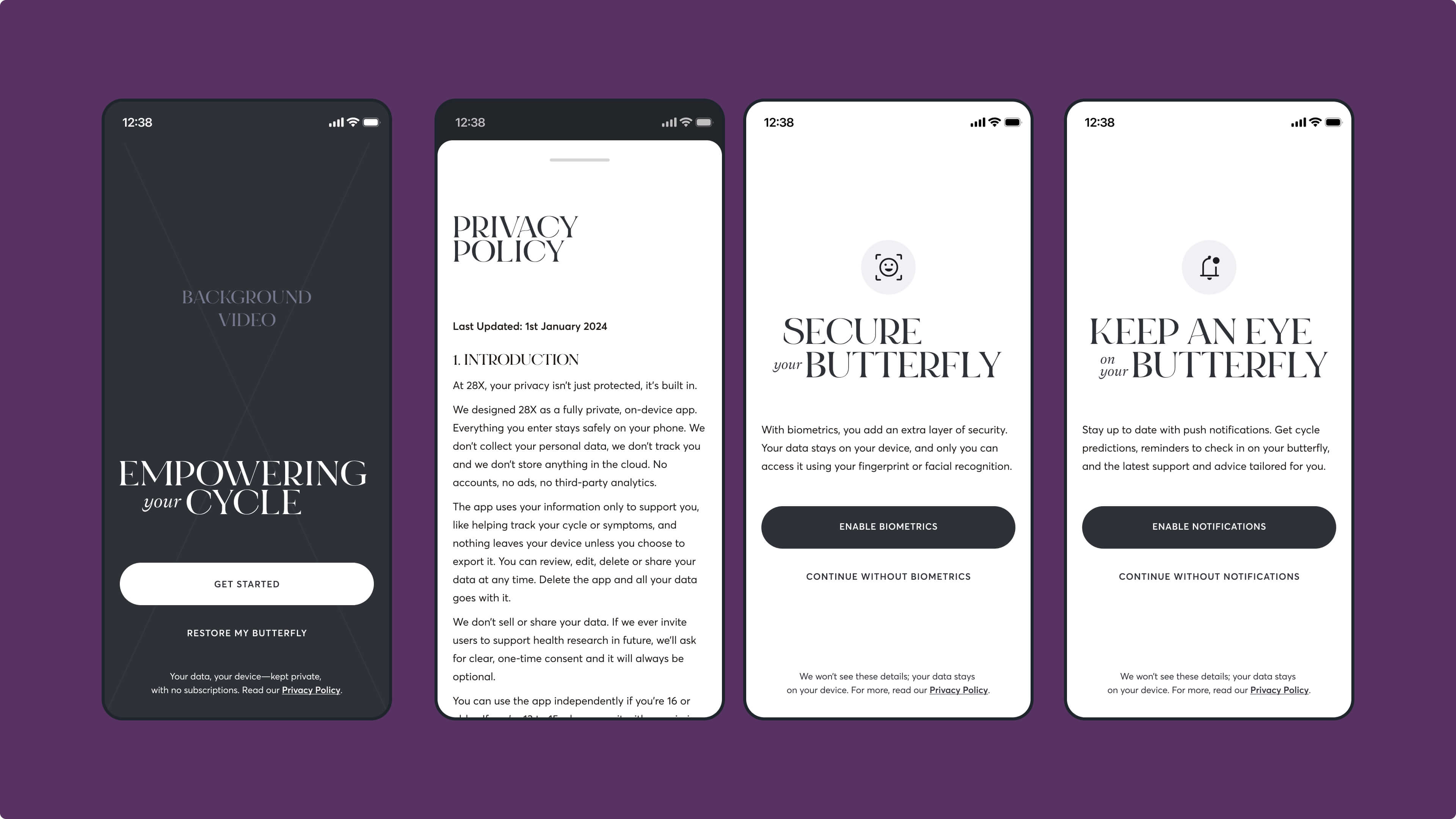
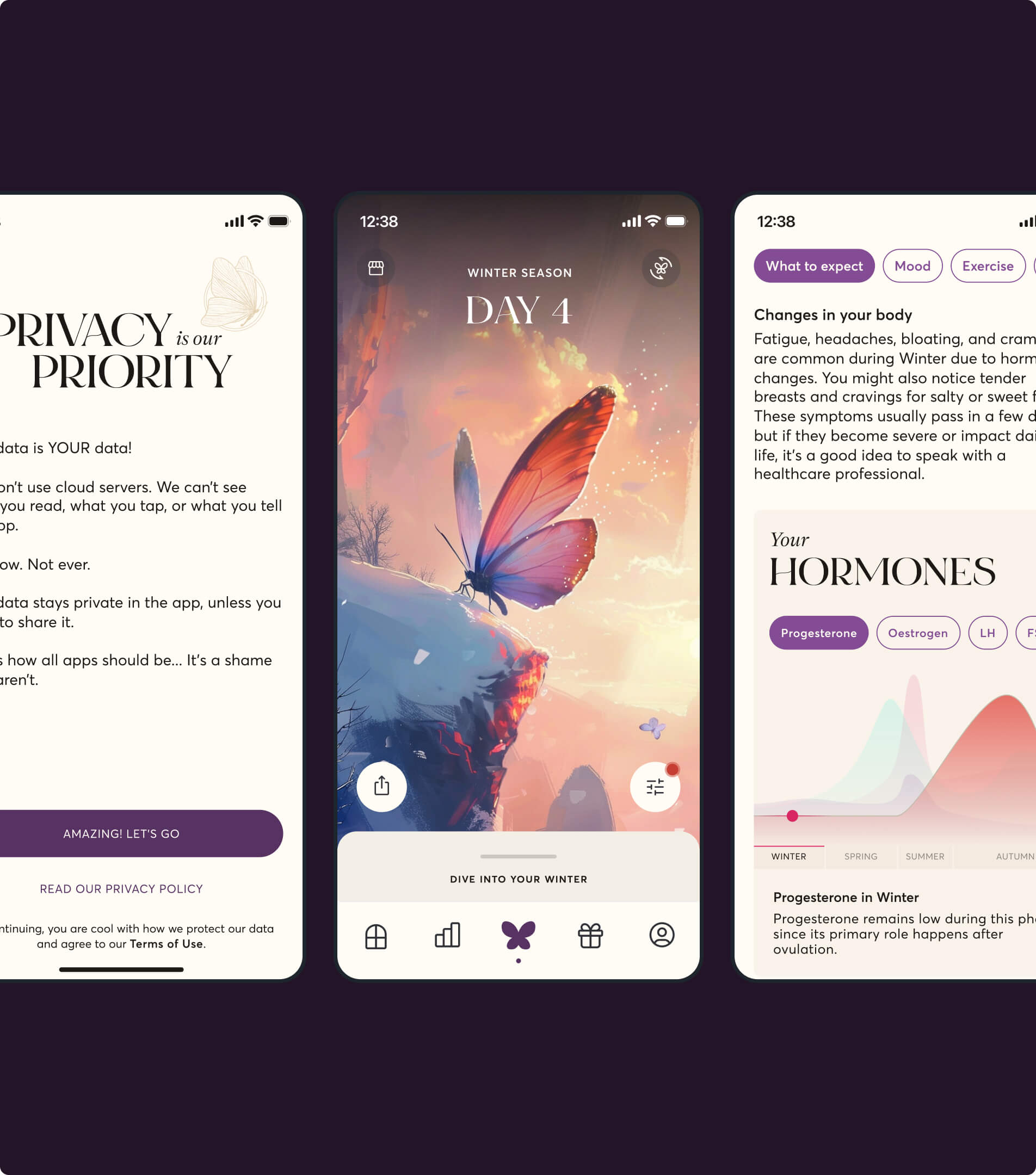
A Data-Safe, Zero-Storage Model – No personal data was stored on servers, ensuring absolute user privacy.

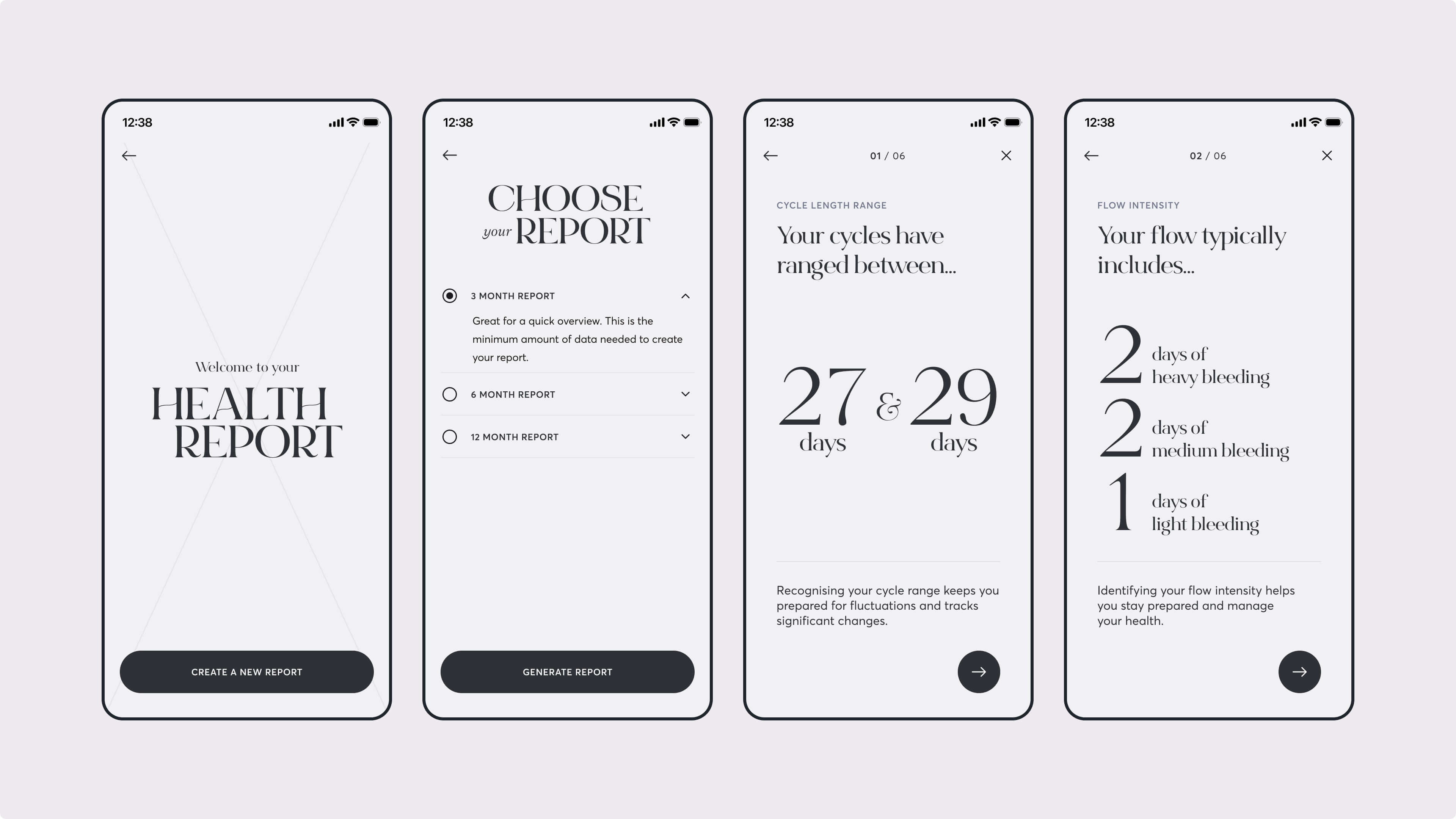
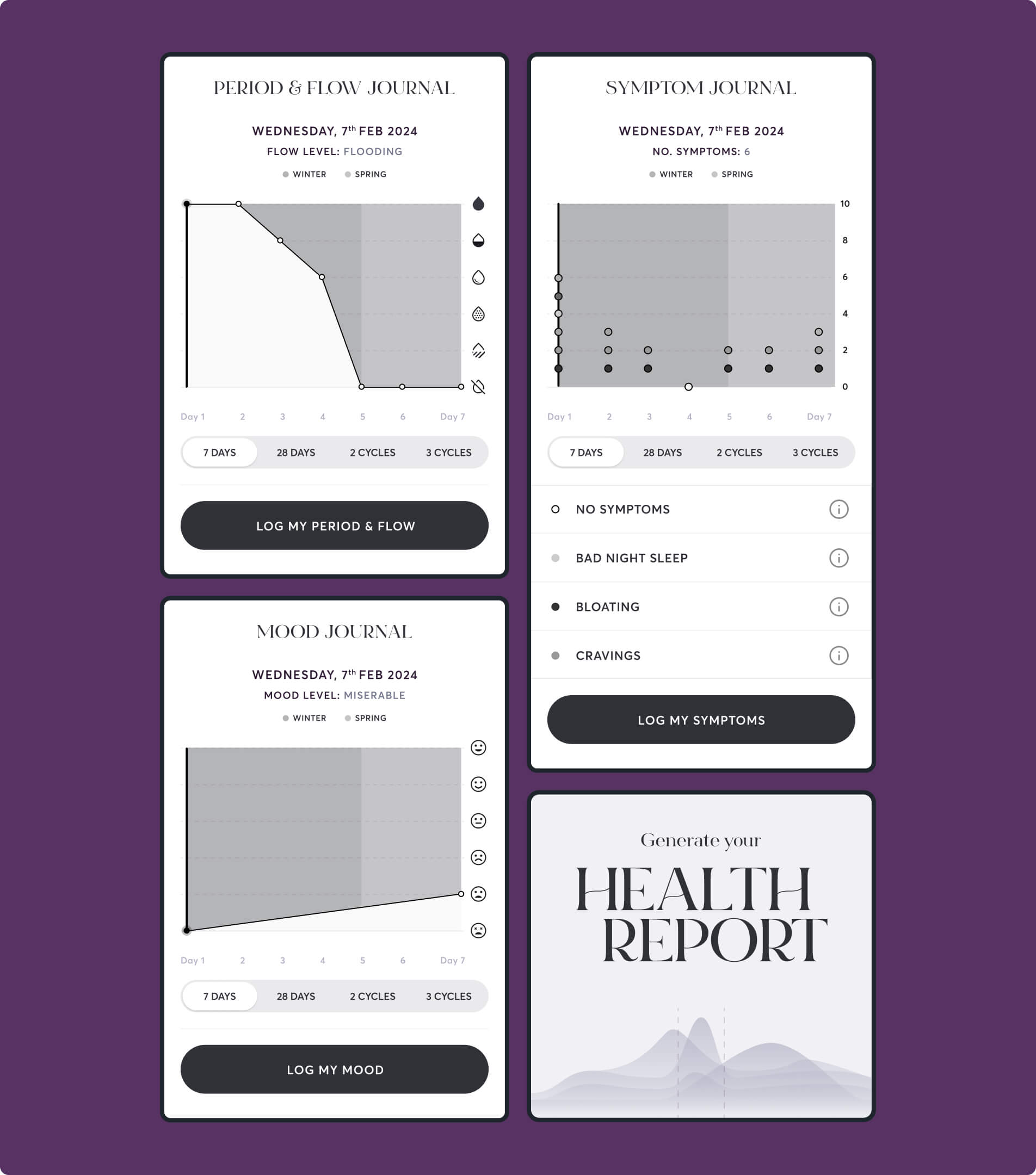
Personalised Cycle Insights – Users received a narrative-driven wrap-up (inspired by Spotify Wrapped) that summarised 90-day trends in an engaging, informative way.

Culturally Inclusive & Age-Aware Design – The UI and content were adaptable to different cultural and personal perspectives on menstrual health.
Solution: A privacy-first menstrual health experience

Simplified Tracking & Logging – Users could easily track their mood, flow, and symptoms, with supportive educational insights integrated seamlessly.

A Data-Safe, Zero-Storage Model – No personal data was stored on servers, ensuring absolute user privacy.

Personalised Cycle Insights – Users received a narrative-driven wrap-up (inspired by Spotify Wrapped) that summarised 90-day trends in an engaging, informative way.

Culturally Inclusive & Age-Aware Design – The UI and content were adaptable to different cultural and personal perspectives on menstrual health.
Impact & Outcomes: User and Business value

Designed a complete wireframe prototype that provided a clear, structured foundation for development and future testing.

Positive feedback from early testers & stakeholders, validating the engagement and accessibility of the UX.

Greater clarity on the product roadmap, my work helped define the app’s scope in a way that made UX and feature prioritisation more strategic

Set the foundation for future UX research & iteration, allowing the 28x team to refine and test the product before launch.

While formal usability testing is still to come, early prototype feedback was highly positive, with users appreciating the ease of use, informative guidance, and privacy-first approach.

While formal usability testing is still to come, early prototype feedback was highly positive, with users appreciating the ease of use, informative guidance, and privacy-first approach.

Impact & Outcomes: User and Business value

Designed a complete wireframe prototype that provided a clear, structured foundation for development and future testing.

Positive feedback from early testers & stakeholders, validating the engagement and accessibility of the UX.

Greater clarity on the product roadmap, my work helped define the app’s scope in a way that made UX and feature prioritisation more strategic

Set the foundation for future UX research & iteration, allowing the 28x team to refine and test the product before launch.

While formal usability testing is still to come, early prototype feedback was highly positive, with users appreciating the ease of use, informative guidance, and privacy-first approach.

Reflection & Learnings: Growth as a UX Leader

UX must lead from the start – Feature-driven startups often skip research & foundational UX work, leading to inefficiencies later.

Designing for privacy requires clear communication – Simply saying “we don’t store your data” isn’t enough; users need transparent explanations of privacy safeguards.

Balancing founder vision with practical UX execution is key – Early-stage products require advocating for user needs while aligning with business goals.

Start with structure, not visuals – Instead of jumping straight into high-fidelity designs, OOUX helped establish a well-organised foundation before aesthetic decisions were made.

Next Steps:

Next Steps:

Conducting formal usability research – Now that the foundation is built, testing with real users will validate design assumptions and inform refinements.

Localising for cultural & language differences – Ensuring diverse global audiences feel included in how menstrual health is presented.

Exploring future AI-driven personalisation – Using on-device AI to adapt insights and educational content to individual users’ needs.

Final Thoughts


Working on 28x reinforced my belief in the power of UX to shape digital health experiences for the better. This project challenged me to think deeply about privacy-first design, accessibility, and education-driven UX, all while navigating the fast-paced, iterative nature of a startup environment.

By balancing user needs, business goals, and ethical design principles, I contributed to a product that has the potential to redefine menstrual health tracking, offering users a free, empowering, and privacy-respecting alternative to commercial apps.

Final Thoughts


Working on 28x reinforced my belief in the power of UX to shape digital health experiences for the better. This project challenged me to think deeply about privacy-first design, accessibility, and education-driven UX, all while navigating the fast-paced, iterative nature of a startup environment.

By balancing user needs, business goals, and ethical design principles, I contributed to a product that has the potential to redefine menstrual health tracking, offering users a free, empowering, and privacy-respecting alternative to commercial apps.

Reflection & Learnings: Growth as a UX Leader

UX must lead from the start – Feature-driven startups often skip research & foundational UX work, leading to inefficiencies later.

Designing for privacy requires clear communication – Simply saying “we don’t store your data” isn’t enough; users need transparent explanations of privacy safeguards.

Balancing founder vision with practical UX execution is key – Early-stage products require advocating for user needs while aligning with business goals.

Start with structure, not visuals – Instead of jumping straight into high-fidelity designs, OOUX helped establish a well-organised foundation before aesthetic decisions were made.

Next Steps:

Conducting formal usability research – Now that the foundation is built, testing with real users will validate design assumptions and inform refinements.

Localising for cultural & language differences – Ensuring diverse global audiences feel included in how menstrual health is presented.

Exploring future AI-driven personalisation – Using on-device AI to adapt insights and educational content to individual users’ needs.

Final Thoughts


Working on 28x reinforced my belief in the power of UX to shape digital health experiences for the better. This project challenged me to think deeply about privacy-first design, accessibility, and education-driven UX, all while navigating the fast-paced, iterative nature of a startup environment.

By balancing user needs, business goals, and ethical design principles, I contributed to a product that has the potential to redefine menstrual health tracking, offering users a free, empowering, and privacy-respecting alternative to commercial apps.

If you’re interested in how I solve complex UX challenges, take a look at my approach, or dive into some of my work to see the impact in action.

If you’re interested in how I solve complex UX challenges, take a look at my approach, or dive into some of my work to see the impact in action.

If you’re interested in how I solve complex UX challenges, take a look at my approach, or dive into some of my work to see the impact in action.

Curious about better experiences? Let’s connect.

Curious about better experiences? Let’s connect.

Curious about better experiences? Let’s connect.