

Premier League
Mobile App
How I introduced Object-Oriented UX to simplify a complex coaching platform and enable scalable career development
©
2024
Challenge: Tackling complexity in a coaching app for professional football
The Premier League required a scalable, intuitive digital solution to support the career development of professional football coaches across multiple leagues and governing bodies (e.g., Premier League, EFL, Women’s Super League, FA, and PFA). The existing system suffered from:
Fragmented and inconsistent user experience, making it difficult for coaches to find relevant career and training resources.
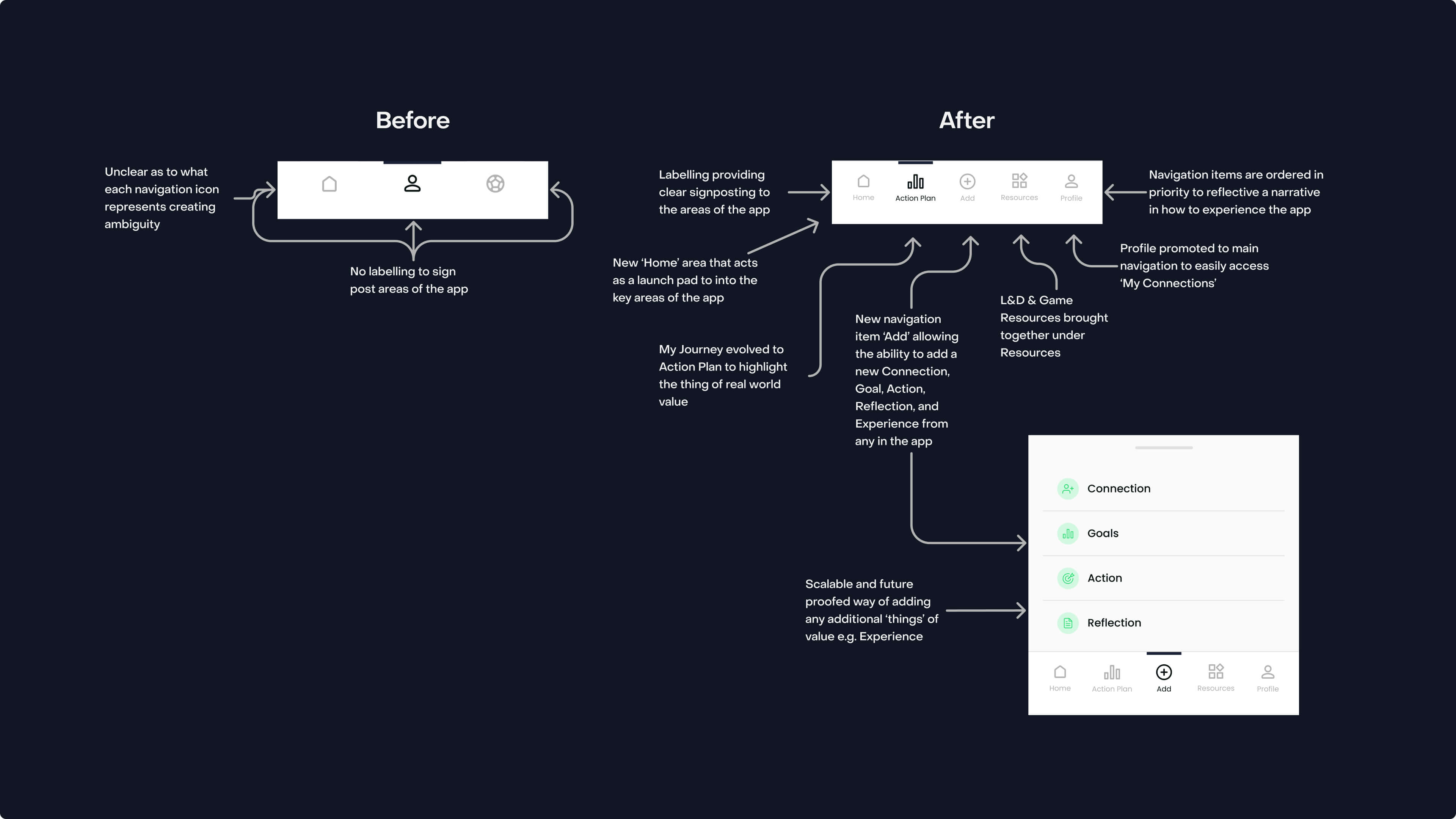
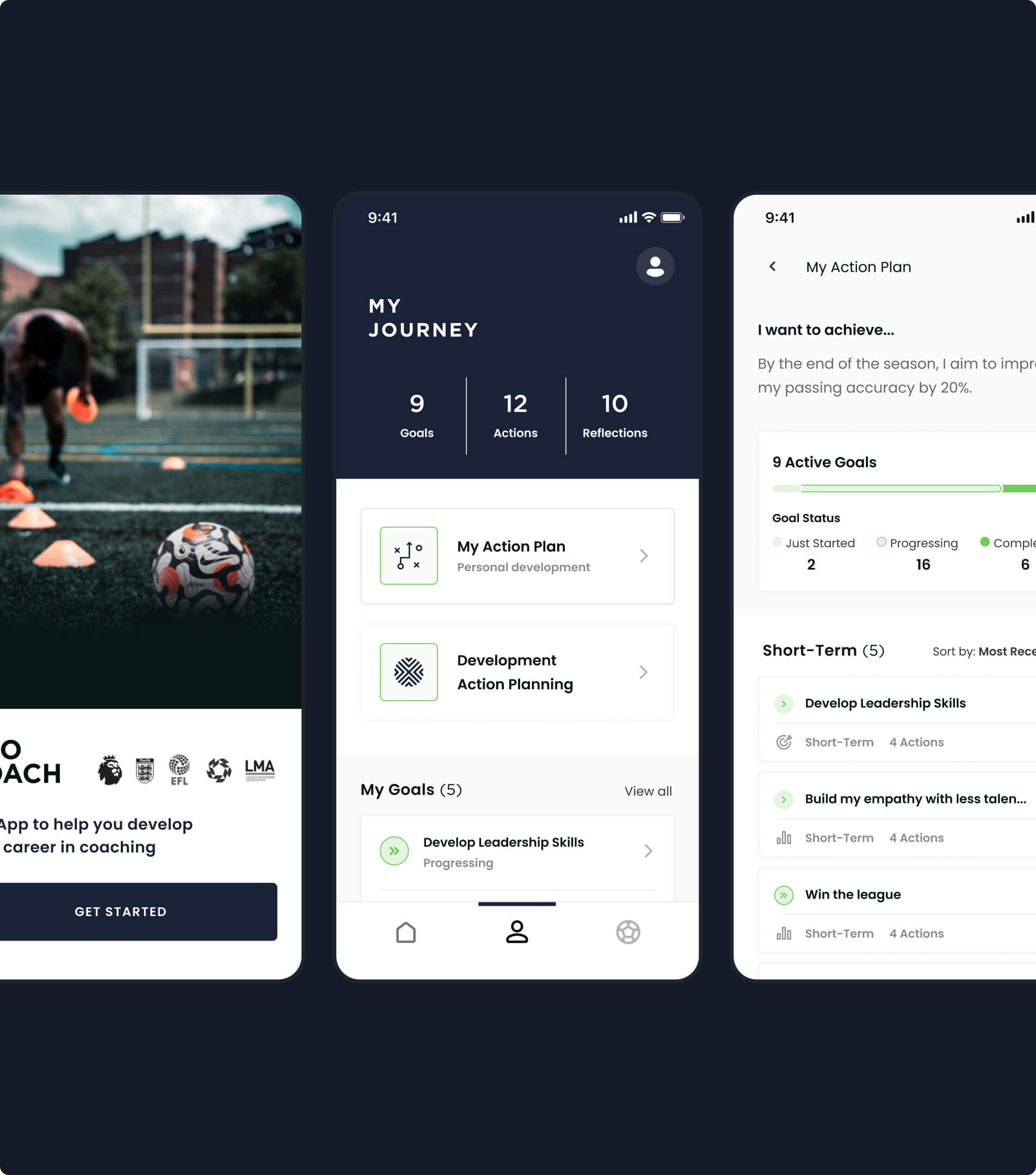
Poor information architecture, causing confusion in navigating key features like career planning, learning resources, and development tracking.
Lack of clear relationships between key coaching resources, leading to missed opportunities for personalised recommendations.
A task-led design approach, that failed to reflect how coaches think about their careers limiting long-term scalability and personalisation
The app needed to seamlessly integrate various coaching tools, role profiles, and learning pathways while ensuring intuitive navigation for a diverse user base with varying levels of digital literacy.

Challenge: Tackling complexity in a coaching app for professional football
The Premier League required a scalable, intuitive digital solution to support the career development of professional football coaches across multiple leagues and governing bodies (e.g., Premier League, EFL, Women’s Super League, FA, and PFA). The existing system suffered from:
Fragmented and inconsistent user experience, making it difficult for coaches to find relevant career and training resources.
Poor information architecture, causing confusion in navigating key features like career planning, learning resources, and development tracking.
Lack of clear relationships between key coaching resources, leading to missed opportunities for personalised recommendations.
A task-led design approach, that failed to reflect how coaches think about their careers limiting long-term scalability and personalisation
The app needed to seamlessly integrate various coaching tools, role profiles, and learning pathways while ensuring intuitive navigation for a diverse user base with varying levels of digital literacy.

Role & Approach: UX Leadership & championing OOUX for clarity
I led the UX strategy and design for the Premier League’s Pro Coach App, bringing Object-Oriented UX (OOUX) into the design process to streamline complexity. My contributions included:
Championing OOUX as a methodology to improve navigation, structure, and relationships between key coaching resources.
Leading UX discovery through stakeholder workshops and heuristic evaluations to uncover pain points.
Facilitating OOUX-driven alignment between design, development, and product teams, ensuring a structured approach to content and feature relationships.
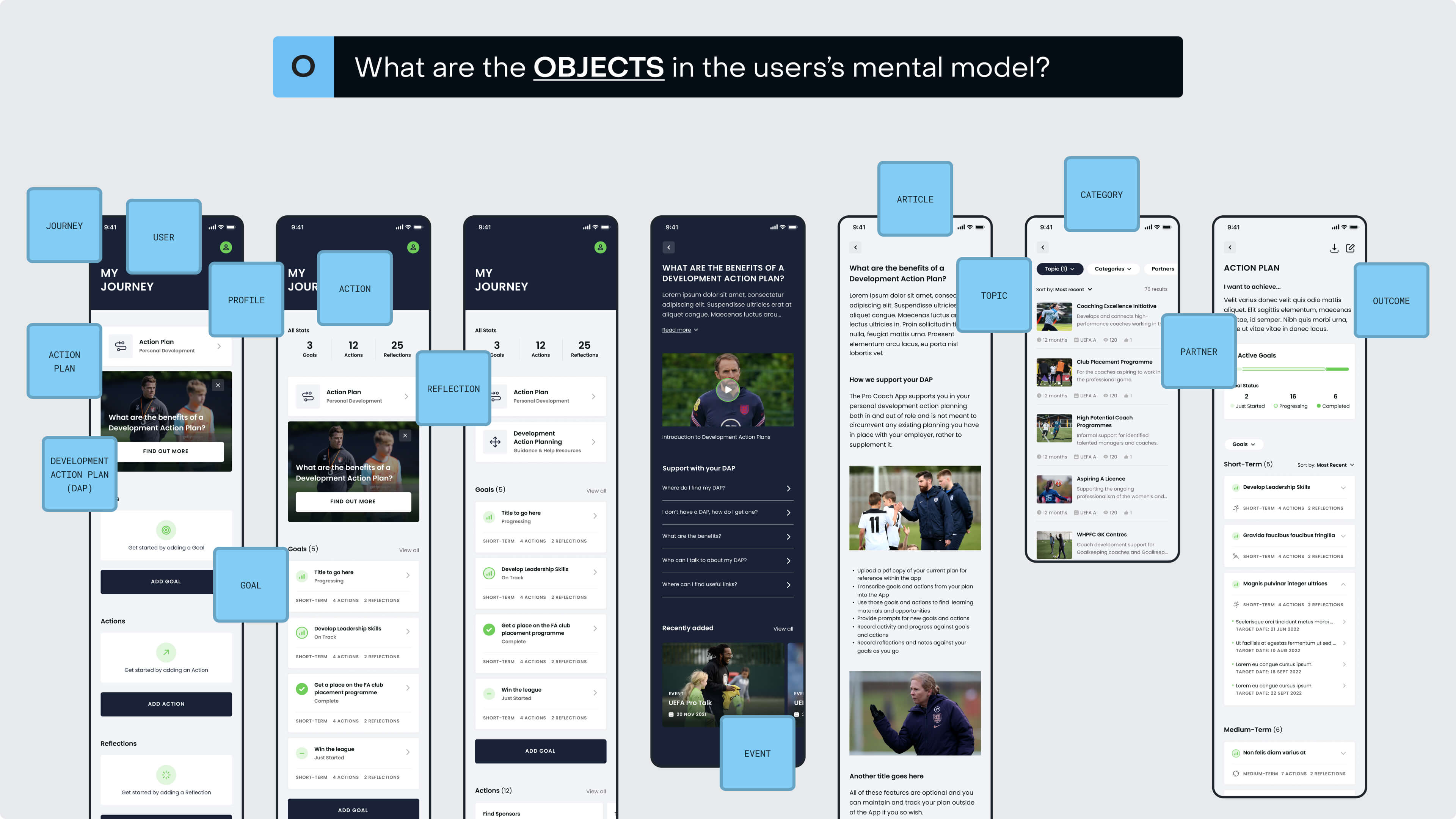
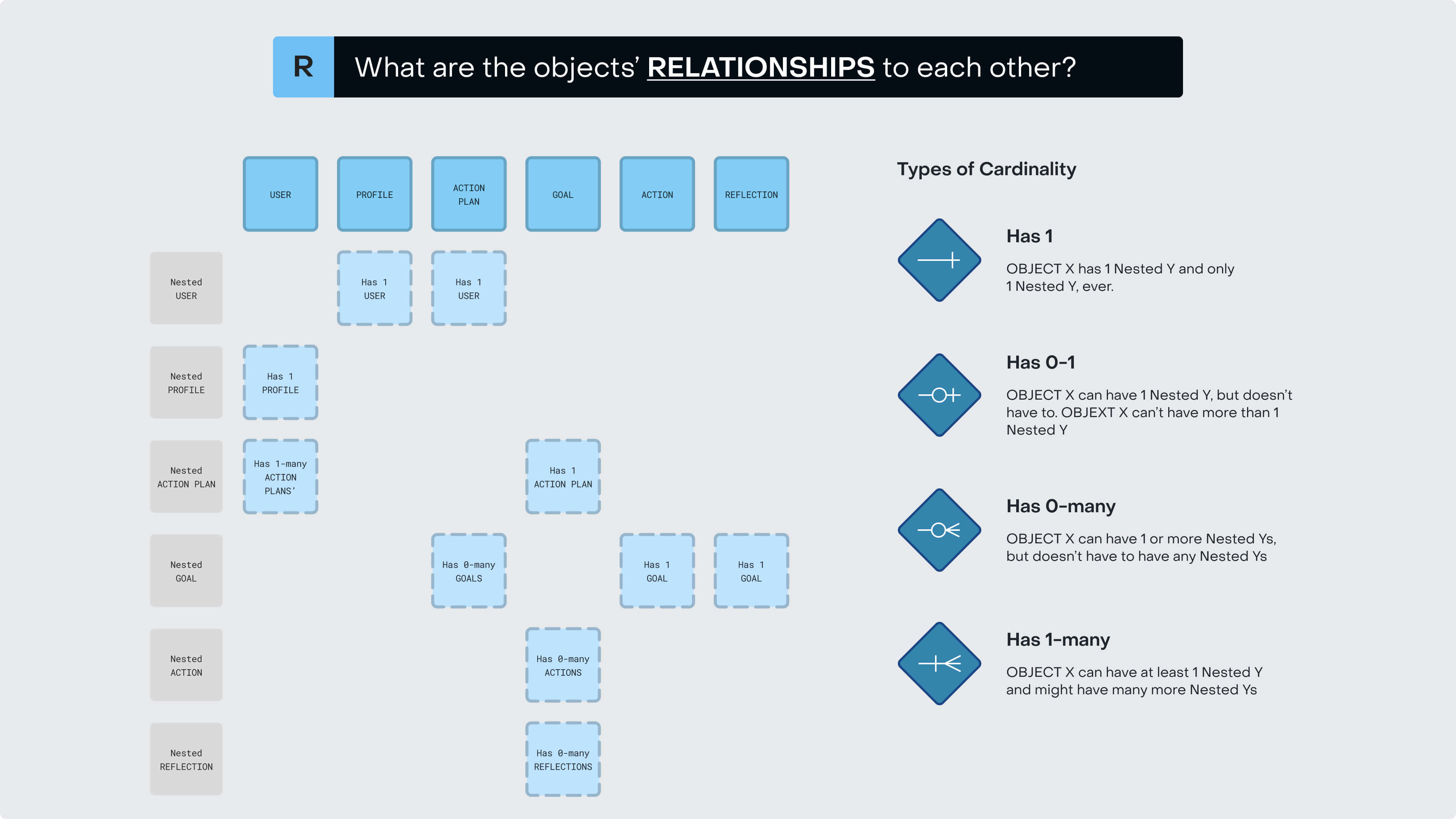
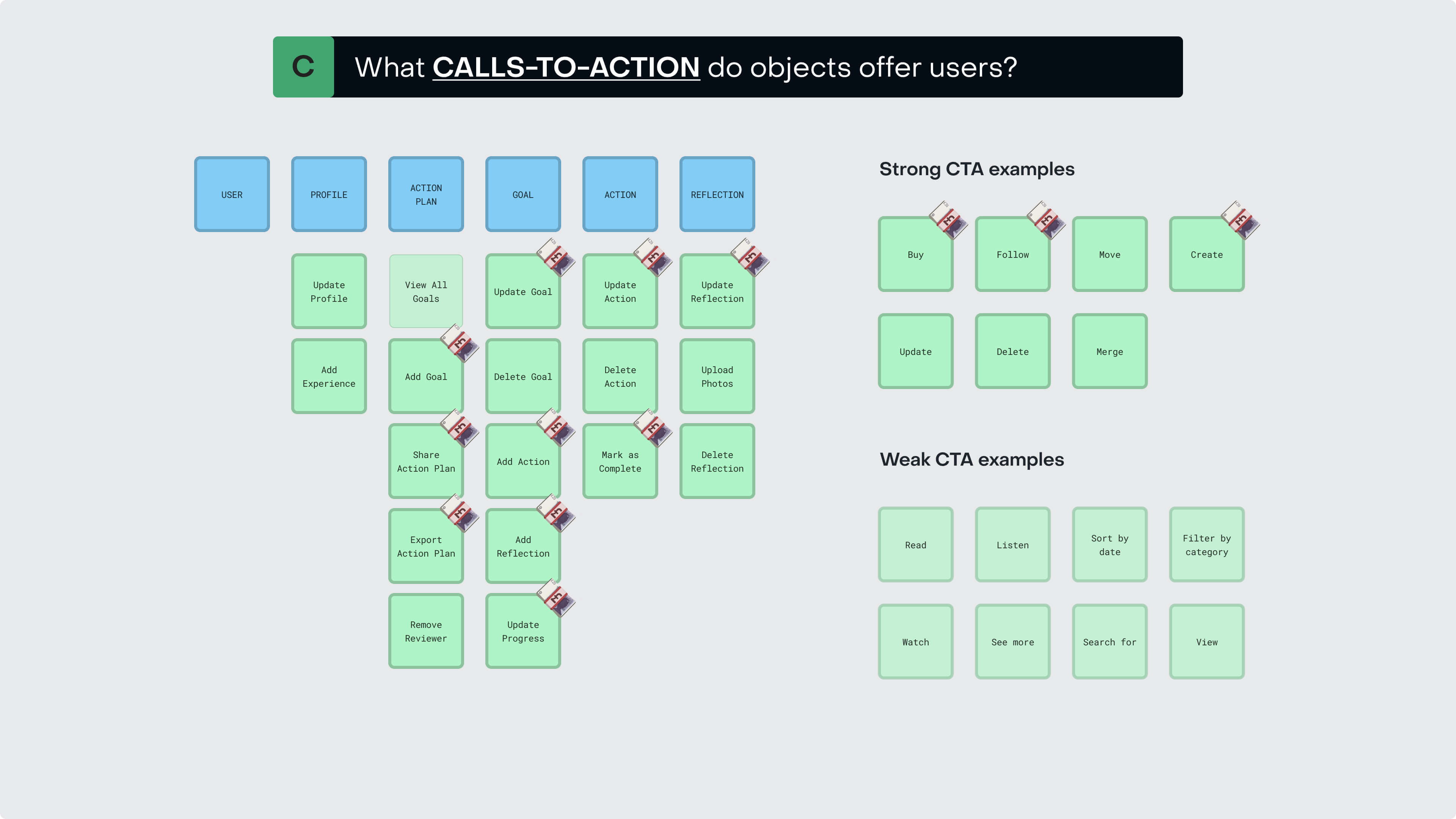
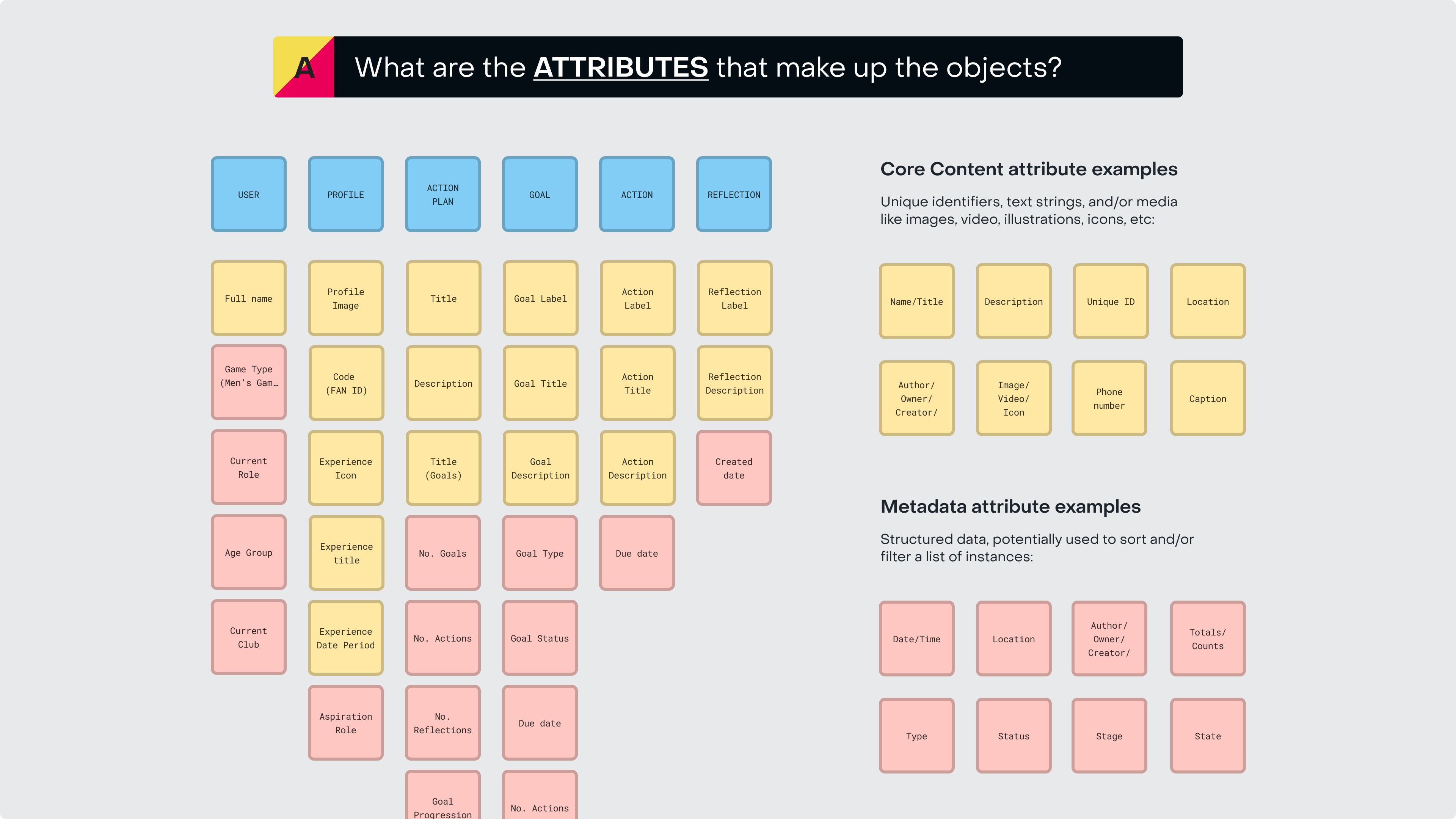
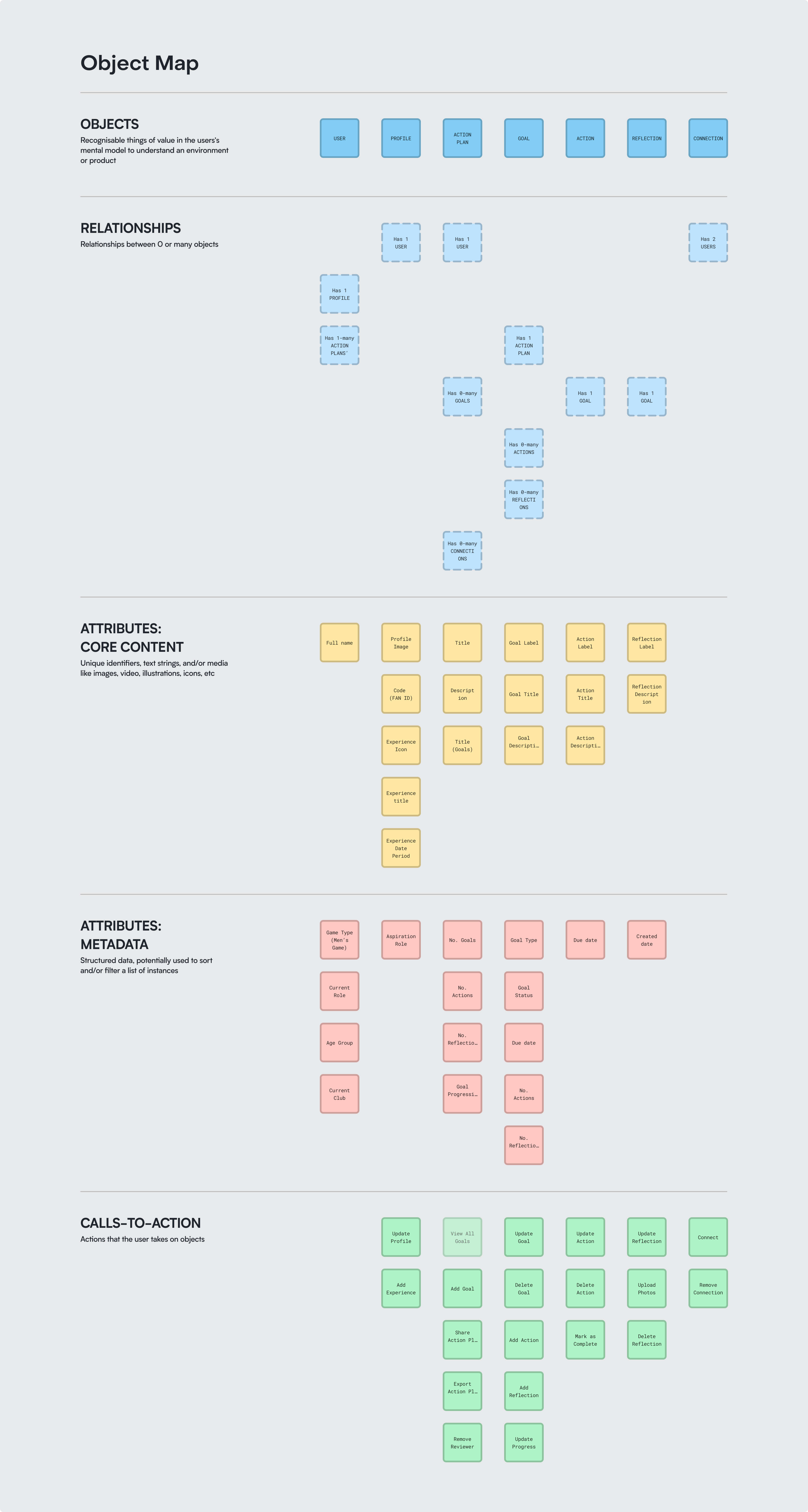
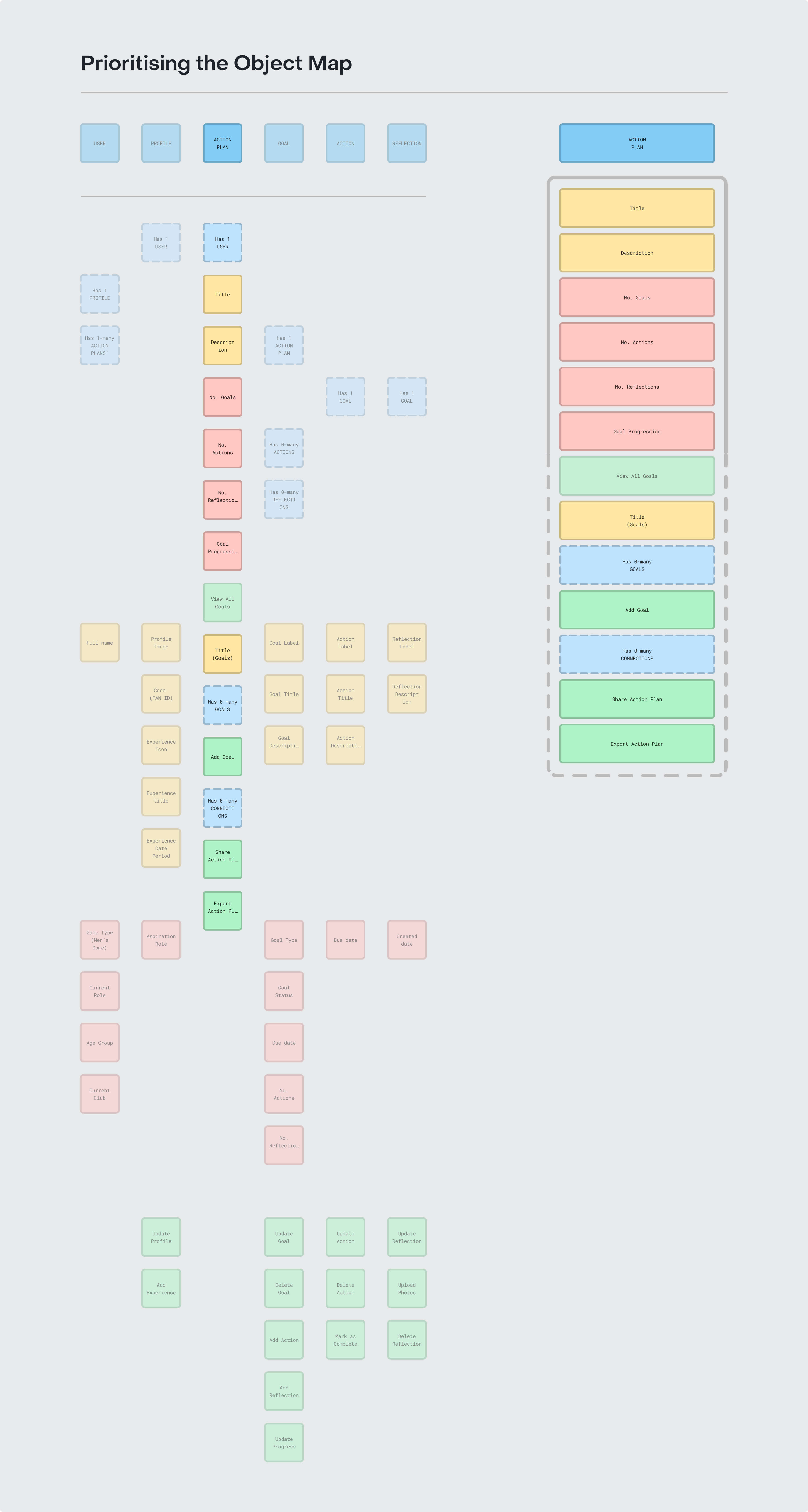
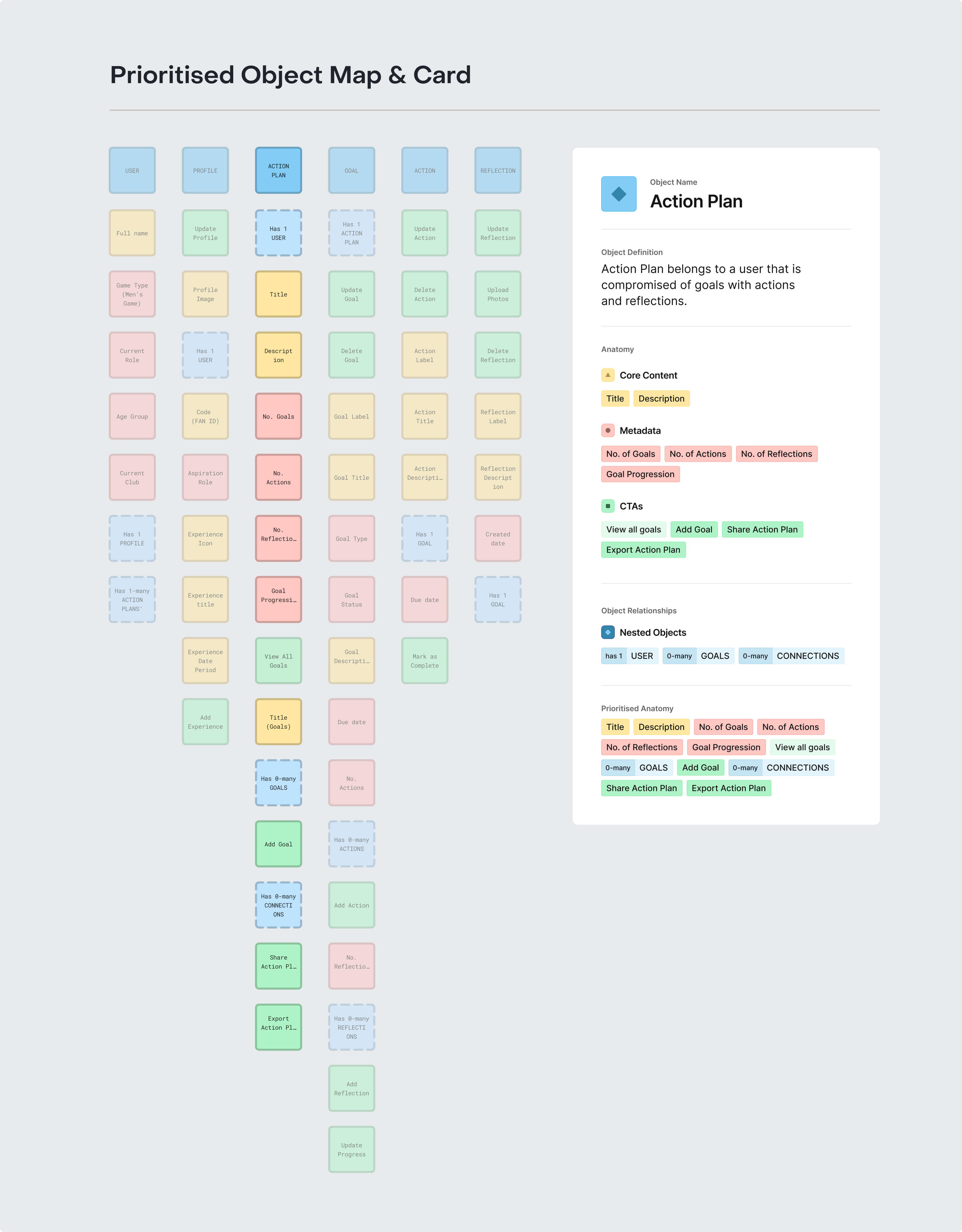
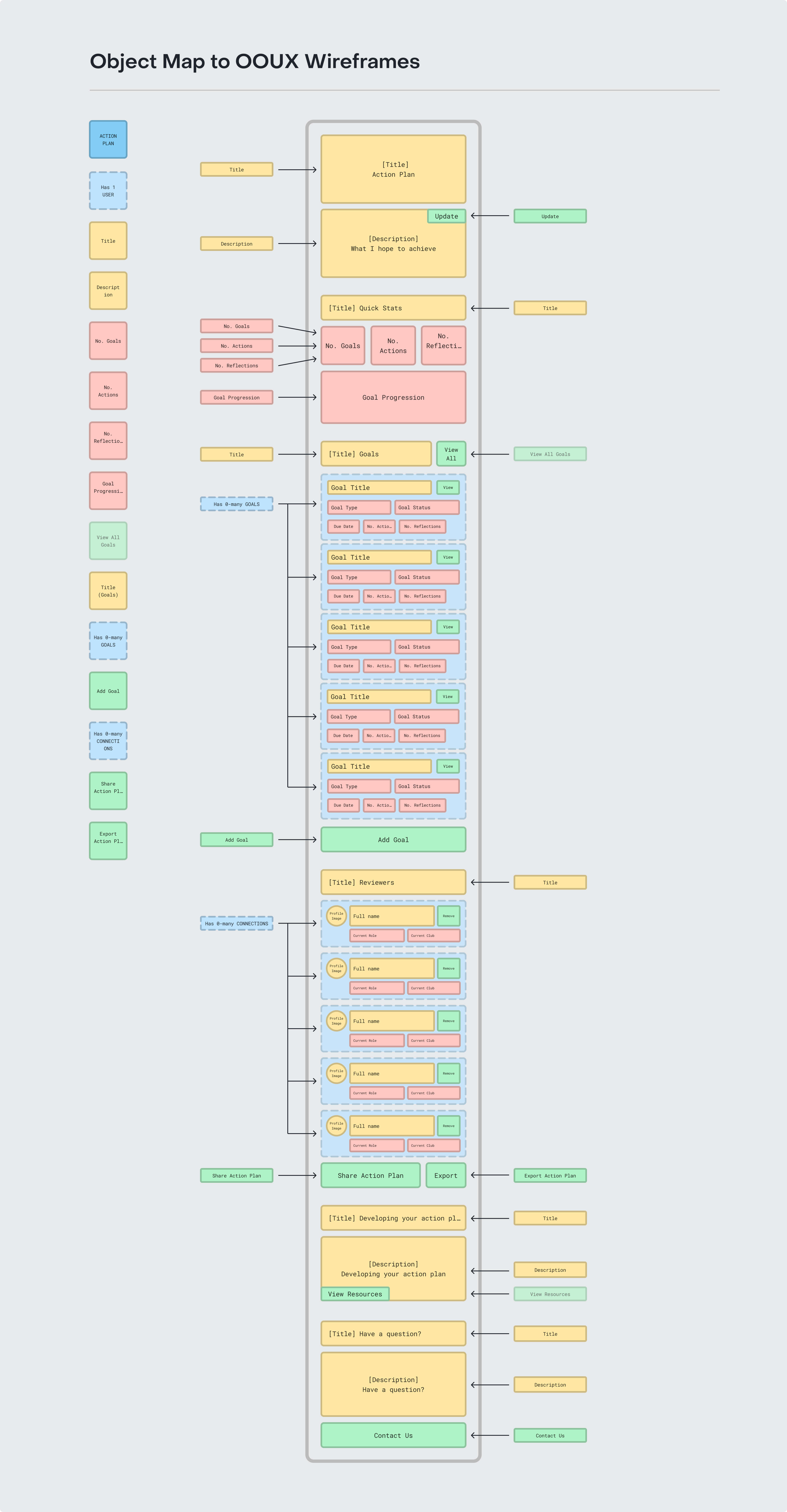
Conducting ORCA workshops to define the key objects, relationships, CTAs, and attributes, which became the foundation of the app’s IA and UX design.
Mentoring designers and developers, demonstrating how OOUX aligns with both user experience and technical architecture.
Role & Approach: UX Leadership & championing OOUX for clarity
I led the UX strategy and design for the Premier League’s Pro Coach App, bringing Object-Oriented UX (OOUX) into the design process to streamline complexity. My contributions included:
Championing OOUX as a methodology to improve navigation, structure, and relationships between key coaching resources.
Leading UX discovery through stakeholder workshops and heuristic evaluations to uncover pain points.
Facilitating OOUX-driven alignment between design, development, and product teams, ensuring a structured approach to content and feature relationships.
Conducting ORCA workshops to define the key objects, relationships, CTAs, and attributes, which became the foundation of the app’s IA and UX design.
Mentoring designers and developers, demonstrating how OOUX aligns with both user experience and technical architecture.


Key Insights & Decisions: Why OOUX was a game-changer
OOUX uncovered several critical usability issues and opportunities that shaped the final app design:
Coaches struggled to find relevant resources – Information was scattered, and search behaviour revealed frustration with siloed learning materials.
Object relationships were unclear – Users had difficulty understanding how different coaching tools, career pathways, and training modules connected.
Navigation relied too heavily on a rigid main menu – Instead of a task-based UI, OOUX helped restructure content around coaches’ mental models of career progression.
Feature creep risked bloating the experience – Prioritising the core objects (roles, qualifications, development plans) helped refine MVP scope.
Navigating Trade-Offs & Constraints:
Initial learning curve for stakeholders with OOUX, as its structured, object-based approach differed from their traditional task-oriented mindset. To overcome this, I used visual storytelling to demonstrate the risks of Objects that Mask, Isolate, Break, and Shape-shift, as well as the key pitfalls OOUX helps solve.
The coaching app required integration with multiple platforms, so we collaborated closely with developers to align the object model with database architecture, preventing misalignment between UX and backend systems.
Time and delivery pressure meant OOUX had to be lean, requiring a pragmatic approach to using the ORCA framework, initially limited to just the Discovery and Representation rounds.
Key Insights & Decisions: Why OOUX was a game-changer
OOUX uncovered several critical usability issues and opportunities that shaped the final app design:
Coaches struggled to find relevant resources – Information was scattered, and search behaviour revealed frustration with siloed learning materials.
Object relationships were unclear – Users had difficulty understanding how different coaching tools, career pathways, and training modules connected.
Navigation relied too heavily on a rigid main menu – Instead of a task-based UI, OOUX helped restructure content around coaches’ mental models of career progression.
Feature creep risked bloating the experience – Prioritising the core objects (roles, qualifications, development plans) helped refine MVP scope.
Navigating Trade-Offs & Constraints:
Initial learning curve for stakeholders with OOUX, as its structured, object-based approach differed from their traditional task-oriented mindset. To overcome this, I used visual storytelling to demonstrate the risks of Objects that Mask, Isolate, Break, and Shape-shift, as well as the key pitfalls OOUX helps solve.
The coaching app required integration with multiple platforms, so we collaborated closely with developers to align the object model with database architecture, preventing misalignment between UX and backend systems.
Time and delivery pressure meant OOUX had to be lean, requiring a pragmatic approach to using the ORCA framework, initially limited to just the Discovery and Representation rounds.


Solution: A simplified, structured, and intuitive coaching platform
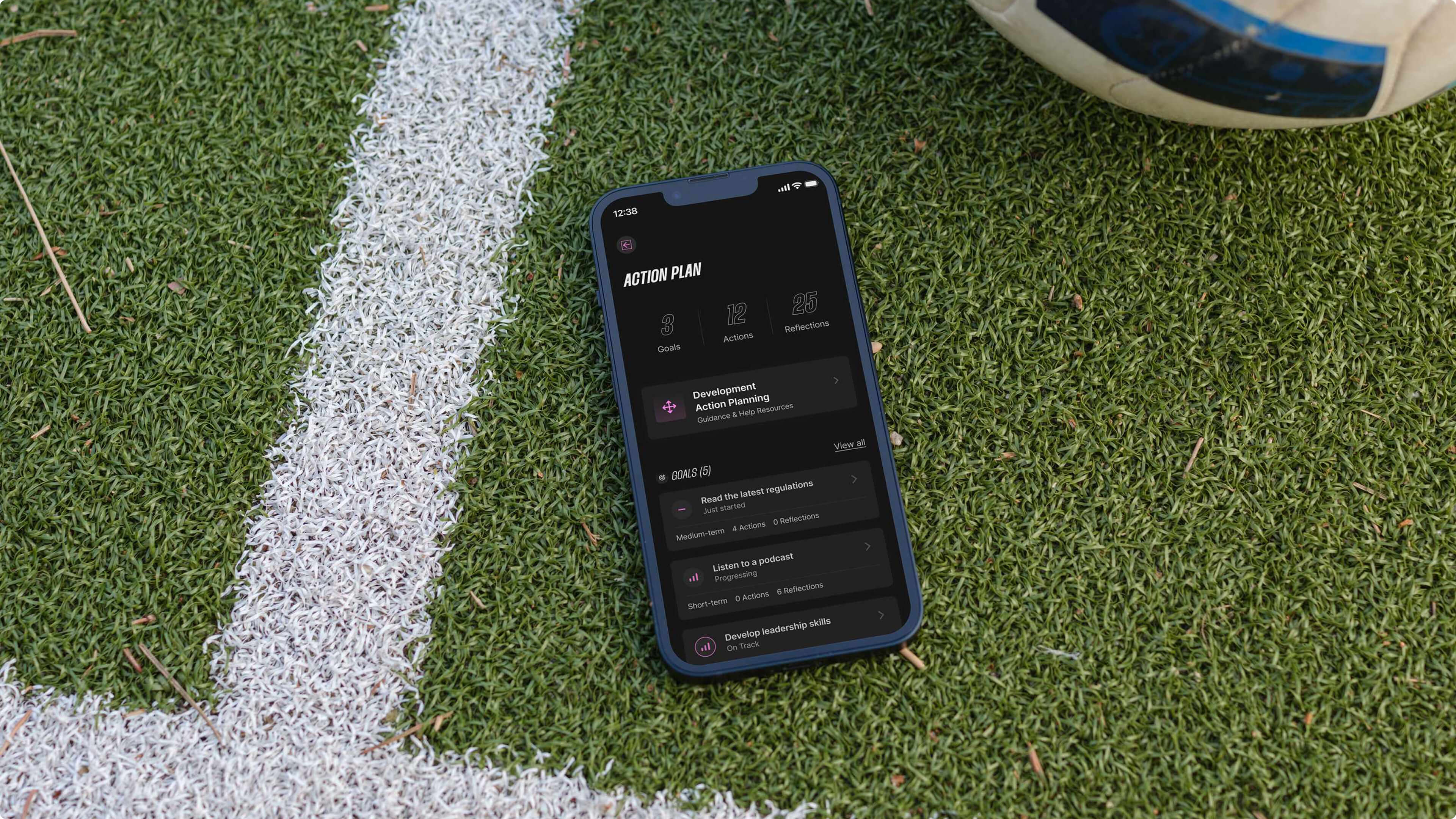
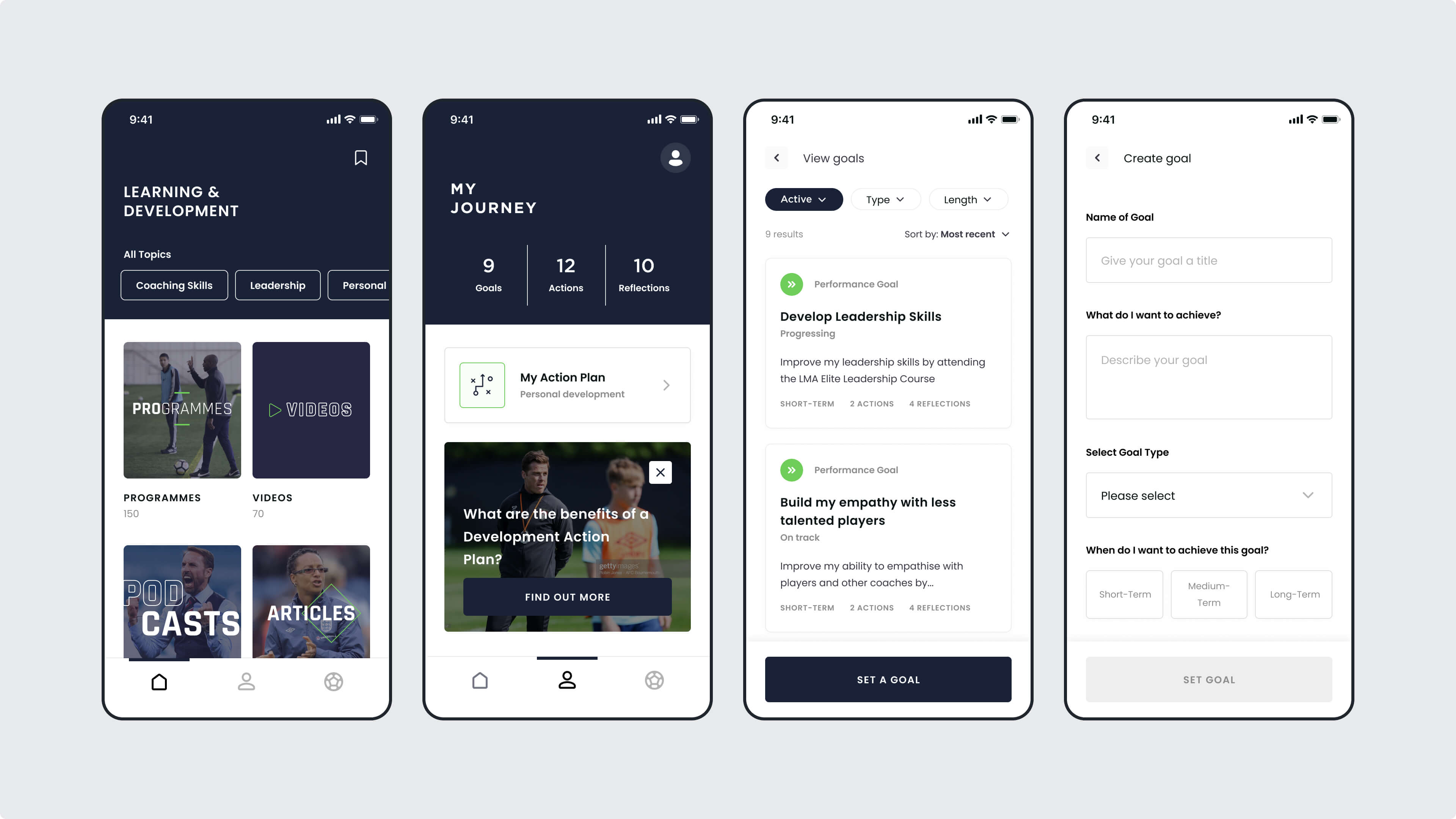
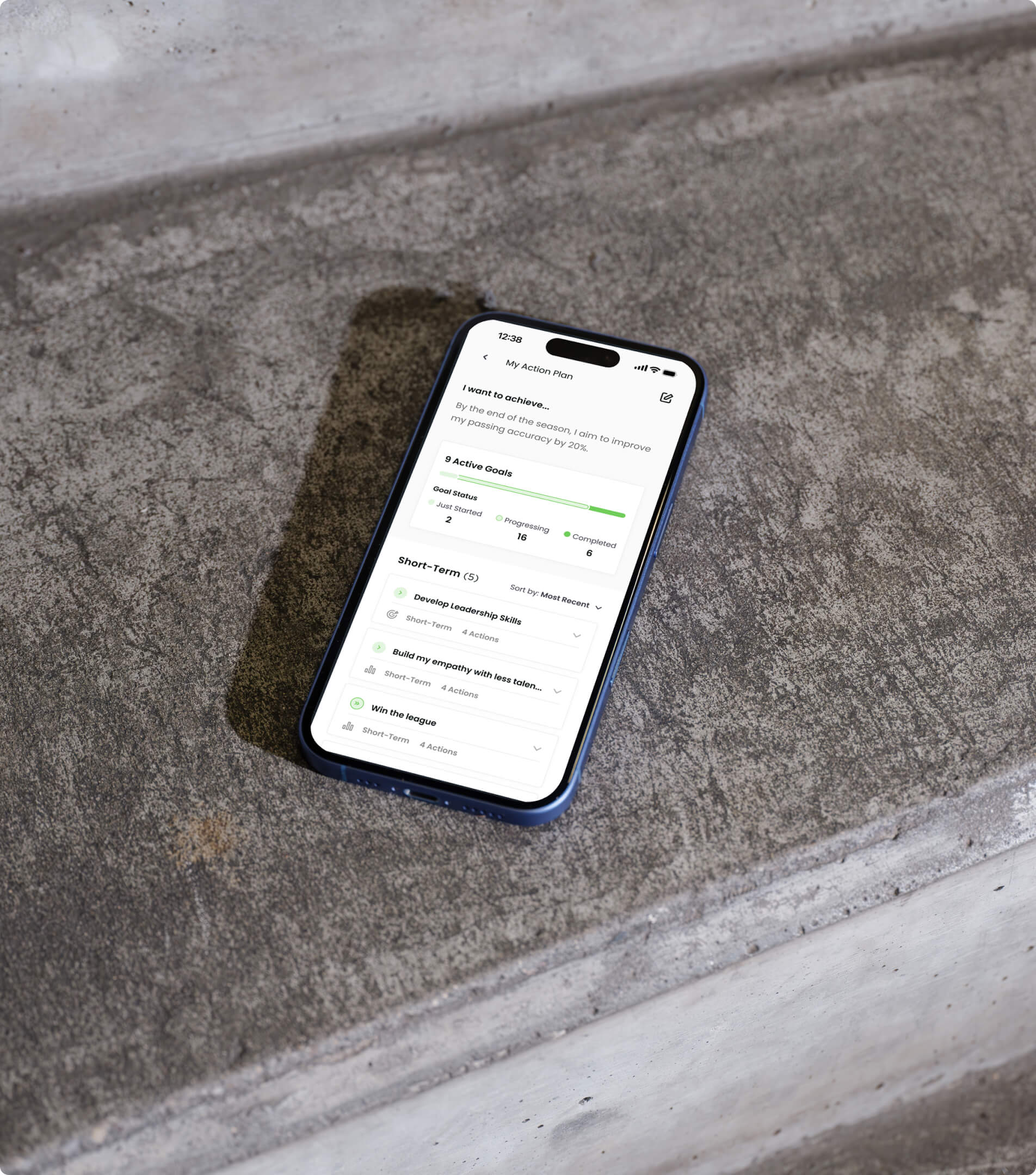
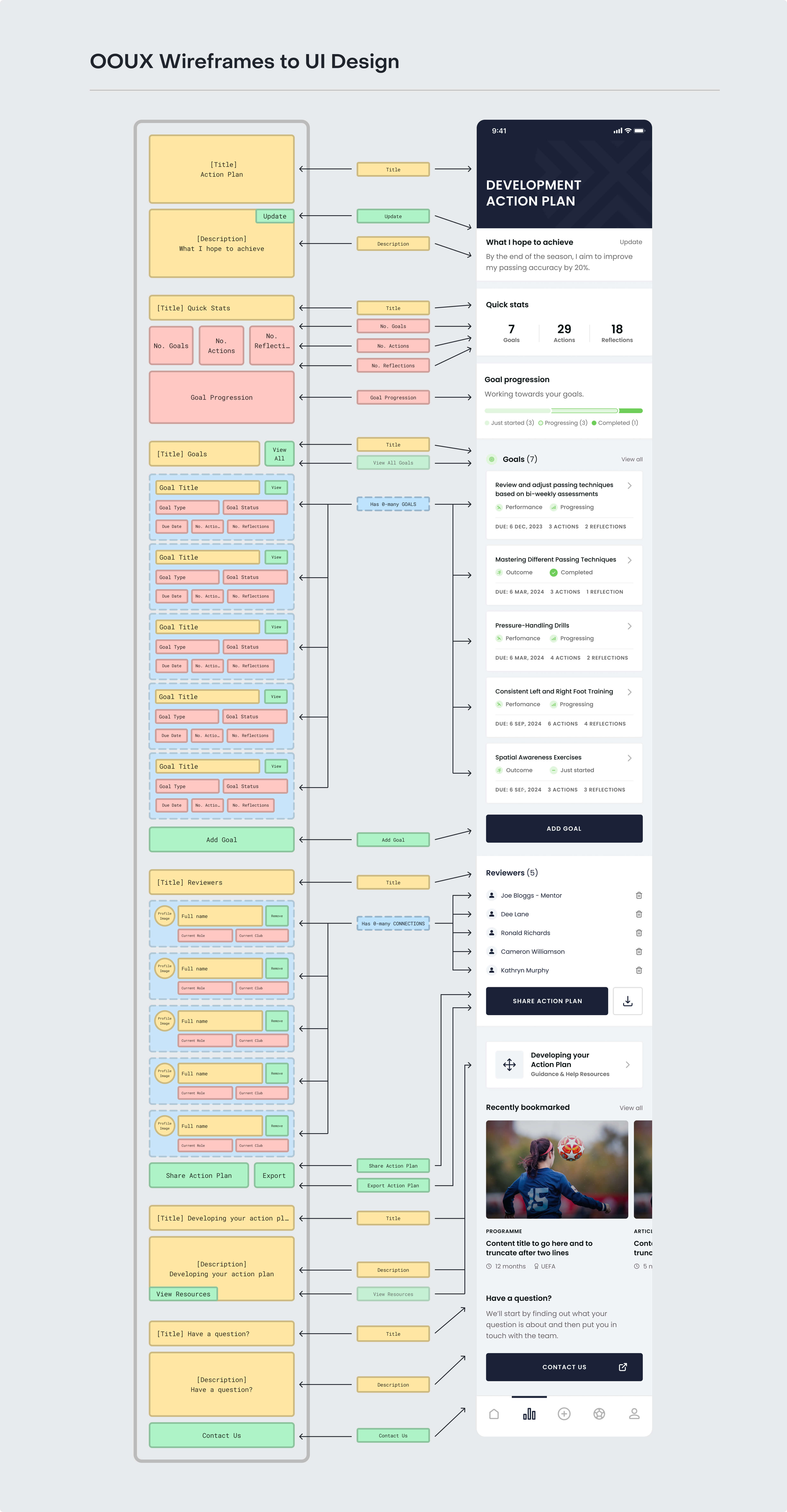
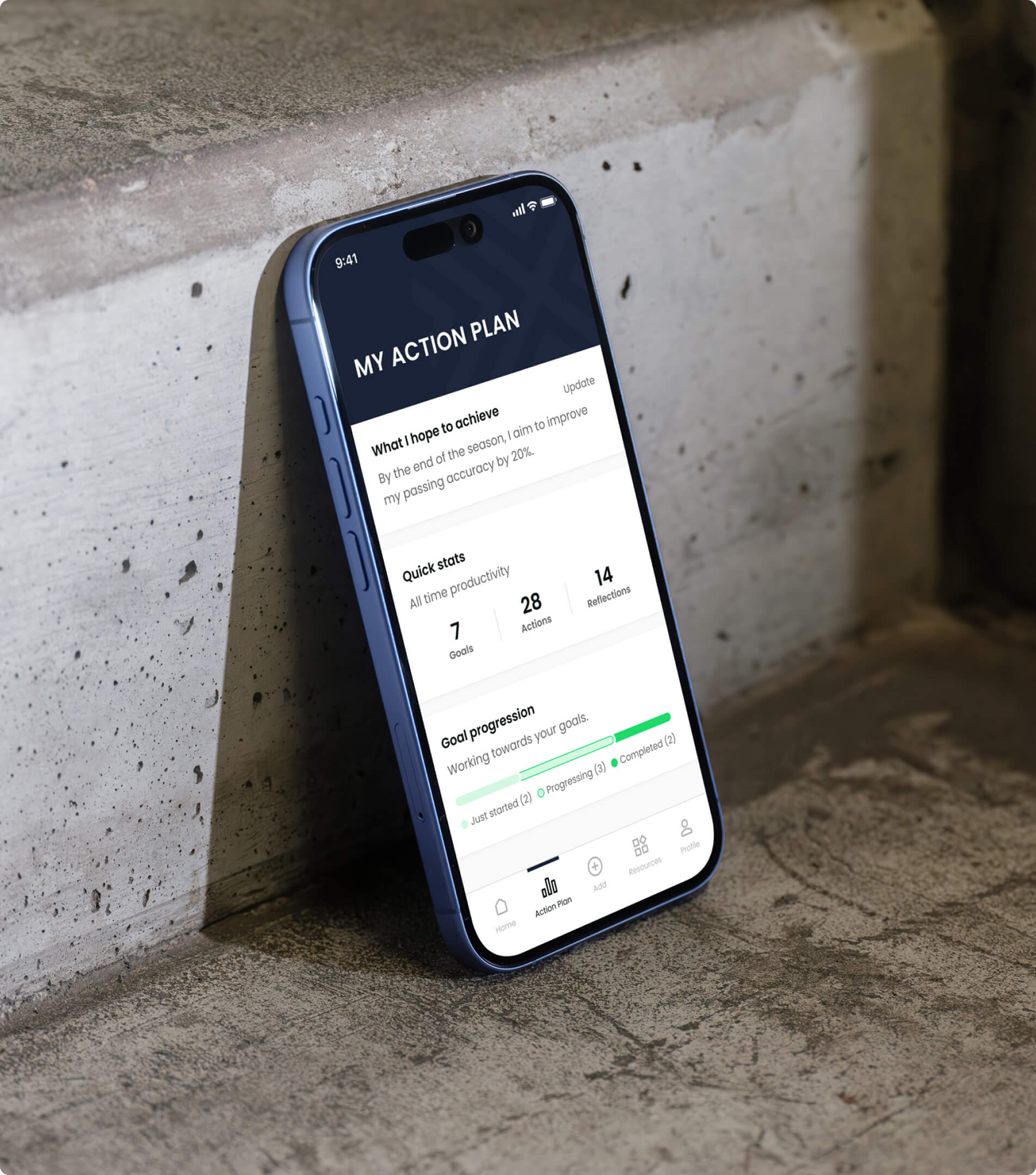
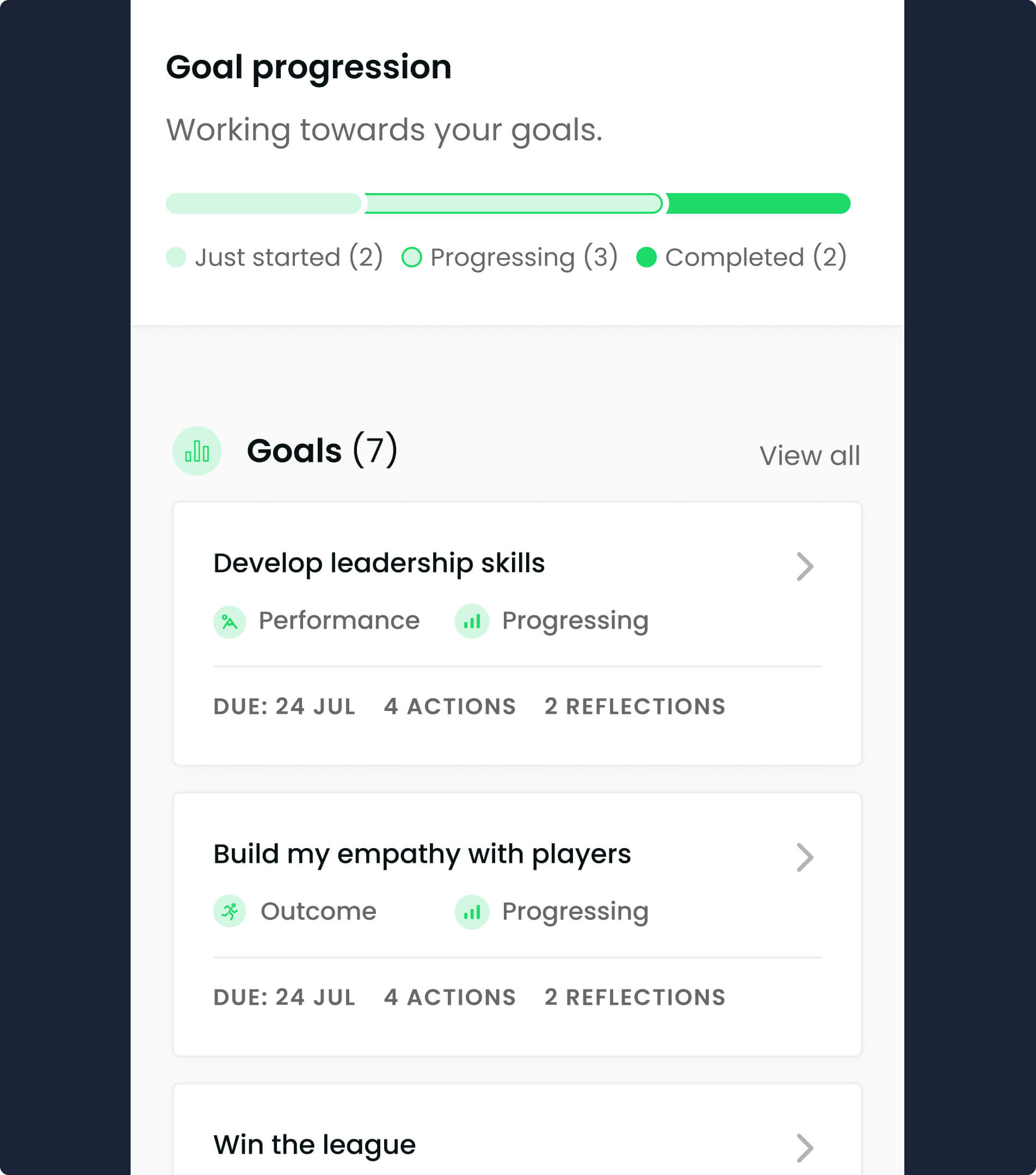
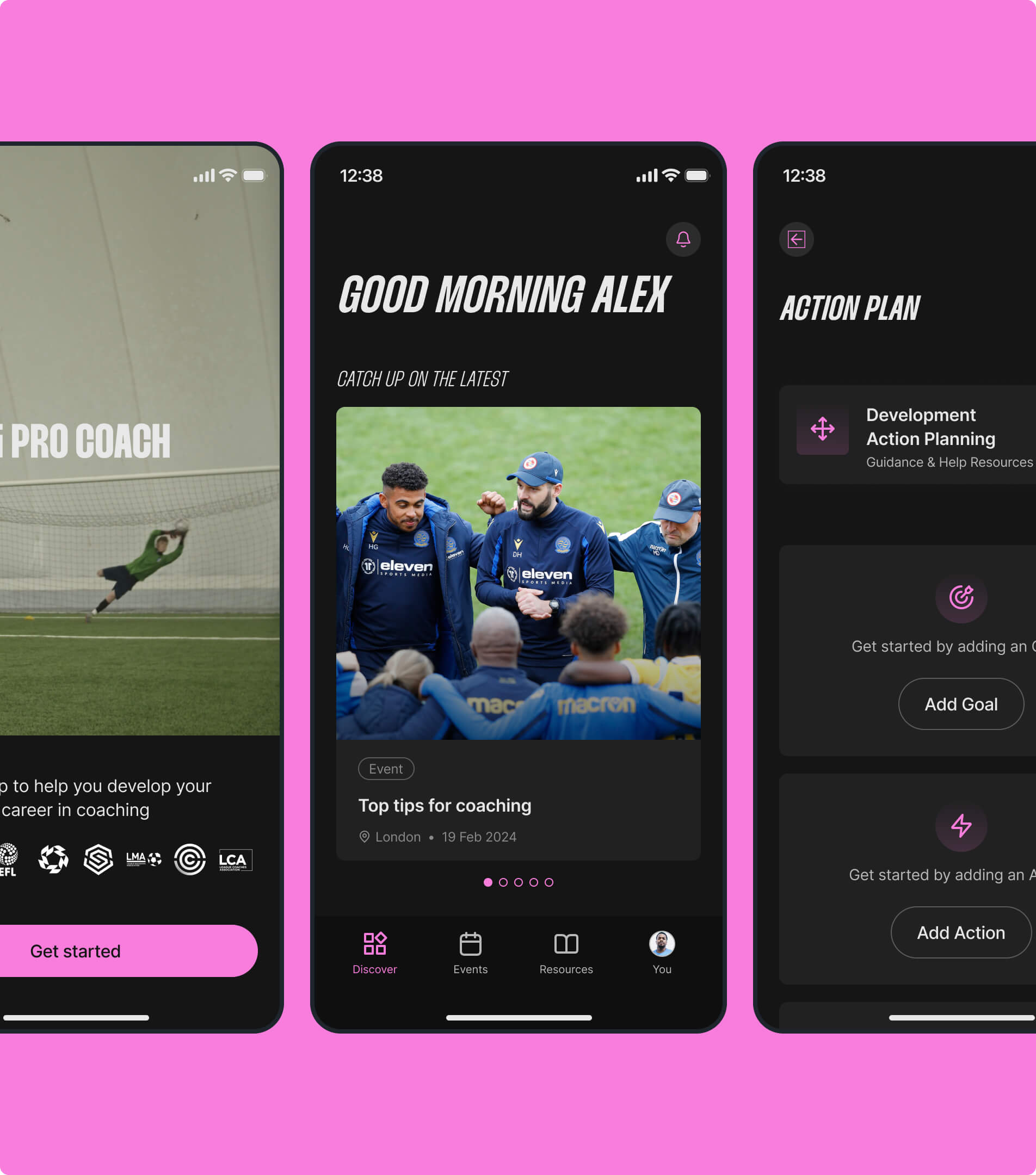
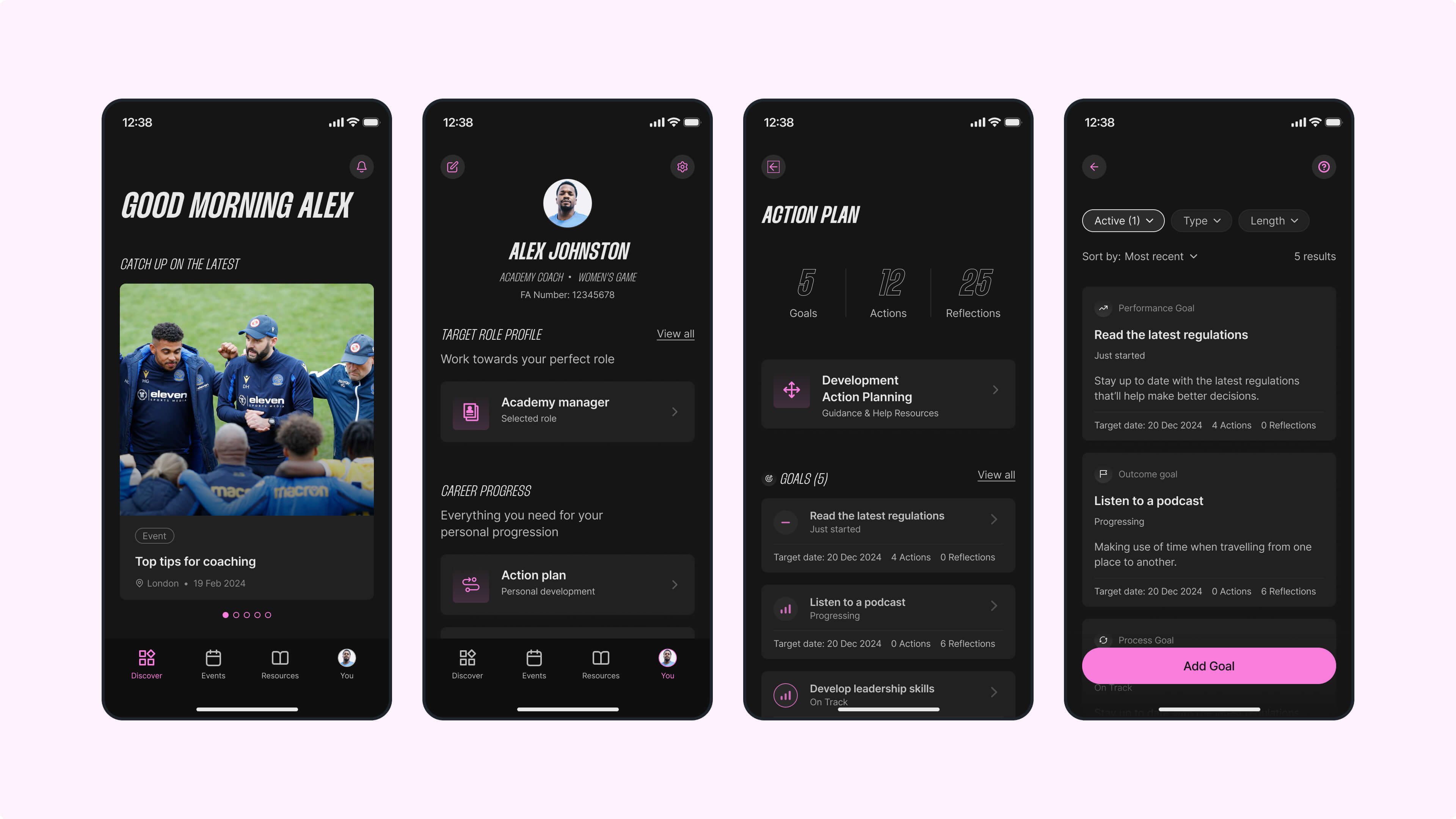
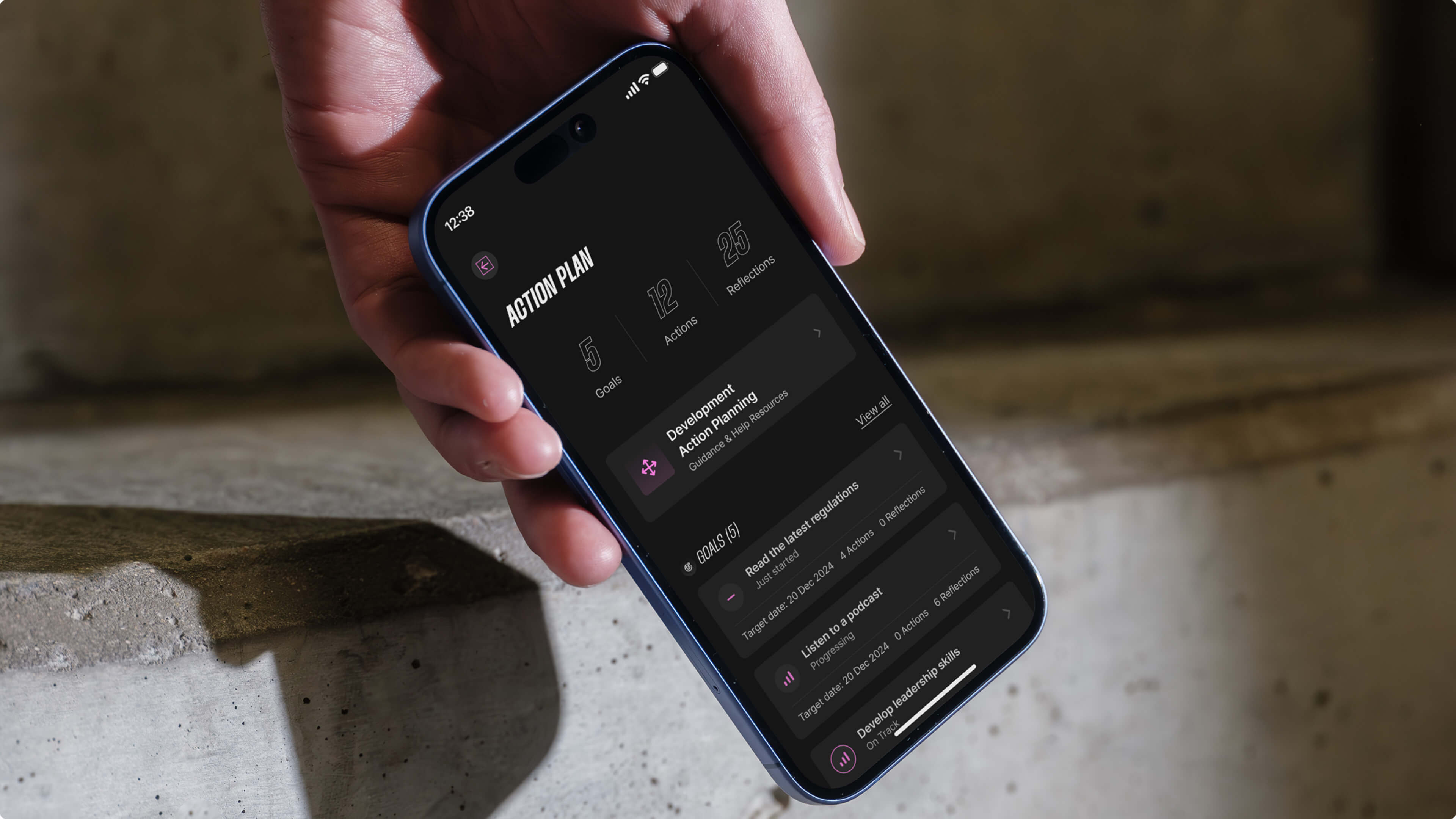
A New Object-Based Information Architecture – Instead of forcing coaches into a predefined navigation, the app was built around key objects (e.g. Plan, Goal, Action, Reflection).
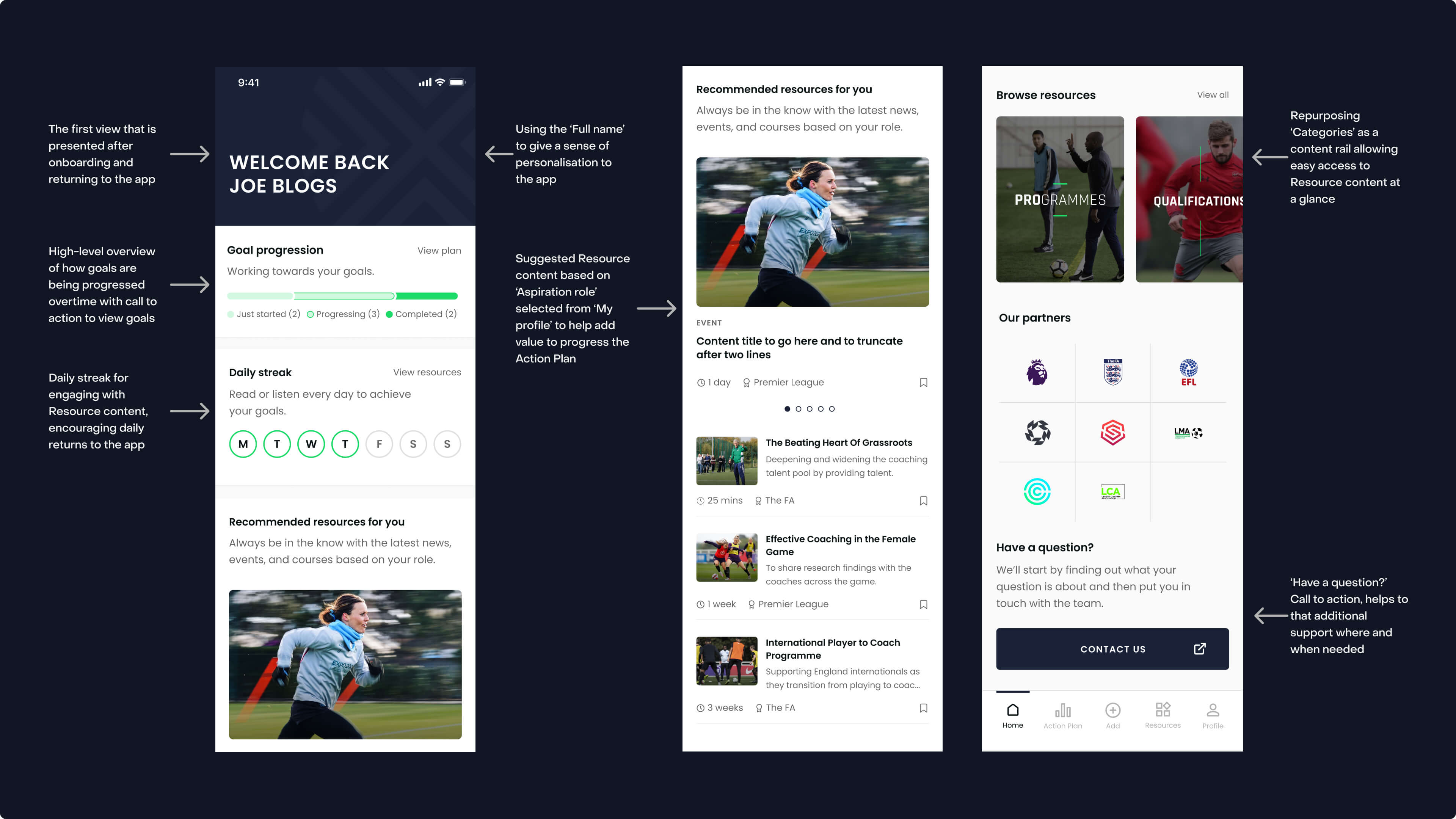
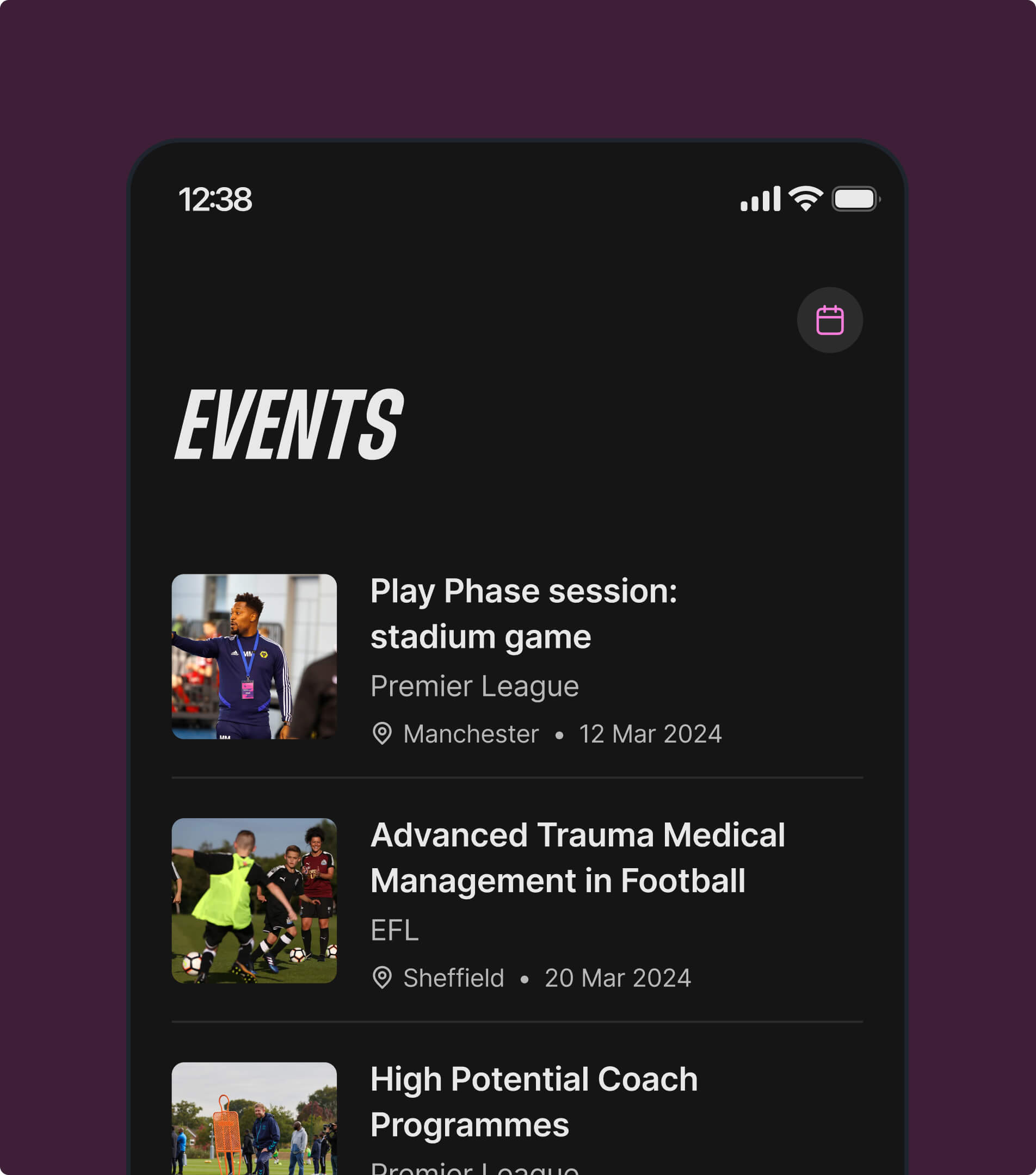
Improved Content Relationships – Training programs, career milestones, and personal development plans were logically linked, ensuring intuitive, contextual content navigation.
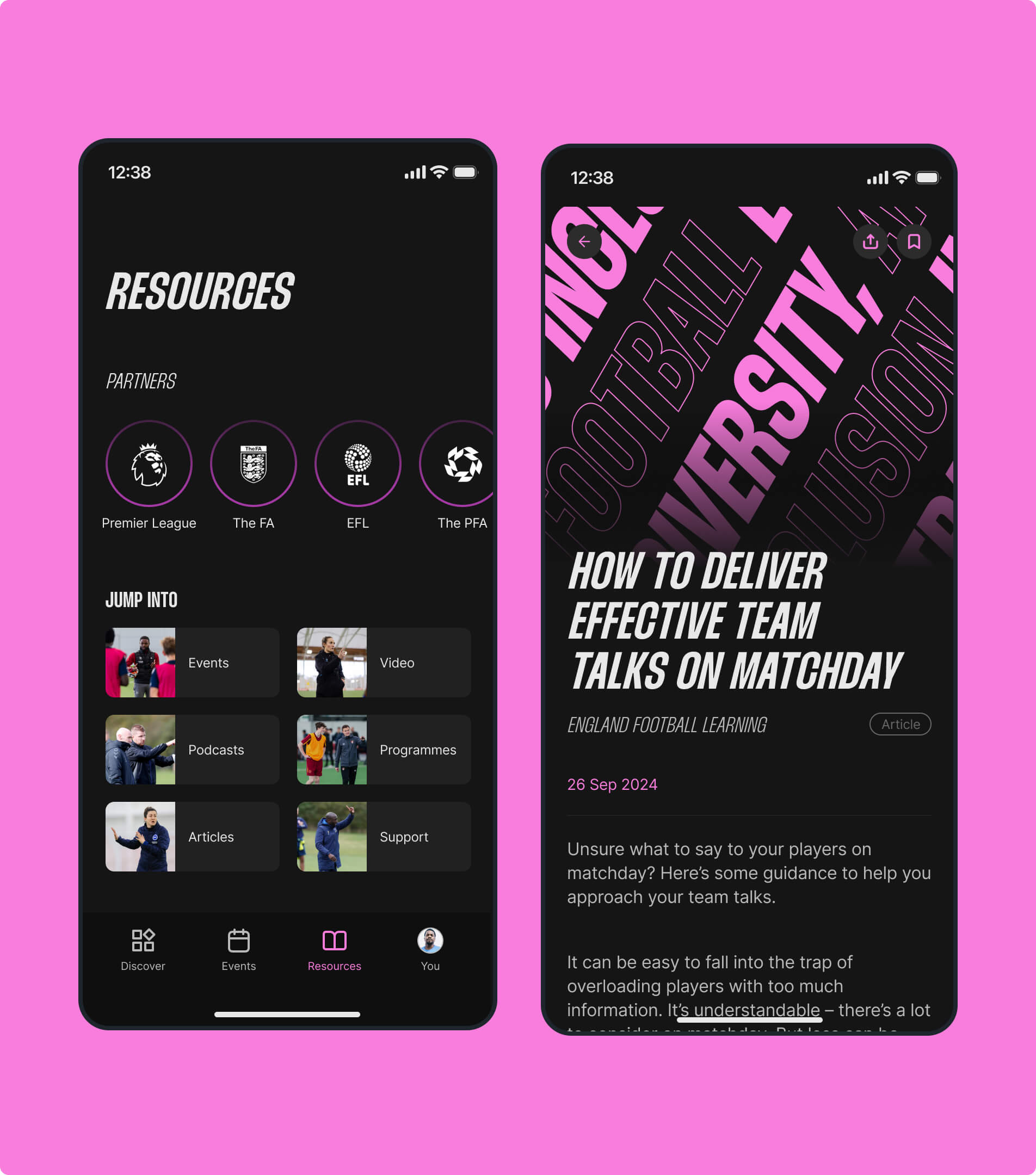
More Effective Search & Discovery – By structuring content around real-world coaching needs, users could more easily find relevant career progression paths.
A Scalable System Model for Future Growth – The OOUX approach ensured that new features (e.g., mentorship and networking tools) could seamlessly integrate into the existing framework without breaking usability.
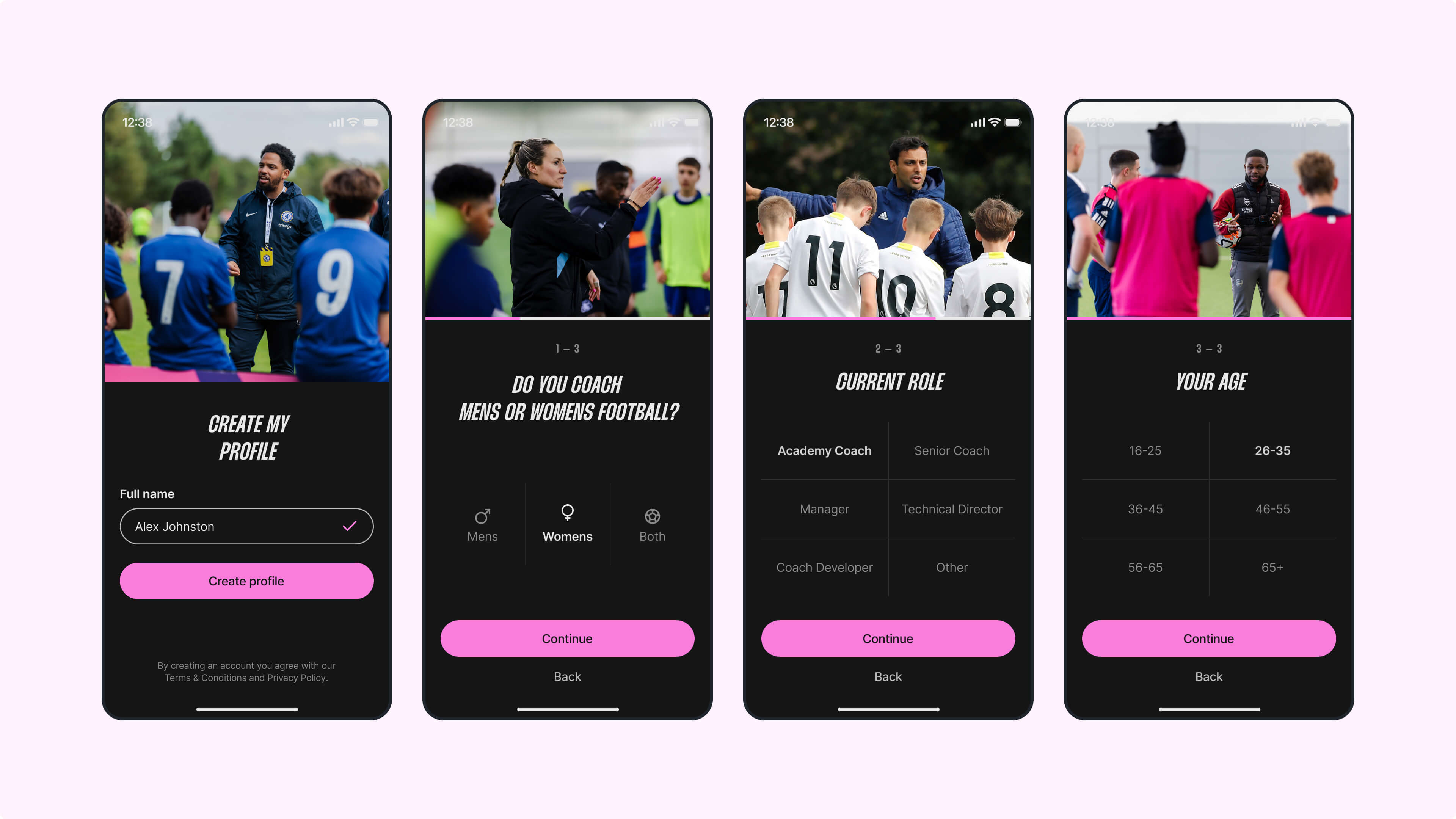
Solution: A simplified, structured, and intuitive coaching platform
A New Object-Based Information Architecture – Instead of forcing coaches into a predefined navigation, the app was built around key objects (e.g. Plan, Goal, Action, Reflection).
Improved Content Relationships – Training programs, career milestones, and personal development plans were logically linked, ensuring intuitive, contextual content navigation.
More Effective Search & Discovery – By structuring content around real-world coaching needs, users could more easily find relevant career progression paths.
A Scalable System Model for Future Growth – The OOUX approach ensured that new features (e.g., mentorship and networking tools) could seamlessly integrate into the existing framework without breaking usability.




Impact & Outcomes: How OOUX improved UX and stakeholder alignment
Improved usability – Coaches found the app easier to navigate, with clearer content relationships reducing friction.
Stronger stakeholder alignment – The OOUX process helped design, development, and product teams speak the same language, reducing iteration cycles.
Scalable UX architecture – The app now provides a solid foundation for future features and initiatives.
Cross-functional collaboration improved – Developers embraced the OOUX approach, as its object-based thinking aligned well with their database and API structures.
Impact & Outcomes: How OOUX improved UX and stakeholder alignment
Improved usability – Coaches found the app easier to navigate, with clearer content relationships reducing friction.
Stronger stakeholder alignment – The OOUX process helped design, development, and product teams speak the same language, reducing iteration cycles.
Scalable UX architecture – The app now provides a solid foundation for future features and initiatives.
Cross-functional collaboration improved – Developers embraced the OOUX approach, as its object-based thinking aligned well with their database and API structures.


Reflection & Learnings: Evangelising OOUX & UX Leadership Growth
Evangelising OOUX requires adaptation – Developers embraced it quickly due to its object-oriented principles, while designers and product managers needed more visual storytelling to see its value.
Bringing stakeholders along the journey is key – Visual demonstrations of UX pitfalls (e.g., Objects that Mask, Isolate, Break, and Shape-shift) helped drive buy-in.
UX strategy should always consider scalability – The object-first approach meant the app was future-proofed for new features without compromising usability.
Methodology can be a leadership tool, not just a design one – OOUX gave teams a shared language to wrangle complexity, enabling faster decisions and stronger cross-functional alignment.
Next Steps:
Next Steps:
Scaling OOUX adoption – Based on this project’s success, I’ve introduced OOUX into other projects at Kyan.
Enhancing personalisation & AI-driven recommendations – Structuring data effectively through OOUX sets the stage for future AI-based career recommendations for coaches.
Continuous UX improvements – As adoption grows, ongoing user testing and refinements will further enhance the Pro Coach App experience.
Final Thoughts
The Premier League project reinforced the impact of structured, object-based UX thinking. OOUX bridges the gap between UX, product, and engineering to ensure a scalable, intuitive user experience. This experience further solidified my advocacy for OOUX, a methodology I now apply across multiple projects to simplify complexity and drive UX clarity.
Final Thoughts
The Premier League project reinforced the impact of structured, object-based UX thinking. OOUX bridges the gap between UX, product, and engineering to ensure a scalable, intuitive user experience. This experience further solidified my advocacy for OOUX, a methodology I now apply across multiple projects to simplify complexity and drive UX clarity.
Reflection & Learnings: Evangelising OOUX & UX Leadership Growth
Evangelising OOUX requires adaptation – Developers embraced it quickly due to its object-oriented principles, while designers and product managers needed more visual storytelling to see its value.
Bringing stakeholders along the journey is key – Visual demonstrations of UX pitfalls (e.g., Objects that Mask, Isolate, Break, and Shape-shift) helped drive buy-in.
UX strategy should always consider scalability – The object-first approach meant the app was future-proofed for new features without compromising usability.
Methodology can be a leadership tool, not just a design one – OOUX gave teams a shared language to wrangle complexity, enabling faster decisions and stronger cross-functional alignment.
Next Steps:
Scaling OOUX adoption – Based on this project’s success, I’ve introduced OOUX into other projects at Kyan.
Enhancing personalisation & AI-driven recommendations – Structuring data effectively through OOUX sets the stage for future AI-based career recommendations for coaches.
Continuous UX improvements – As adoption grows, ongoing user testing and refinements will further enhance the Pro Coach App experience.
Final Thoughts
The Premier League project reinforced the impact of structured, object-based UX thinking. OOUX bridges the gap between UX, product, and engineering to ensure a scalable, intuitive user experience. This experience further solidified my advocacy for OOUX, a methodology I now apply across multiple projects to simplify complexity and drive UX clarity.