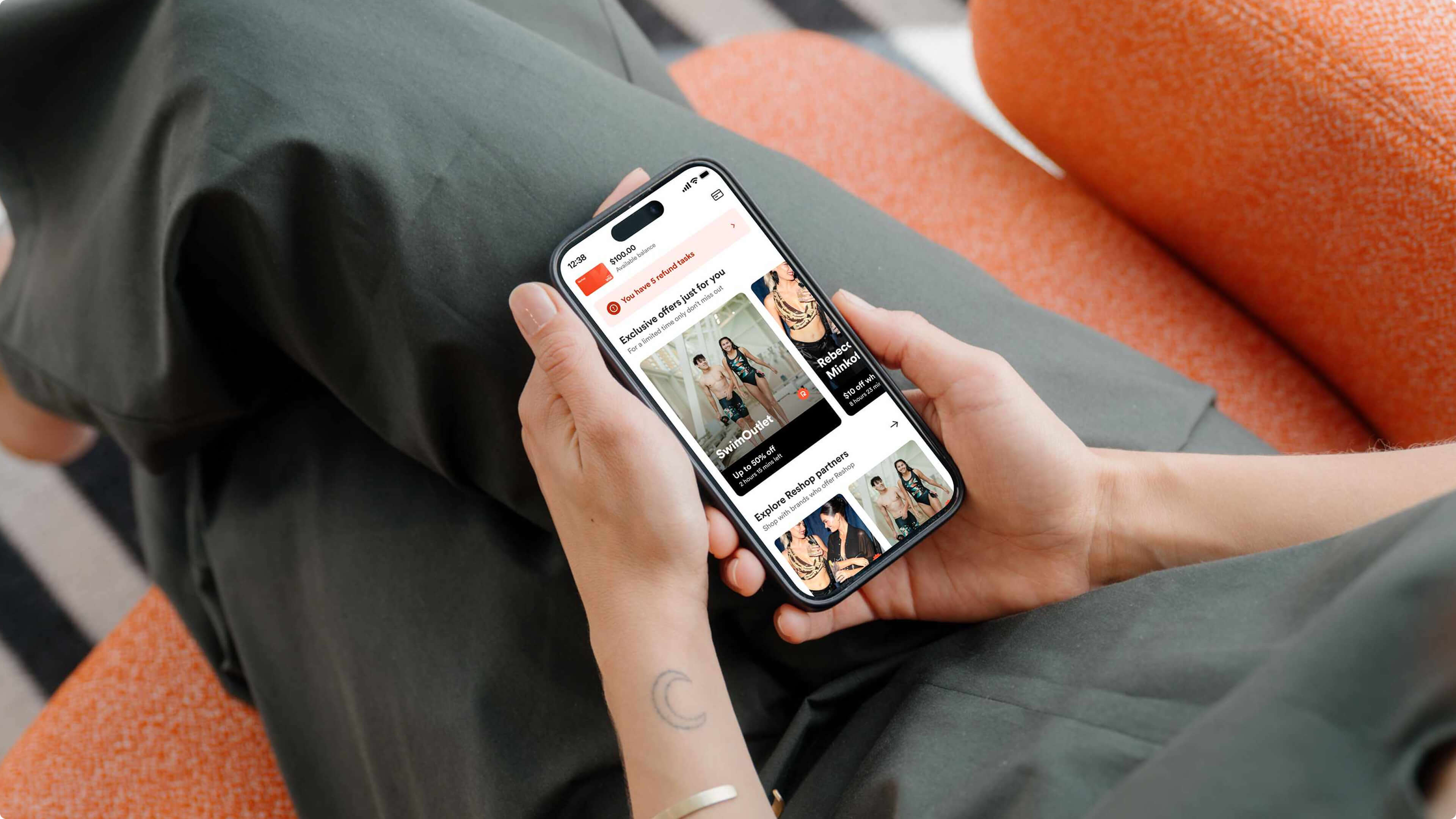


Reshop
Mobile App & Web Platform
How I led UX to validate a retail return economy MVP and secure VC funding through research-driven design
©
2024
Challenge: Building trust in instant refunds & launching a scalable Minimal Viable Product (MVP)
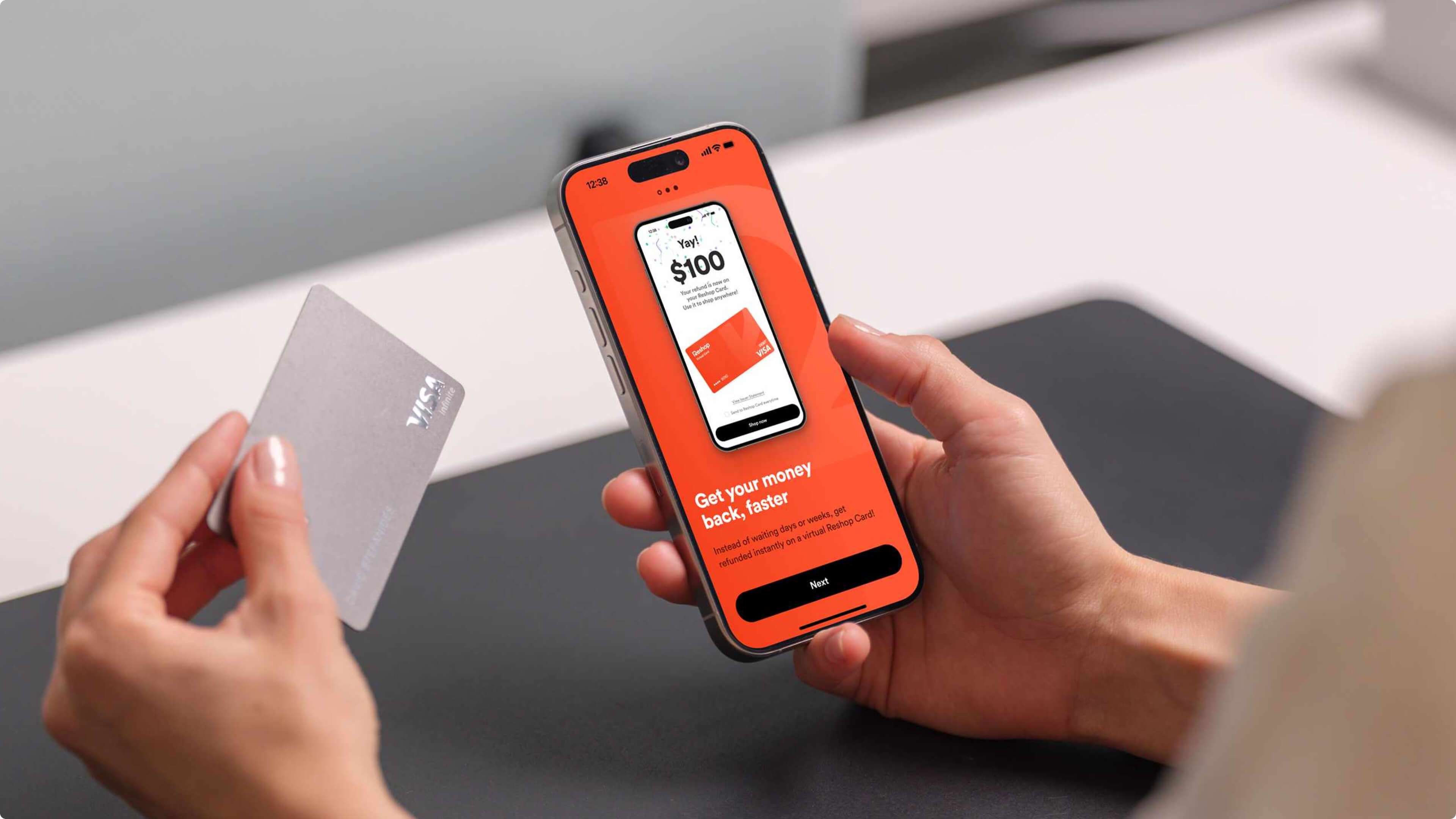
Reshop set out to revolutionise the retail return process by offering instant refunds and a re-shopping economy that allowed customers to exchange returns for store credit or immediate refunds. However, the business faced several critical challenges in launching its MVP:
Building consumer trust – Users were sceptical about “instant refunds,” fearing hidden fees or restrictions.
Driving merchant adoption – Reshop could only be used if retailers partnered with them, limiting initial consumer adoption.
Scaling an MVP quickly – The app needed to go live fast, requiring pragmatic UX decisions that balanced business goals with user needs.
Navigating a distributed team – The team was split across three time zones: New York, San Francisco, and Australia, making alignment and collaboration essential.
Additionally, the startup’s product-centric mindset meant early UX efforts focused on execution rather than user validation. I had to shift the approach toward research-backed decisions to ensure a seamless, scalable, and user-friendly product.

Challenge: Building trust in instant refunds & launching a scalable Minimal Viable Product (MVP)
Reshop set out to revolutionise the retail return process by offering instant refunds and a re-shopping economy that allowed customers to exchange returns for store credit or immediate refunds. However, the business faced several critical challenges in launching its MVP:
Building consumer trust – Users were sceptical about “instant refunds,” fearing hidden fees or restrictions.
Driving merchant adoption – Reshop could only be used if retailers partnered with them, limiting initial consumer adoption.
Scaling an MVP quickly – The app needed to go live fast, requiring pragmatic UX decisions that balanced business goals with user needs.
Navigating a distributed team – The team was split across three time zones: New York, San Francisco, and Australia, making alignment and collaboration essential.
Additionally, the startup’s product-centric mindset meant early UX efforts focused on execution rather than user validation. I had to shift the approach toward research-backed decisions to ensure a seamless, scalable, and user-friendly product.

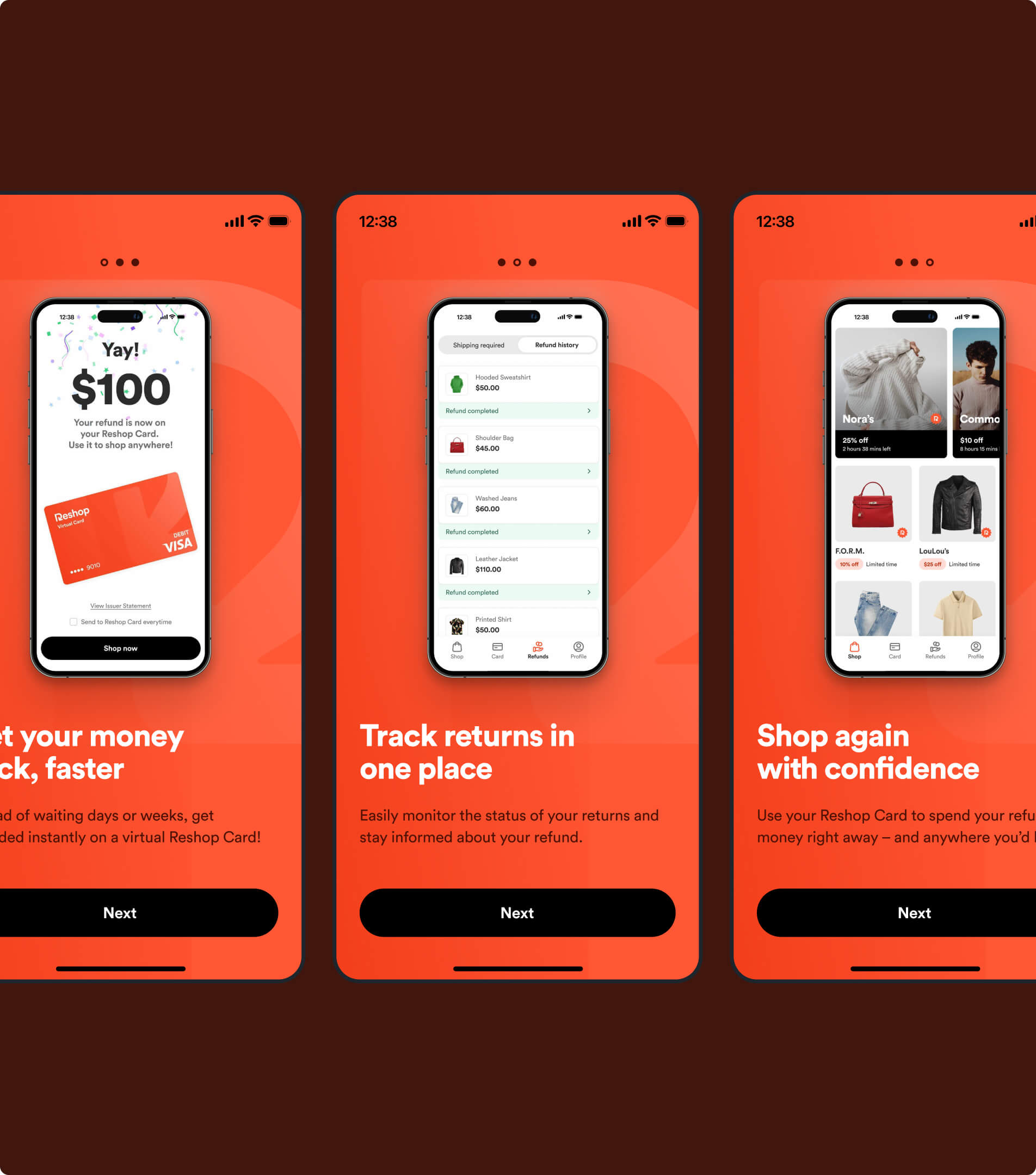
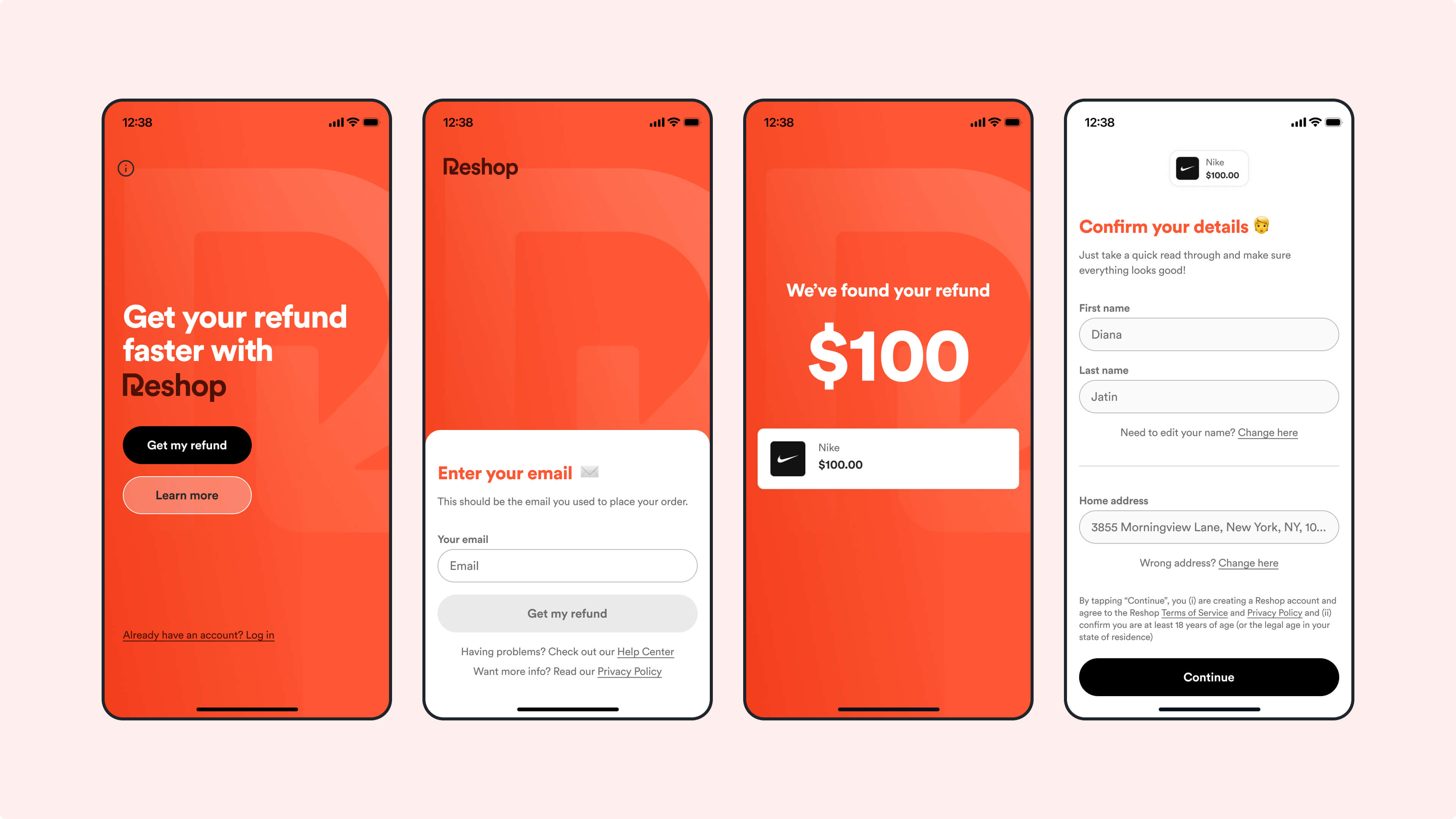
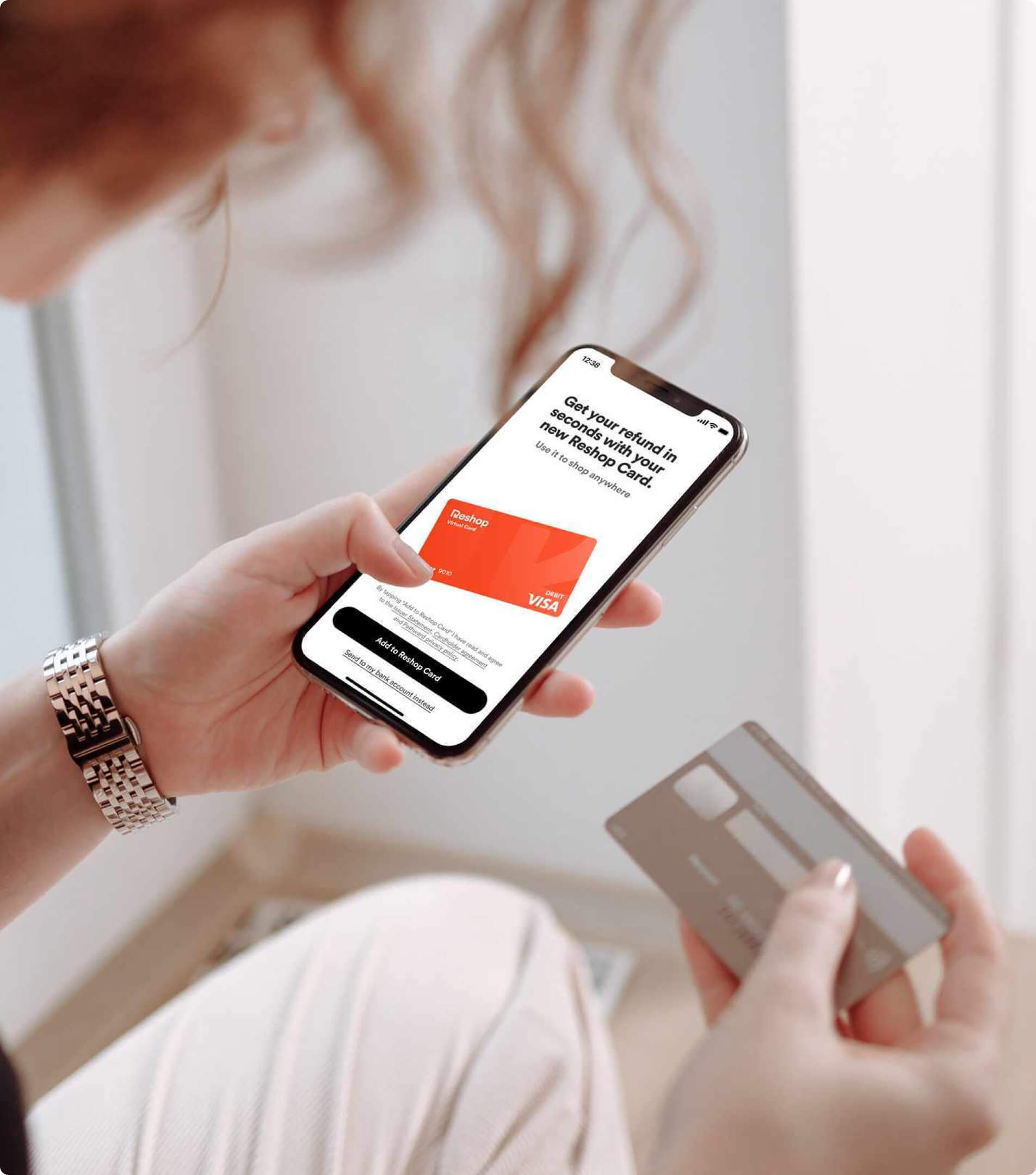



Role & Approach: UX Leadership, Research, and Product Alignment
I played a key role in shaping the UX strategy, aligning business goals with user needs, and ensuring design execution was research-driven. My key contributions included:
Leading UX strategy & execution – Redefined early designs into a validated, user-centred MVP.
Driving research-backed decision-making – Shifted the company’s approach from feature-driven design to user-driven insights.
Balancing shopper vs. retailer needs – Designed a seamless consumer experience while ensuring retailers could onboard efficiently.
Navigating business constraints – Pragmatically prioritised features that aligned with startup constraints (time, budget, and tech feasibility)
Cross-functional collaboration – Worked closely with the Head of Experience & Brand Strategy, Product Manager, and distributed development teams to align UX with business strategy.
Role & Approach: UX Leadership, Research, and Product Alignment
I played a key role in shaping the UX strategy, aligning business goals with user needs, and ensuring design execution was research-driven. My key contributions included:
Leading UX strategy & execution – Redefined early designs into a validated, user-centred MVP.
Driving research-backed decision-making – Shifted the company’s approach from feature-driven design to user-driven insights.
Balancing shopper vs. retailer needs – Designed a seamless consumer experience while ensuring retailers could onboard efficiently.
Navigating business constraints – Pragmatically prioritised features that aligned with startup constraints (time, budget, and tech feasibility)
Cross-functional collaboration – Worked closely with the Head of Experience & Brand Strategy, Product Manager, and distributed development teams to align UX with business strategy.


Key Insights & Decisions: What the research revealed
Through research and usability testing, we uncovered several key insights that challenged business assumptions and reshaped the product strategy:
Distrust in Instant Refunds – Users were sceptical of “instant refunds”, fearing hidden fees or restrictions. We had to reposition refund messaging to focus on clarity, transparency, and trust signals.
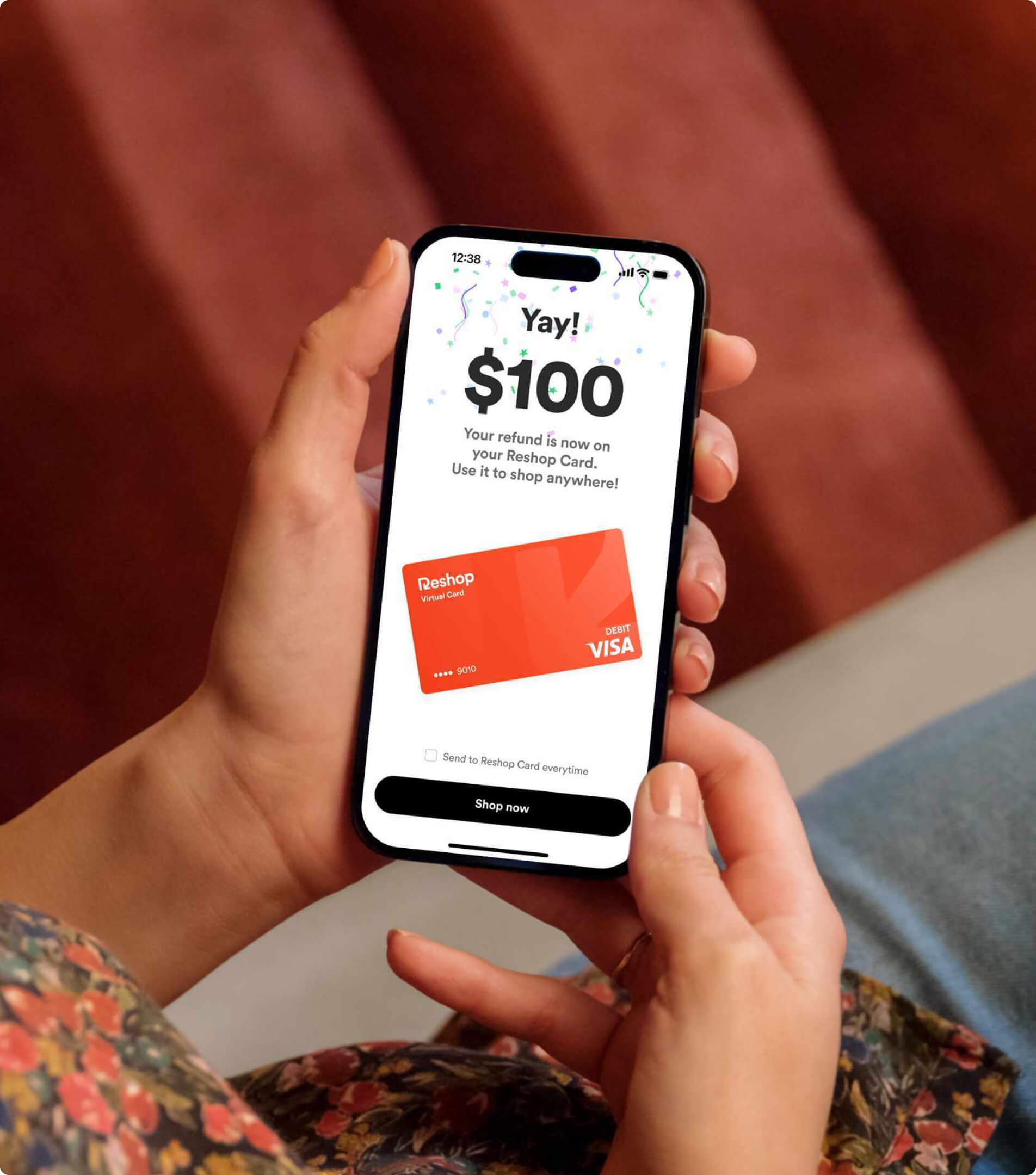
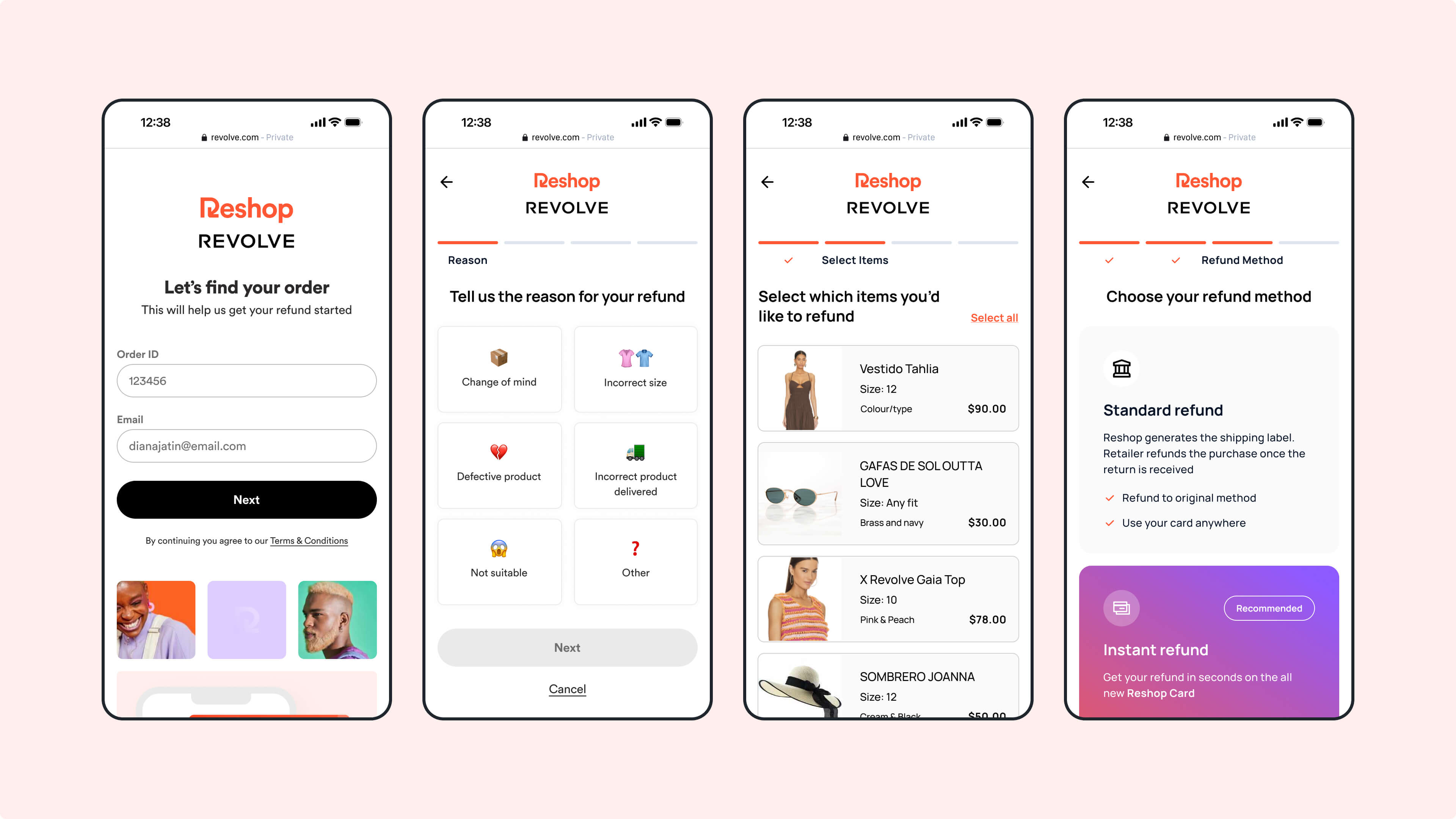
Misplaced Assumption About the Reshop Card – The business initially positioned the Reshop Card as a key feature. However, research showed that users preferred refunds sent directly to their original payment method. This led to repositioning the card as an optional feature rather than the default refund method.
Retailer-Dependent Onboarding Created Barriers – Unlike other payment and refund solutions, users couldn’t simply download Reshop and start using it; they had to encounter it via a partnered retailer’s website. This limited initial adoption, meaning merchant engagement became critical to success.
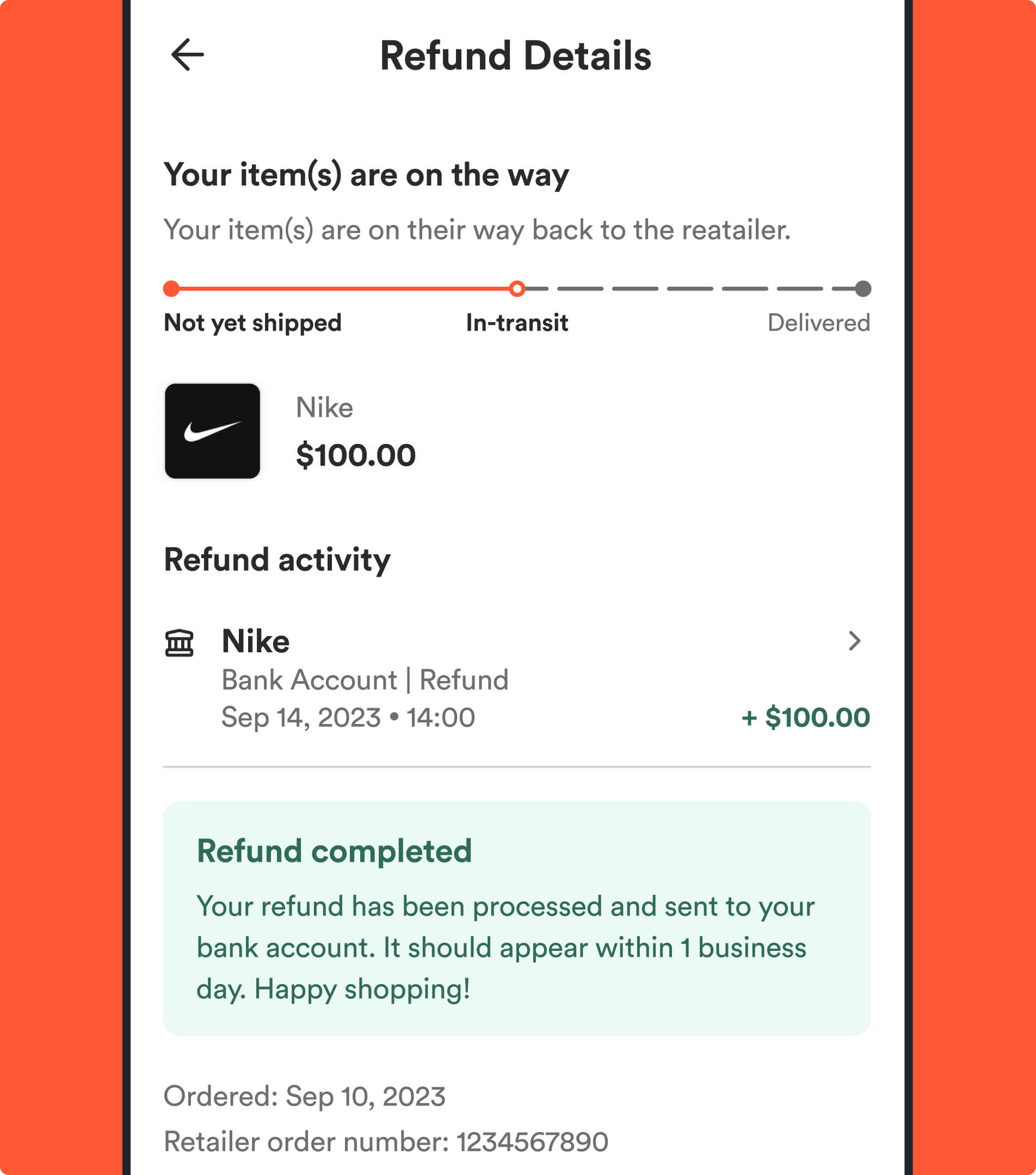
Confusing Refund Process – Users were uncertain about where their money would go and needed clearer refund flows to reduce drop-off. This led to an emphasis on simplified UX flows and explanatory microcopy.
Navigating Trade-Offs & Constraints:
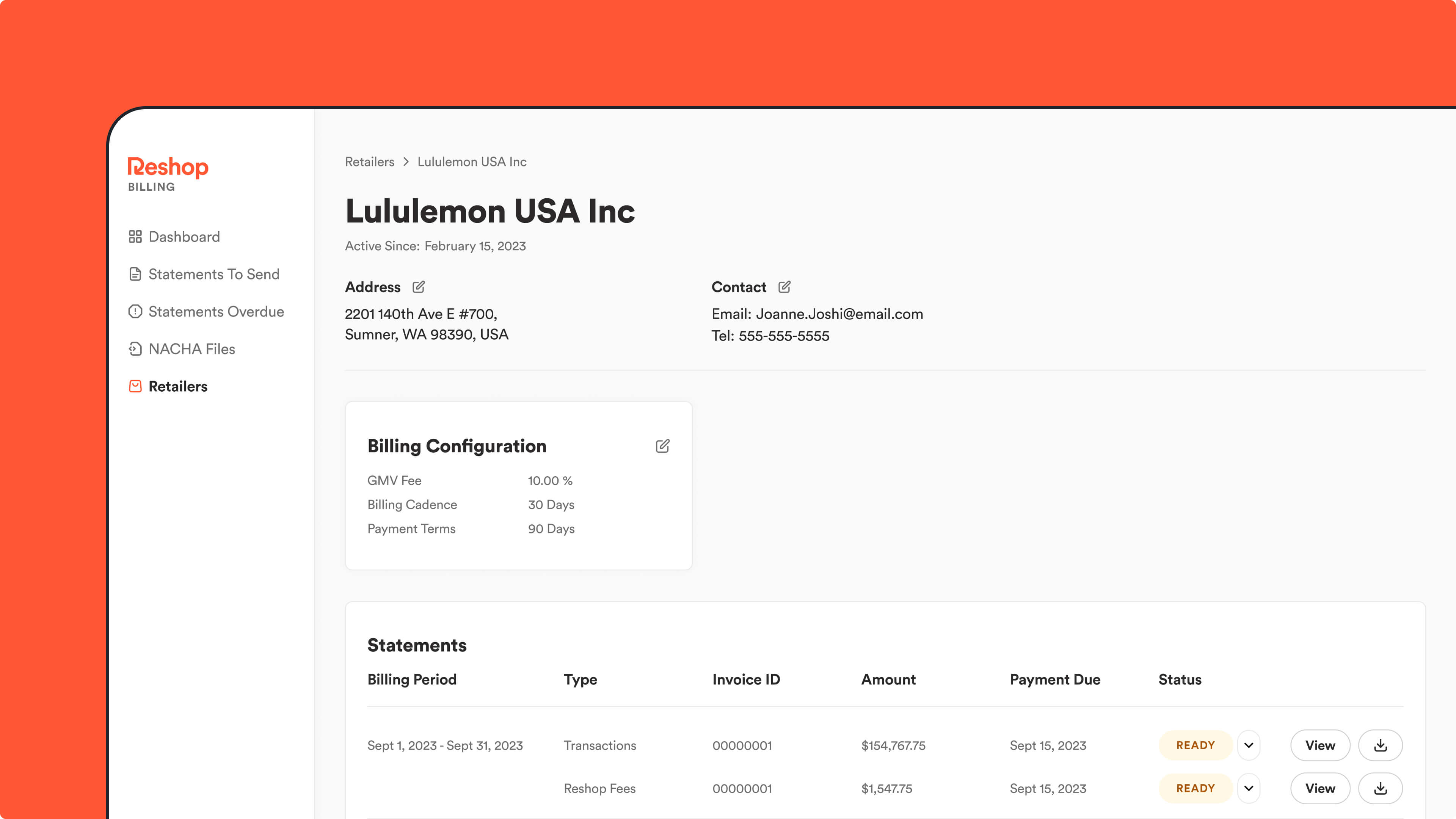
Merchant Control vs. Shopper Flexibility – Initially, Reshop managed retailer onboarding manually, as building a self-serve merchant portal was deprioritised for the MVP. This meant a higher operational burden for Reshop, but it was the most pragmatic way to launch quickly.
Feature Prioritisation for Business Viability – The business wanted a direct-to-consumer refund journey, but due to technical and business constraints, we had to limit usage to retailer-integrated returns only. This trade-off ensured faster adoption but required long-term roadmap adjustments.
Startup Pacing & Lean UX – With a constantly evolving product vision and fast-moving teams, maintaining UX stability was a challenge. I established clearer collaboration processes and planning sessions to ensure alignment across time zones.
Key Insights & Decisions: What the research revealed
Through research and usability testing, we uncovered several key insights that challenged business assumptions and reshaped the product strategy:
Distrust in Instant Refunds – Users were sceptical of “instant refunds”, fearing hidden fees or restrictions. We had to reposition refund messaging to focus on clarity, transparency, and trust signals.
Misplaced Assumption About the Reshop Card – The business initially positioned the Reshop Card as a key feature. However, research showed that users preferred refunds sent directly to their original payment method. This led to repositioning the card as an optional feature rather than the default refund method.
Retailer-Dependent Onboarding Created Barriers – Unlike other payment and refund solutions, users couldn’t simply download Reshop and start using it; they had to encounter it via a partnered retailer’s website. This limited initial adoption, meaning merchant engagement became critical to success.
Confusing Refund Process – Users were uncertain about where their money would go and needed clearer refund flows to reduce drop-off. This led to an emphasis on simplified UX flows and explanatory microcopy.
Navigating Trade-Offs & Constraints:
Merchant Control vs. Shopper Flexibility – Initially, Reshop managed retailer onboarding manually, as building a self-serve merchant portal was deprioritised for the MVP. This meant a higher operational burden for Reshop, but it was the most pragmatic way to launch quickly.
Feature Prioritisation for Business Viability – The business wanted a direct-to-consumer refund journey, but due to technical and business constraints, we had to limit usage to retailer-integrated returns only. This trade-off ensured faster adoption but required long-term roadmap adjustments.
Startup Pacing & Lean UX – With a constantly evolving product vision and fast-moving teams, maintaining UX stability was a challenge. I established clearer collaboration processes and planning sessions to ensure alignment across time zones.


Solution: A UX-Driven approach to improving Reshop
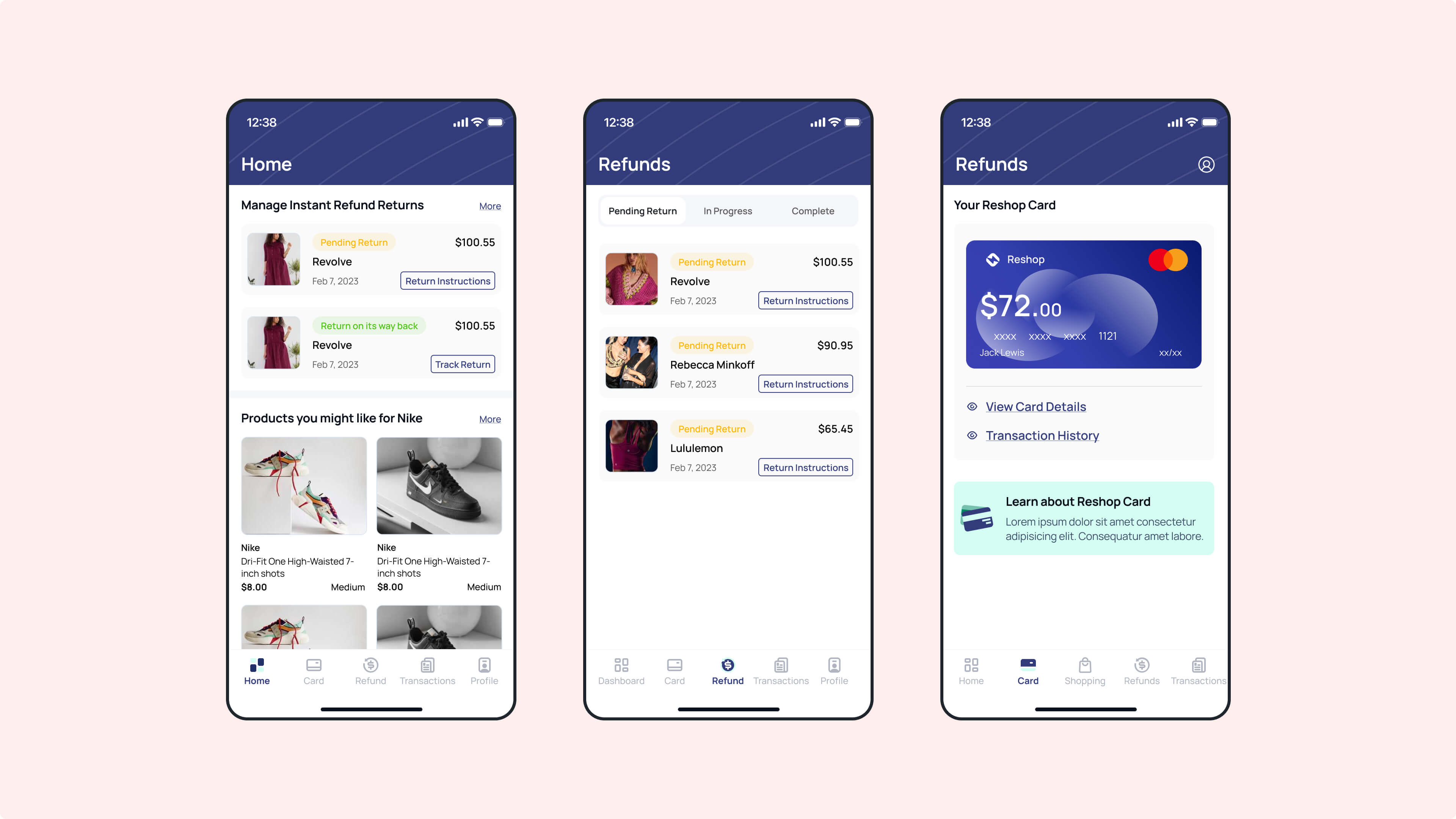
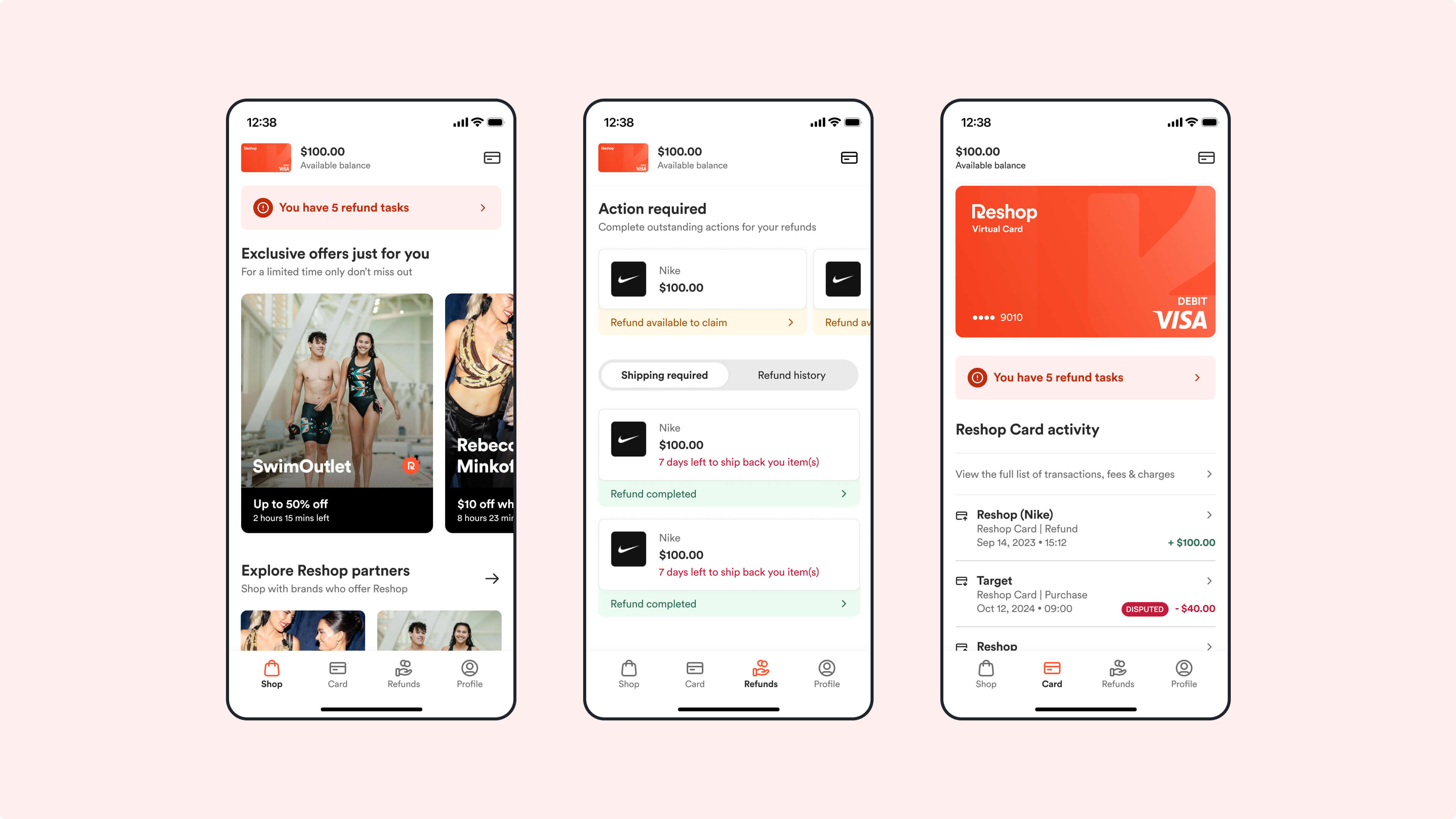
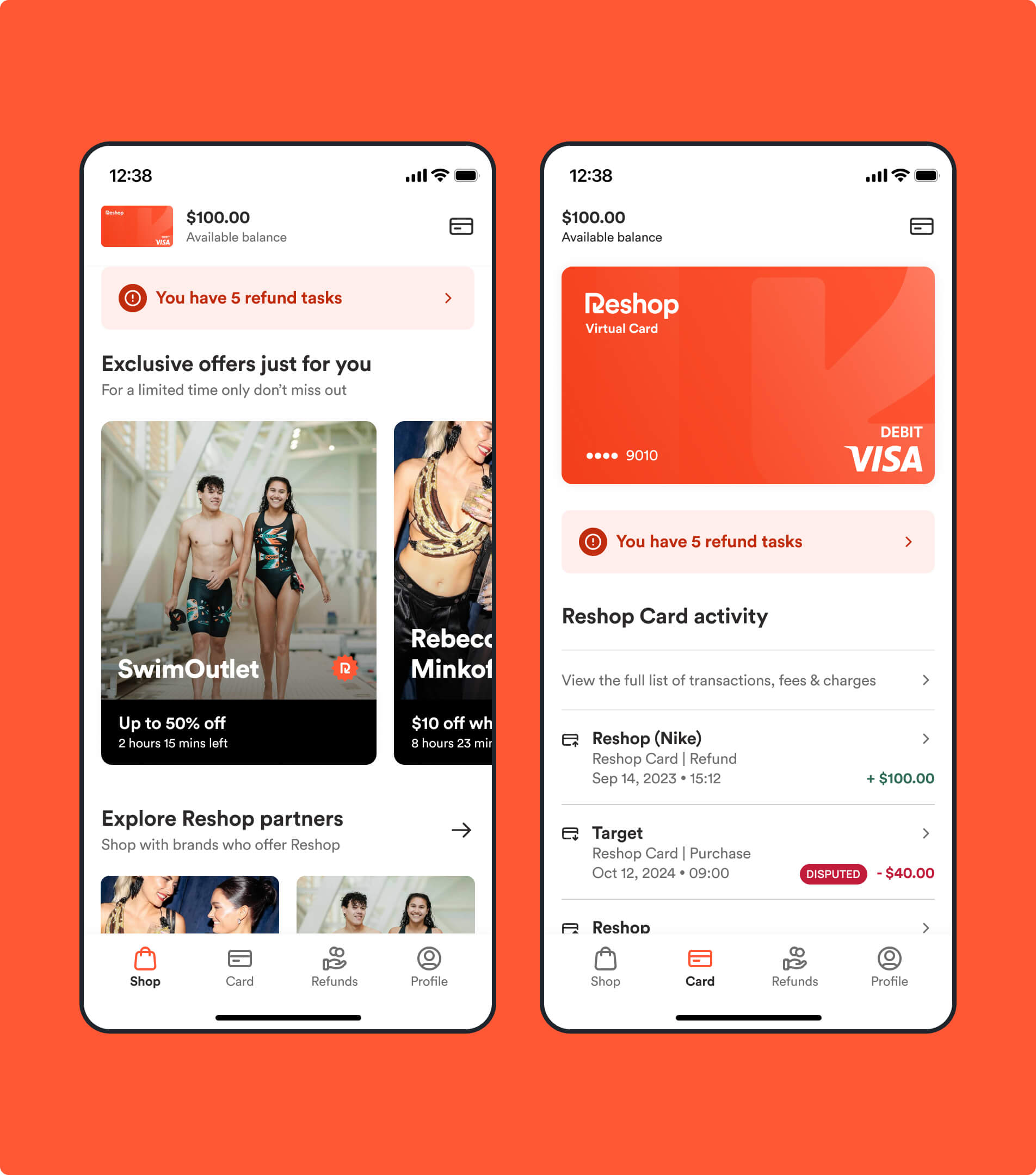
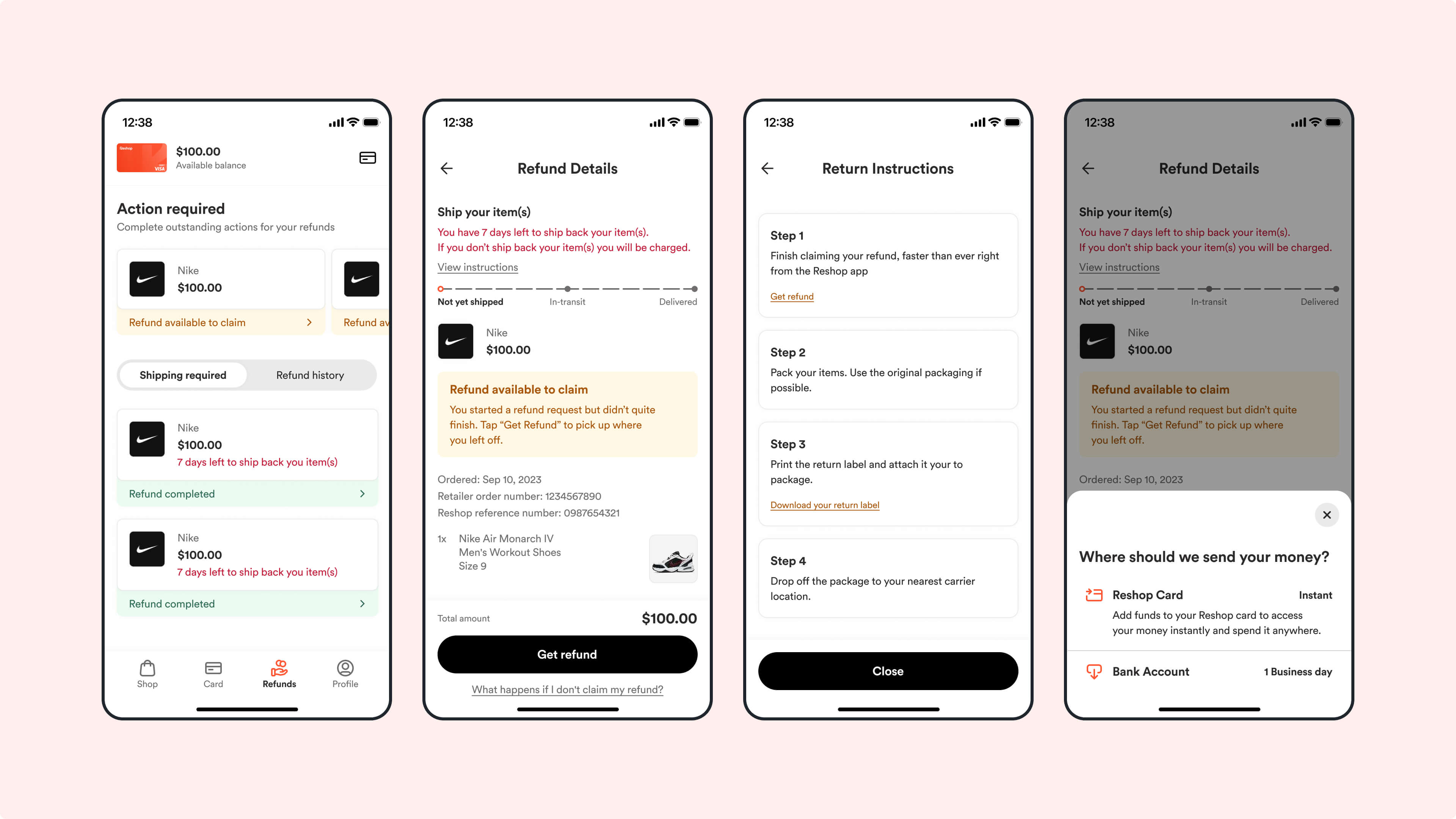
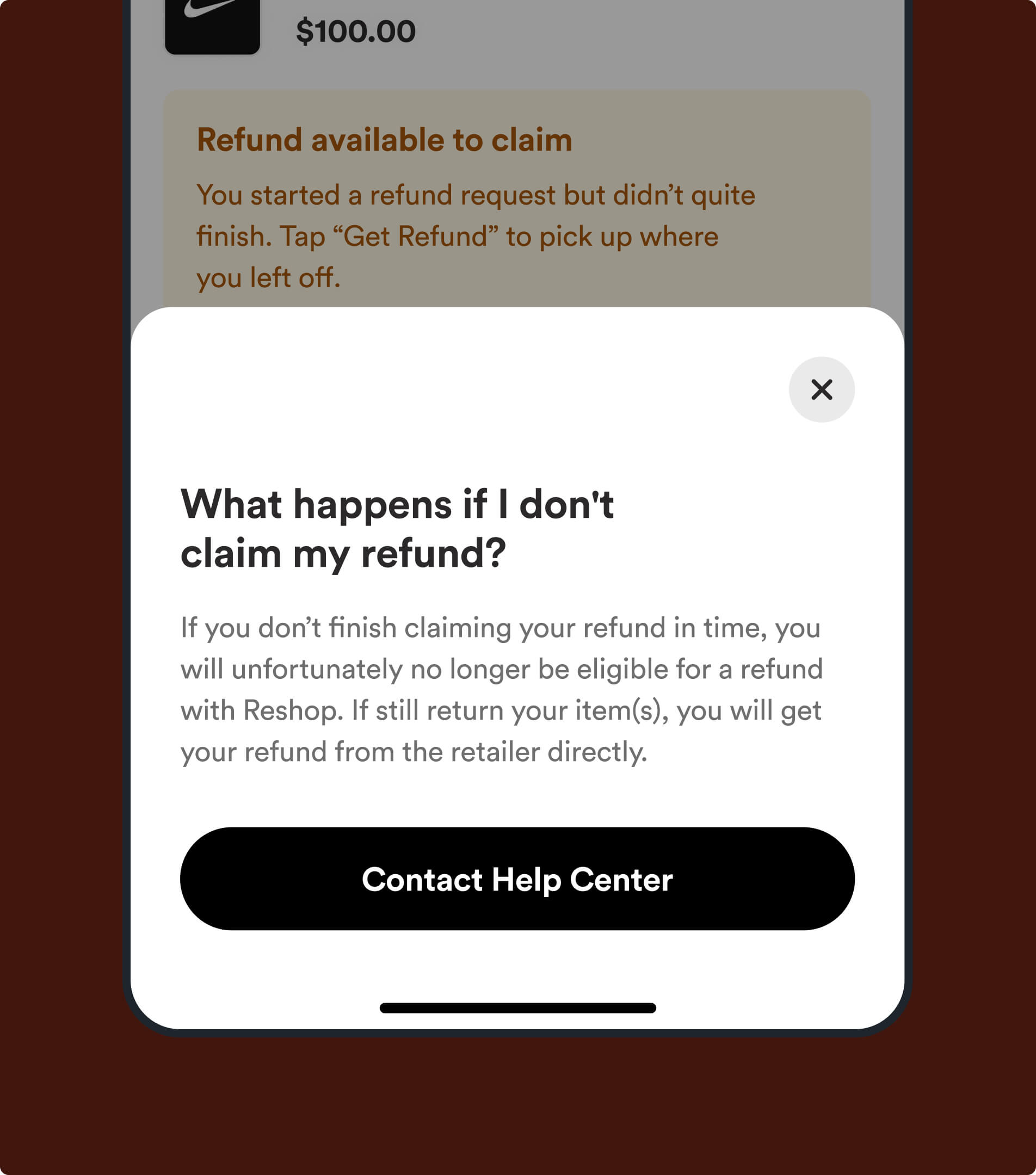
Simplified Refund Messaging & Trust Signals – Clearly explained how refunds worked within the refund flow. Used familiar UI patterns and transparent language to build trust.
Flexible Refund Options – Shifted from a Reshop Card-first model to user choice, allowing refunds directly to original payment methods.
Retailer-Integrated Return Flow – Optimised onboarding flows to help retailers integrate Reshop with minimal effort. Created a phased approach where self-service merchant tools would launch post-MVP to reduce initial complexity.
Cross-Team UX Advocacy & Product Alignment – Worked closely with leadership and development teams to ensure design decisions aligned with business feasibility, advised on prioritisation strategies, balancing speed-to-market with long-term UX success.
Solution: A UX-Driven approach to improving Reshop
Simplified Refund Messaging & Trust Signals – Clearly explained how refunds worked within the refund flow. Used familiar UI patterns and transparent language to build trust.
Flexible Refund Options – Shifted from a Reshop Card-first model to user choice, allowing refunds directly to original payment methods.
Retailer-Integrated Return Flow – Optimised onboarding flows to help retailers integrate Reshop with minimal effort. Created a phased approach where self-service merchant tools would launch post-MVP to reduce initial complexity.
Cross-Team UX Advocacy & Product Alignment – Worked closely with leadership and development teams to ensure design decisions aligned with business feasibility, advised on prioritisation strategies, balancing speed-to-market with long-term UX success.

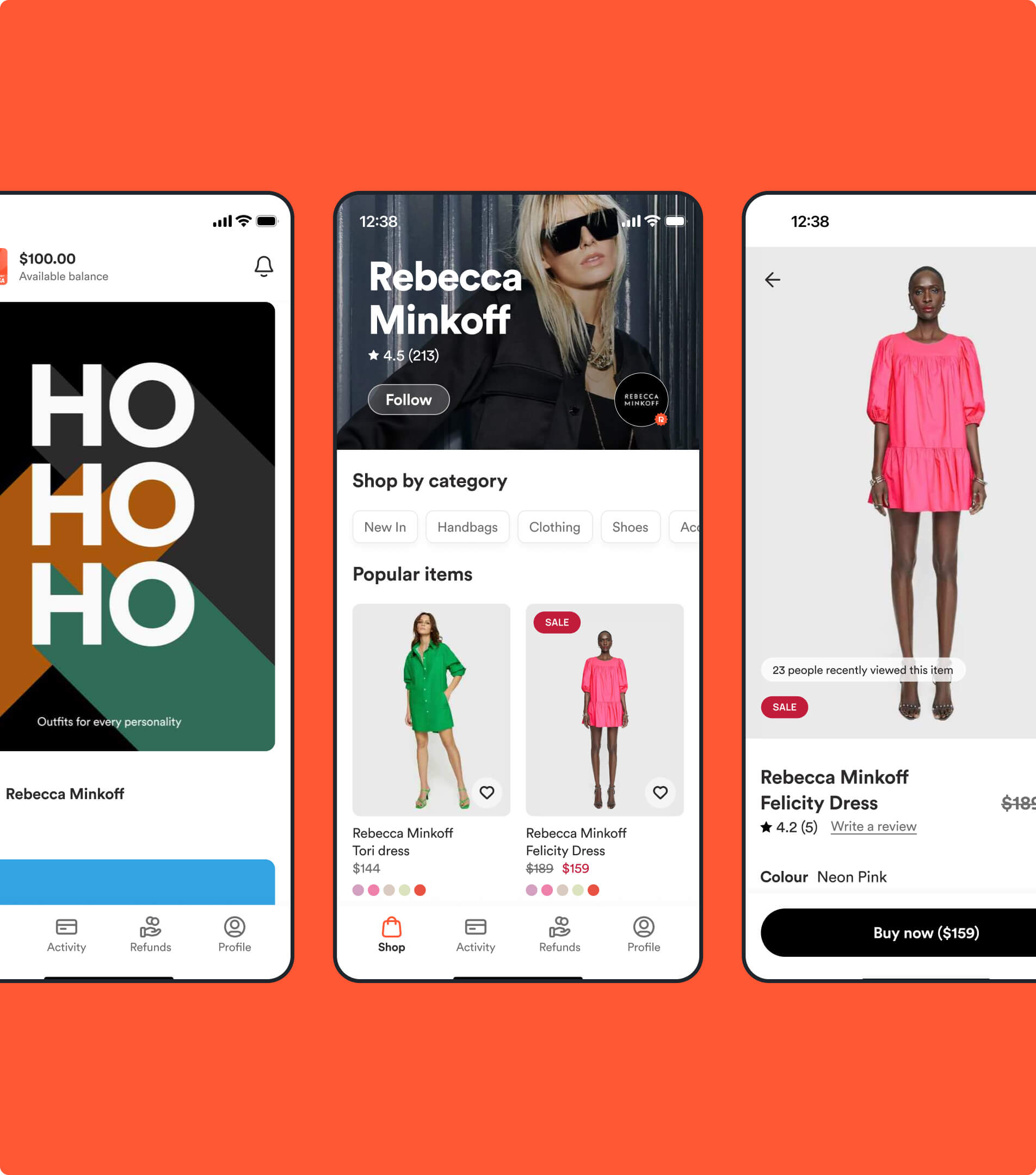


Impact & Outcomes: Business and User Success
Enabled Reshop to Secure Additional Venture Capital (VC) Funding – The clarity of the UX and strategic approach helped investors gain confidence in the business model.
Successfully Launched MVP – Delivered a scalable, research-backed UX within tight deadlines.
Refined Monetisation Strategy – UX research challenged business assumptions, leading to a more user-centric approach to refunds and incentives.
Positioned Reshop for Future Expansion – Created a UX roadmap that outlined post-MVP enhancements, including self-serve merchant tools and direct-to-consumer refund initiation.
Additionally, my involvement helped shift Reshop from a product-centric to a user-centric mindset, improving how UX was perceived and integrated into business decisions.
Impact & Outcomes: Business and User Success
Enabled Reshop to Secure Additional Venture Capital (VC) Funding – The clarity of the UX and strategic approach helped investors gain confidence in the business model.
Successfully Launched MVP – Delivered a scalable, research-backed UX within tight deadlines.
Refined Monetisation Strategy – UX research challenged business assumptions, leading to a more user-centric approach to refunds and incentives.
Positioned Reshop for Future Expansion – Created a UX roadmap that outlined post-MVP enhancements, including self-serve merchant tools and direct-to-consumer refund initiation.
Additionally, my involvement helped shift Reshop from a product-centric to a user-centric mindset, improving how UX was perceived and integrated into business decisions.


Reflection & Learnings: Growth as a UX Leader
UX in a Startup Requires Constant Adaptation – Reshop had rapidly shifting priorities, requiring strong stakeholder relationships and agility to maintain focus.
Business Assumptions Need User Validation – Features like the Reshop Card seemed great in theory but needed research to reveal what users actually valued.
Cross-functional Collaboration is Key – Working across three time zones taught me the importance of proactive communication and joining planning sessions early to prevent misalignment.
If I Could Redo One Thing? – I would apply the OOUX ORCA Framework from the start to better map complex relationships and prioritise user needs faster.
Next Steps:
Next Steps:
Post-MVP Enhancements – Rolling out self-serve merchant tools, expanding refund options, and increasing direct consumer adoption.
Continued UX Research & Iteration – Future rounds of usability testing to optimise merchant and shopper experiences based on real-world feedback.
Establishing a clearer object model foundation – Introducing a more structured, object-oriented approach to support long-term scalability and reduce future UX and development complexity.
Final Thoughts
Reshop was an exciting opportunity to shape a product from an early concept to a fully designed MVP. This project reinforced my ability to lead UX in high-paced startup environments, challenge assumptions with research, and align business strategy with user needs.
Final Thoughts
Reshop was an exciting opportunity to shape a product from an early concept to a fully designed MVP. This project reinforced my ability to lead UX in high-paced startup environments, challenge assumptions with research, and align business strategy with user needs.
Reflection & Learnings: Growth as a UX Leader
UX in a Startup Requires Constant Adaptation – Reshop had rapidly shifting priorities, requiring strong stakeholder relationships and agility to maintain focus.
Business Assumptions Need User Validation – Features like the Reshop Card seemed great in theory but needed research to reveal what users actually valued.
Cross-functional Collaboration is Key – Working across three time zones taught me the importance of proactive communication and joining planning sessions early to prevent misalignment.
If I Could Redo One Thing? – I would apply the OOUX ORCA Framework from the start to better map complex relationships and prioritise user needs faster.
Next Steps:
Post-MVP Enhancements – Rolling out self-serve merchant tools, expanding refund options, and increasing direct consumer adoption.
Continued UX Research & Iteration – Future rounds of usability testing to optimise merchant and shopper experiences based on real-world feedback.
Establishing a clearer object model foundation – Introducing a more structured, object-oriented approach to support long-term scalability and reduce future UX and development complexity.
Final Thoughts
Reshop was an exciting opportunity to shape a product from an early concept to a fully designed MVP. This project reinforced my ability to lead UX in high-paced startup environments, challenge assumptions with research, and align business strategy with user needs.